
Desserts
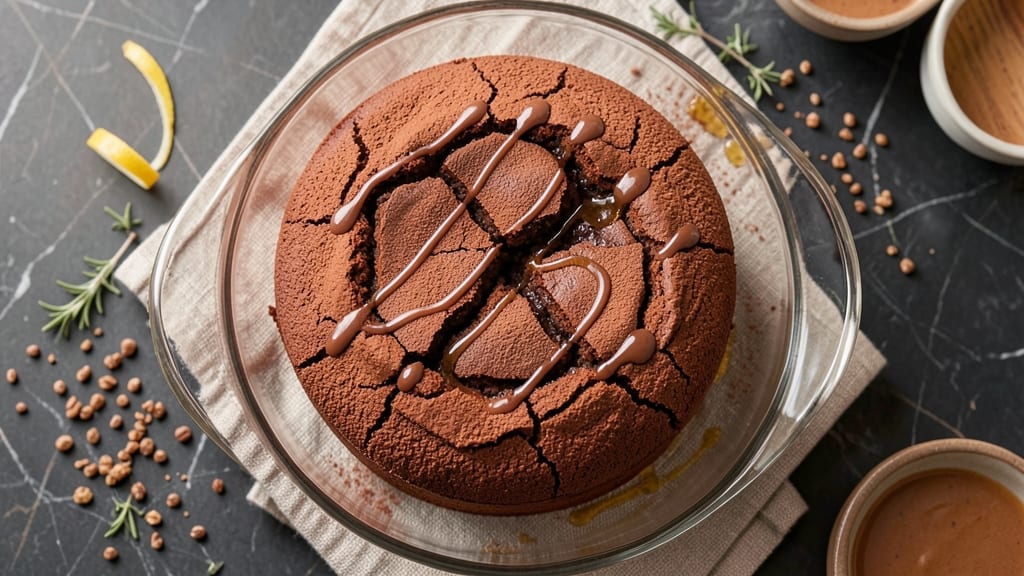
This buckwheat chocolate cake delivers a rich, earthy depth that transforms traditional chocolate cake into something extraordinary. The nutty flavor of buckwheat flour creates a dense, moist crumb that pairs perfectly with vegan chocolate, while a simple fudgy layer adds indulgence without dairy.
I developed this recipe after years of experimenting with plant-based baking, and it's become my go-to for gatherings where dietary restrictions shouldn't limit dessert options.
The key to success lies in the substitution of flax eggs and coconut oil, which create the perfect texture without compromising moisture or flavor. Buckwheat flour adds a subtle nuttiness that complements the chocolate beautifully, while a touch of espresso powder deepens the chocolate notes for a sophisticated taste.
This cake rises just enough to create a tender crumb while maintaining that signature dense quality that makes buckwheat baking so special.
What you'll end up with is a decadent vegan chocolate cake with layers of fudgy richness and earthy complexity. The exterior has a perfect golden-brown crust, while the interior remains moist and velvety, with pockets of melted chocolate throughout.
It's the kind of dessert that impresses even the most skeptical chocolate lovers while staying completely plant-based.
Serve with a dusting of cocoa powder and fresh berries for a stunning presentation, or pair with vegan ice cream for an extra indulgent experience. This recipe scales beautifully for parties, and the leftovers keep well for days, making it perfect for meal prep or special occasions. Let's get baking!
Ingredients for buckwheat chocolate cake
Earthy buckwheat meets decadent chocolate in this plant-powered masterpiece—just 13 ingredients transform simple baking into extraordinary dessert magic.
| Ingredient | Amount | Notes |
|---|---|---|
| Buckwheat Flour 🌾 | 1 ½ cups | Lightly sifted for even texture |
| Unsweetened Cocoa Powder 🍫 | ¾ cup | High-quality Dutch-processed |
| Granulated Sugar 🍚 | 1 ¼ cups | Organic preferred for purity |
| Coconut Oil 🥥 | ¾ cup | Melted, full-fat for richness |
| Ground Flaxseed 🌱 | ½ cup | Freshly ground for flax eggs |
| Almond Milk 🥛 | 1 cup | Unsweetened, for moisture |
| Vanilla Extract 🌿 | 1 tbsp | Pure Madagascar bourbon |
| Instant Espresso Powder ☕ | 1 tbsp | For deep chocolate flavor |
| Baking Powder 🧂 | 1 tsp | Aluminum-free for vegan baking |
| Salt 🧂 | ½ tsp | Fine sea salt for balance |
| Vegan Chocolate Chips 🍫 | 1 ½ cups | 70% cacao minimum |
| Walnuts 🌰 | ½ cup | Chopped for texture contrast |
| Cocoa Powder 🍫 | 2 tbsp | For dusting layers |
Buckwheat flour is the secret weapon here—Bob's Red Mill or Anthony's Goods are my go-tos for that perfect nutty depth. The Dutch-processed cocoa powder (like Valrhona or Hershey's Special Dark) ensures rich flavor without bitterness. For the flax eggs, grind the seeds fresh in a coffee grinder—Bob's Red Mill pre-ground works too, but fresh is always better. The walnuts should be toasted lightly before chopping (5 minutes at 350°F) to enhance their nuttiness, and chopped pecans work beautifully if walnuts aren't available. The espresso powder is non-negotiable for that sophisticated chocolate depth—Starbucks Via is my pantry staple.
No buckwheat flour? Substitute with 1:1 ratio of all-purpose flour, but expect a lighter texture. Swap the coconut oil for avocado oil or melted vegan butter—just remember coconut has a natural sweetness that might need slight sugar adjustment. For the chocolate chips, Enjoy Life brand is my top pick for allergy-free baking, but any dairy-free chocolate with 70% cacao or higher works. The almond milk can be swapped for oat milk or soy milk, though almond provides the best neutral flavor. If you're short on time, pre-made vegan chocolate pudding (like Silk) can replace the fudgy layer—just adjust the liquid ratio.
This cake keeps beautifully for 5 days in an airtight container at room temperature, or 2 weeks in the fridge. For longer storage, wrap tightly in plastic and freeze for up to 3 months. The layers develop even more depth overnight, so bake it a day ahead if you can. To reheat, warm slices in a 250°F oven for 10 minutes—they'll taste like they just came out of the oven. Leftovers? Toss them in the freezer for quick breakfast treats—trust me, toasted with peanut butter is a game-changer.
Why You'll Love This Recipe
- No Mixer Needed: I swear by this—just whisk the buckwheat flour and cocoa powder with coconut oil until it’s the consistency of wet sand. No electric mixer, no fuss, and honestly? The flaxseed egg binds it so well you’ll wonder why you ever used eggs.
- Rich Without Guilt: That deep chocolate flavor from the cocoa powder and earthy buckwheat? It’s like a hug for your taste buds. The coconut oil keeps it moist without tasting greasy, and the sugar just enhances the bittersweet magic—no weird aftertaste here.
- Weeknight Magic: This cake bakes in one bowl, then slides right into the oven. No layers, no frosting, no stress. I’ve served it warm with a drizzle of honey for a quick dessert, or even sliced cold for breakfast—yes, really—when I’m running late.
- Budget-Friendly Indulgence: Buckwheat flour and cocoa powder stretch my grocery budget, and the flaxseed egg cuts costs without sacrificing texture. A single batch feeds four, and leftovers? They last days in the fridge—perfect for when I’m too tired to bake again.
Step-by-step instructions for buckwheat chocolate cake
This earthy, nutty cake delivers rich chocolate flavor with a fudgy texture—here's how to nail every layer.
Create Flax Eggs and Melt Coconut Oil
In a small bowl, whisk together the 0.5 cup ground flaxseed with the 1 cup almond milk. Let this mixture sit for 10 minutes until it thickens into a gel-like consistency—this is your flax egg substitute. Meanwhile, melt the 0.75 cup coconut oil in a microwave-safe bowl in 30-second intervals, stirring between each, until completely smooth.
The flax eggs provide the structure that traditional eggs would, while the melted coconut oil ensures a moist, tender crumb. Don't rush this step—properly thickened flax eggs make all the difference in texture. If your mixture hasn't gelled after 10 minutes, give it another minute or two.
Combine Wet Ingredients for the Batter
In a large mixing bowl, combine the melted coconut oil with the 1.25 cups granulated sugar, stirring until fully incorporated. Add the flax egg mixture, 1 tbsp vanilla extract, 1 tbsp instant espresso powder, and mix until smooth. The espresso powder deepens the chocolate flavor without adding bitterness—trust me, it's a game-changer.
Next, whisk in the 1 cup almond milk and set the bowl aside. This wet mixture should be thick but pourable. If it looks too thin, add 1-2 tablespoons more buckwheat flour later when combining with dry ingredients. The almond milk keeps the cake moist while the buckwheat flour adds that signature earthy depth.
Sift Dry Ingredients and Fold Gently
In a separate bowl, sift together the 1.5 cups buckwheat flour, 0.75 cup unsweetened cocoa powder, 1 tsp baking powder, and 0.5 tsp salt. This ensures an even distribution of ingredients and prevents dense pockets in your cake. Gently fold the dry ingredients into the wet mixture using a spatula, mixing just until combined—overmixing develops gluten and makes the cake tough.
Fold in the 1.5 cups vegan chocolate chips and 0.5 cup chopped walnuts by hand. The walnuts add delightful texture contrast while the chocolate chips ensure pockets of gooey goodness. Be careful not to overmix—just distribute them evenly throughout the batter. The batter will be thick and fudgy, which is exactly what we want for that rich, dense texture.
Prepare and Bake the Cake Layers
Preheat your oven to 350°F and grease two 8-inch round cake pans with coconut oil, then dust them with 2 tbsp cocoa powder. Divide the batter evenly between the pans. For extra fudgy layers, I like to slightly underfill the pans—this helps prevent doming and ensures a dense texture.
Bake for 25-30 minutes, or until a toothpick inserted into the center comes out with just a few moist crumbs (not wet batter). The cake should spring back slightly when pressed in the center. Rotate the pans halfway through baking for even heat distribution. Buckwheat flour can be dense, so don't be tempted to overbake—you want that moist, fudgy texture.
Cool and Assemble the Cake
Remove the cakes from the oven and let them cool in the pans for 10 minutes, then transfer them to a wire rack to cool completely. While they're cooling, prepare your filling—melt 0.5 cup coconut oil with 0.5 cup vegan chocolate chips and 1 tbsp cocoa powder in the microwave for 1 minute, stirring until smooth. This creates a rich, ganache-like filling that binds the layers.
Once completely cool, level the tops of the cakes if needed, then place one layer on a plate. Spread the coconut chocolate filling evenly over the top, then place the second layer on top. Dust the entire cake with a thin layer of cocoa powder for that classic chocolate cake finish. Slice and serve—each bite delivers that perfect balance of earthy buckwheat, rich chocolate, and nutty walnut crunch.
Pro Tips For Making Buckwheat Chocolate Cake
- Whisk the Flaxseed: Mix the ground flaxseed with hot water first—wait 5 minutes until it thickens into a gel before adding it to the batter. I learned this the hard way when my cake turned out dense and dry; the gel binds moisture better than raw flax.
- Melt the Coconut Oil: Use just warm enough oil to melt it completely—no need to boil it. Cold chunks won’t mix evenly, but overheating turns it greasy. Test with your finger: it should slide off a spoon smoothly, not drip like syrup.
- Sift the Buckwheat Twice: Buckwheat flour is heavy and clumpy. Sift it before measuring, then sift again after mixing dry ingredients. Skipping this step means a gummy, uneven texture—trust me, your cake will thank you.
- Bake at 325°F, Not Higher: This cake dries out fast. Crank the oven to 325°F and bake it 5–10 minutes longer than the recipe says—it’ll look underdone, but the center sets as it cools. I was skeptical until I tried it.
Dietary considerations for this buckwheat chocolate cake
Gluten-Free Adaptations
Buckwheat flour is naturally gluten-free, making this cake a great option for those avoiding gluten. The earthy flavor of buckwheat enhances the chocolate notes beautifully without requiring any substitutions.
If you're using a gluten-free buckwheat flour blend (like Bob's Red Mill Gluten-Free 1-to-1), you can replace the buckwheat flour directly without altering other ingredients. Just ensure your cocoa powder and baking powder are also certified gluten-free to avoid cross-contamination. 🌾
Nut-Free Version
For a nut-free adaptation, simply omit the walnuts and replace them with 1 cup dairy-free chocolate chunks or pumpkin seeds (toasted for extra flavor). I recommend Enjoy Life brand chocolate chunks, which are allergy-friendly.
The texture will remain rich and moist, though slightly less crunchy. If you want to keep the nutty flavor without nuts, try adding 2 tbsp tahini to the batter for depth.
Lower Sugar Options
To reduce sugar content, replace up to ½ cup granulated sugar with ½ cup maple syrup or coconut sugar. The maple syrup adds subtle caramel notes that complement the chocolate beautifully, while coconut sugar maintains a similar sweetness profile.
For a sugar-free option, use ½ cup monk fruit sweetener or erythritol, but be aware these may alter the cake's moisture level slightly. Adjust baking time by 2-3 minutes if using sweeteners, as they can affect texture.
Dairy-Free Confirmation
This recipe is already fully dairy-free, thanks to the use of coconut oil, almond milk, and vegan chocolate chips. The flax eggs and buckwheat flour ensure no animal products are involved.
For extra assurance, check labels on cocoa powder and baking powder to confirm they're dairy-free. I always double-check Hershey's Special Dark cocoa powder and Bob's Red Mill baking powder—both are reliable dairy-free options.
Allergen-Friendly Adjustments
For soy-free baking, replace the almond milk with oat milk or coconut milk. If nut allergies are a concern, skip the walnuts entirely and add seeds like sunflower or pumpkin seeds instead. For egg-free confirmation, the flax eggs provide a perfect substitute without any animal products.
Always verify your vegan chocolate chips are free from common allergens like soy, dairy, and nuts if needed. The Enjoy Life brand is my top pick for multi-allergen-free baking. 💪
Nutrition facts
Frequently asked questions
Why does buckwheat flour make this cake denser than regular chocolate cake?
Buckwheat flour has a higher protein content and less gluten than all-purpose flour, creating a naturally denser, moist crumb. The earthy flavor also pairs beautifully with chocolate, enhancing its richness without needing extra leavening. This texture is actually what makes it perfect for fudgy layers!
Can I make this cake in a single 9-inch pan instead of two 8-inch pans?
Yes, but reduce baking time to 20-25 minutes—the thinner layer will cook faster. For best results, use a cake pan with a removable bottom to ensure even baking. The texture will be slightly more compact but still delicious!
What's the best way to store leftovers?
Wrap slices tightly in plastic wrap and store at room temperature for 3 days, or refrigerate for 5 days. For longer storage, freeze slices for up to 3 months. To reheat, warm at 250°F for 10 minutes—they'll taste fresh!
How can I make this cake gluten-free?
Buckwheat flour is naturally gluten-free, so no substitutions are needed! Just ensure your cocoa powder and baking powder are certified gluten-free. For extra insurance, use a dedicated toaster or clean surfaces thoroughly to avoid cross-contamination.
Why did my cake crack on top?
This happens when the cake cools too quickly or the oven temperature fluctuates. To prevent it, let the cake cool in the pan for 10 minutes before transferring, and avoid opening the oven door during baking. A thin layer of cocoa powder on top can also help create a smoother finish!