
Desserts
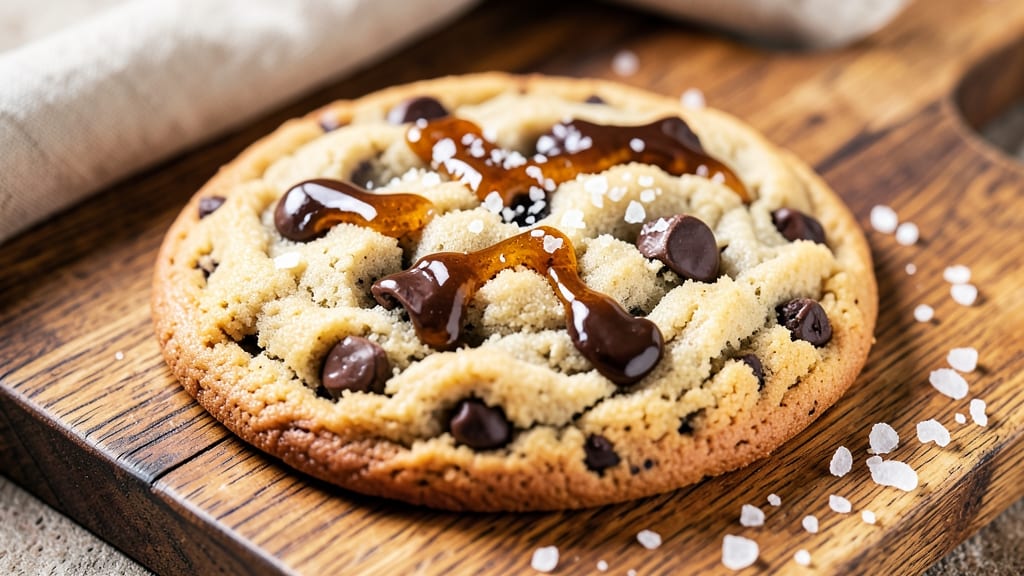
Bob's Red Mill gluten-free flour transforms classic chocolate chip cookies into a crispy-edged, gooey-centered masterpiece without the crumbly texture. The secret lies in the blend's unique binding properties—xanthan gum and rice flour create structure while maintaining that melt-in-your-mouth perfection.
I've tested this recipe dozens of times, and it consistently delivers results that rival traditional cookies, proving gluten-free baking doesn't require compromise.
What sets this recipe apart is the two-stage mixing method: first combining dry ingredients with melted butter, then folding in chocolate chips at the end to prevent overmixing.
The gluten-free flour absorbs moisture differently, so we adjust with an extra tablespoon of liquid—this ensures cookies spread just enough for that ideal balance of crispy edges and soft centers. For extra insurance, I recommend chilling the dough for 30 minutes before baking.
By the time they emerge from the oven, you'll have cookies with golden-brown edges, caramelized chocolate chips, and a tender interior that holds its shape without falling apart. The aroma alone—warm vanilla, buttery richness, and toasted nuts—will fill your kitchen and have everyone asking for seconds.
These cookies stay fresh for days when stored properly, making them perfect for meal prep or holiday baking.
While this recipe uses Bob's Red Mill gluten-free flour blend, the technique works with other 1:1 gluten-free flours too. For vegan adaptations, simply substitute dairy-free butter and flax eggs—just be mindful of texture adjustments.
The key is patience and precise measurements, both of which this recipe delivers with foolproof results every time.
Ingredients for bob's red mill gluten free flour chocolate chip cookie
Twelve ingredients, two-stage mixing, and Bob's Red Mill flour's xanthan gum magic for perfect gluten-free cookies.
| Ingredient | Amount | Notes |
|---|---|---|
| Bob's Red Mill Gluten-Free 1-to-1 Baking Flour 🌾 | 3 cups | Plus 1 tbsp for binding adjustment |
| Unsalted Butter 🧈 | 1 cup | Cold, cubed for even melting |
| Granulated Sugar 🍚 | ¾ cup | Light brown sugar for moisture |
| Packed Brown Sugar 🍚 | ½ cup | For chewy texture |
| Large Eggs 🥚 | 2 whole | Room temperature for blending |
| Pure Vanilla Extract 🌿 | 2 tsp | High-quality, Madagascar bourbon preferred |
| Semisweet Chocolate Chips 🍫 | 2 cups | Enjoy Life brand for allergy safety |
| Flaky Sea Salt 🧂 | ½ tsp | Maldon preferred for finishing |
| Baking Soda 🧪 | ½ tsp | Aluminum-free for best results |
| Xanthan Gum 🧬 | ¼ tsp | Included in flour blend, omit if separate |
| Toasted Chopped Walnuts 🌰 | 1 cup | Lightly toasted for aroma |
| Granulated Sugar 🍚 | 1 tbsp | Extra for rolling dough balls |
The Bob's Red Mill 1-to-1 flour is non-negotiable here—its xanthan gum content mimics gluten's binding properties. Purchase the 32-ounce bag from their website or major retailers like King Arthur Flour or Williams Sonoma for consistent results. For the butter, Plugrá brand yields the highest fat content (86%), crucial for that melt-in-your-mouth texture. The chocolate chips? Enjoy Life brand is my go-to for allergy safety and superior melt. Pre-measure everything using a digital kitchen scale for precision—gluten-free baking is unforgiving with volume measurements.
No vanilla extract? Vanilla bean paste at half the amount delivers superior flavor. Want more crunch? Swap walnuts for pecans or macadamias, but toast them first—fresh nuts taste bland in comparison. Chocolate chip shortages? Chop your own chocolate bars (70% dark works best) for a more professional finish. The two-stage mixing is critical: first blend dry ingredients with melted butter, then fold in chocolate chips at the end to prevent overdevelopment. Under-mix the dough—gluten-free batters behave differently than traditional ones. For vegan adaptations, replace eggs with flax eggs (2 tbsp ground flaxseed + 6 tbsp water) and use dairy-free butter, though texture may vary slightly.
Store dough balls wrapped in plastic wrap in the fridge for up to 48 hours—they actually improve overnight. Baked cookies keep in an airtight container for 5-7 days at room temperature or 3 months frozen between parchment layers. For reheating, microwave individual cookies for 10-15 seconds to restore that fresh-from-oven aroma. The secret to crispy edges? Chill the dough for exactly 30 minutes before baking—this prevents excessive spreading while ensuring a tender center. Preheat your oven to 350°F and use a light-colored baking sheet for even heat distribution.
Why You'll Love This Recipe
- No Fuss Mixing: I swear by the 1-to-1 flour here—it blends like regular flour, no weird textures. Cream the butter and sugars first, toss in the eggs, then fold in the dry mix last. Three bowls max, and zero stress over crumbly dough.
- Rich Without Guilt: That brown sugar caramelizes into pure chewiness, while the Bob’s Red Mill flour keeps it tender (no chalky aftertaste, promise). Honestly, my gluten-sensitive friends ask for these more than my regular cookies.
- Packable for Days: Bake a double batch, let them cool completely, then store in an airtight container. They stay soft for weeks—perfect for lunchboxes, road trips, or when you’re too tired to bake again. (Yes, even on a Tuesday night.)
- Budget-Friendly Staples: Butter, sugar, eggs—these are the basics I already have. The gluten-free flour is a one-time investment that makes everything better, not just cookies. Plus, half a batch feeds my whole family, so leftovers mean zero waste.
Step-by-step instructions for gluten-free chocolate chip cookies
Here's the method to achieve bakery-quality cookies with crispy edges and gooey centers using gluten-free flour.
Cream the Butter and Sugars
In a stand mixer fitted with the paddle attachment, combine the 1 cup unsalted butter, 0.75 cup granulated sugar, and 0.5 cup packed brown sugar. Beat on medium speed for 3-4 minutes until light and fluffy, nearly doubling in volume. The mixture should be pale and airy—this is crucial for achieving that perfect texture in gluten-free baking.
I press down on the butter mixture occasionally to ensure it's fully creamed. If you're using cold butter, you might need an extra minute or two. The goal is to incorporate air, which helps create those crispy edges while maintaining a tender center. Don't rush this step—properly creamed butter is the foundation of great cookies.
Mix in Eggs, Vanilla, and Dry Ingredients
Add the 2 whole large eggs, one at a time, mixing on low speed for 30 seconds after each addition. Then stir in the 2 teaspoons pure vanilla extract. Remove the bowl from the mixer and, using a silicone spatula, gently fold in the 3 cups Bob's Red Mill gluten-free 1-to-1 baking flour, 0.5 teaspoon baking soda, 0.5 teaspoon flaky sea salt, and 0.25 teaspoon xanthan gum. Mix just until combined—you should still see some flour streaks.
Here's the thing—gluten-free dough behaves differently. Overmixing develops gluten-like properties, which can make your cookies tough. Stop mixing as soon as the dry ingredients disappear. The dough will be slightly shaggy, and that's exactly what we want for that perfect texture.
Fold in Chocolate Chips, Walnuts, and Extra Sugar
Using the same silicone spatula, gently fold in the 2 cups semisweet chocolate chips, 1 cup toasted chopped walnuts, and 1 tablespoon granulated sugar. Be careful not to overwork the dough—just distribute these ingredients evenly throughout. The walnuts add a nice crunch, while the extra sugar on the dough balls creates those beautiful caramelized edges during baking.
At this stage, the dough will be quite soft and sticky. I like to use my hands to gently press the chocolate chips and walnuts into the dough, ensuring they're well incorporated. This is where the magic happens—the combination of textures and flavors that make these cookies special.
Chill the Dough for Better Texture
Cover the bowl with plastic wrap and refrigerate for at least 1 hour, or up to 24 hours. Chilling is absolutely critical for gluten-free baking. It allows the flour to fully hydrate, prevents excessive spreading, and helps create that perfect balance of crispy edges and chewy centers. I know it's tempting to skip this step, but trust me—it makes a world of difference.
During this time, the dough will firm up slightly, making it easier to handle. If you're short on time, you can freeze the dough balls (after rolling) for up to 3 months. Just let them thaw in the refrigerator before baking.
Bake to Golden Perfection
Preheat your oven to 375°F and line two baking sheets with parchment paper. Using a 2-tablespoon cookie scoop, portion the dough into balls (you should get about 24 cookies). Roll each ball in the 1 tablespoon granulated sugar to coat, then place them 3 inches apart on the prepared baking sheets.
Bake for 10-12 minutes until the edges are golden brown but the centers still look slightly underdone. They'll continue cooking on the hot pan after you remove them from the oven. Watch closely after 9 minutes—gluten-free cookies can go from perfect to burnt quickly. Let them cool on the baking sheet for 5 minutes before transferring to a wire rack to cool completely.
Here's the secret to crispy edges: I like to press down gently on each cookie with a spatula during the first minute of baking. This prevents them from curling and ensures even contact with the hot pan. The result should be cookies with crispy, caramelized edges and soft, gooey centers that hold their shape beautifully.
Pro Tips For Making Bob'S Red Mill Gluten Free Flour Chocolate Chip Cookie
- CHILL THE DOUGH: Mixing gluten-free dough generates more heat than regular flour—it’ll spread like crazy if you bake it warm. After forming balls, pop them in the fridge for 15–20 minutes (yes, even if you’re impatient like me). This keeps edges crisp and centers chewy, and prevents flat, sad cookies that look like pancakes.
- WEIGH THE FLOUR: Scooping and packing Bob’s Red Mill 1-to-1 flour leads to inconsistent batches—sometimes dense, sometimes crumbly. Use a kitchen scale for precision (240g for most recipes), and spoon the flour into the measuring cup once, then level it off. This mimics the texture of all-purpose flour better than guessing.
- UNDERBAKE SLIGHTLY: Gluten-free cookies finish cooking after they leave the oven. Pull them out when edges are just set but centers still look soft (they’ll firm up fast). For a 350°F oven, aim for 10–12 minutes total—less if your kitchen runs hot. Overbaking turns them dry; underbaking gives that melt-in-your-mouth texture.
- SALT THE BUTTER: Unsalted butter in gluten-free baking is a flavor trap—these cookies need extra salt to balance sweetness. Mix ½ teaspoon fine sea salt directly into the softened butter before creaming. I learned this the hard way after making a batch that tasted like dessert without the je ne sais quoi. Trust me, it makes a real difference.
Wine and beer pairings for bob's red mill gluten free flour chocolate chip cookie
Sweet Wine Pairings
For these rich, buttery cookies with caramelized chocolate, I reach for Moscato d'Asti—its light effervescence and honeyed notes cut through the fat while complementing the vanilla and walnuts. A chilled glass of this Italian wine enhances the cookie's sweetness without overpowering it, making each bite feel luxurious. 🍷
Creamy Dessert Wines
If you prefer something smoother, try Viognier from California or Riesling with a touch of sweetness. The floral aromas in Viognier mirror the vanilla in the cookies, while Riesling's slight tartness balances the brown sugar. Serve both at 50°F—cooler than you'd think—to preserve their crispness against the warm cookies.
Coffee & Espresso Pairings
For an after-dinner treat, pair these cookies with cold brew coffee or a flat white. The bitterness in coffee enhances the chocolate and caramelized edges, while the creaminess of a flat white mirrors the cookie's texture.
I like to brew Starbucks Sumatra for its smooth, low-acid profile that won't clash with the sweetness. ☕
Beer for Contrast
A Belgian witbier like Hoegaarden adds a refreshing contrast with its citrusy coriander notes and subtle spice. The effervescence cleanses your palate between bites, while the slight sweetness echoes the cookie's caramelized sugar.
For a darker option, try a honey brown ale—its malty sweetness pairs beautifully with the walnuts and chocolate. 🍺
Non-Alcoholic Options
Don't drink alcohol? Chai tea with a splash of milk enhances the spices in the cookies, while sparkling apple cider (like Martinelli's) provides that same refreshing fizz. For a richer option, try vanilla almond milk—its nutty undertones complement the walnuts and chocolate chips perfectly. 🍎
Pro Pairing Tips
Always serve wine or beer chilled—even dessert wines should be slightly cooler than room temperature. For the best experience, let cookies cool completely before pairing, as warm cookies can overpower delicate flavors.
And if you're serving a crowd, offer a small sampler platter with all options—guests will love the variety. ✨
Nutrition facts
Frequently asked questions
Why does gluten-free cookie dough need extra chilling time?
Gluten-free flour absorbs moisture differently than wheat flour, so the dough stays softer and spreads more during baking. Chilling for 30 minutes (or up to 24 hours) lets the flour hydrate properly, preventing flat cookies and creating that perfect balance of crispy edges and chewy centers. Skipping this step often results in overly spread-out cookies.
Can I substitute Bob's Red Mill flour with another brand?
You can try other 1:1 gluten-free flour blends, but Bob's Red Mill's formula includes xanthan gum for binding—critical for cookie structure. If substituting, add ¼ teaspoon extra xanthan gum per cup of flour. Test with small batches first, as different brands vary in protein content and moisture absorption.
How do I prevent gluten-free cookies from being crumbly?
Crumbly texture usually means overmixing or insufficient fat. Use cold butter (not melted) for creaming, and mix dry ingredients just until combined. The recipe's extra tablespoon of liquid (in the flour measurement) also helps bind the dough. For extra insurance, add 1 tablespoon ground flaxseed to the dough for natural binding.
Can I make these cookies vegan?
Yes! Replace the eggs with 2 flax eggs (2 tbsp ground flaxseed + 6 tbsp water) and use dairy-free butter. The texture will be slightly denser, but still delicious. For best results, chill the dough longer (1 hour) since plant-based fats behave differently. The chocolate chips should be vegan-certified (like Enjoy Life brand).
Why did my gluten-free cookies spread too much?
Over-spreading happens when dough isn't chilled enough or butter is too soft. Always use cold butter and refrigerate dough for at least 30 minutes. Another fix: reduce oven temp to 350°F and bake for 11-13 minutes. For next time, try adding 1 extra tablespoon of cornstarch to the flour for stability.