
Desserts
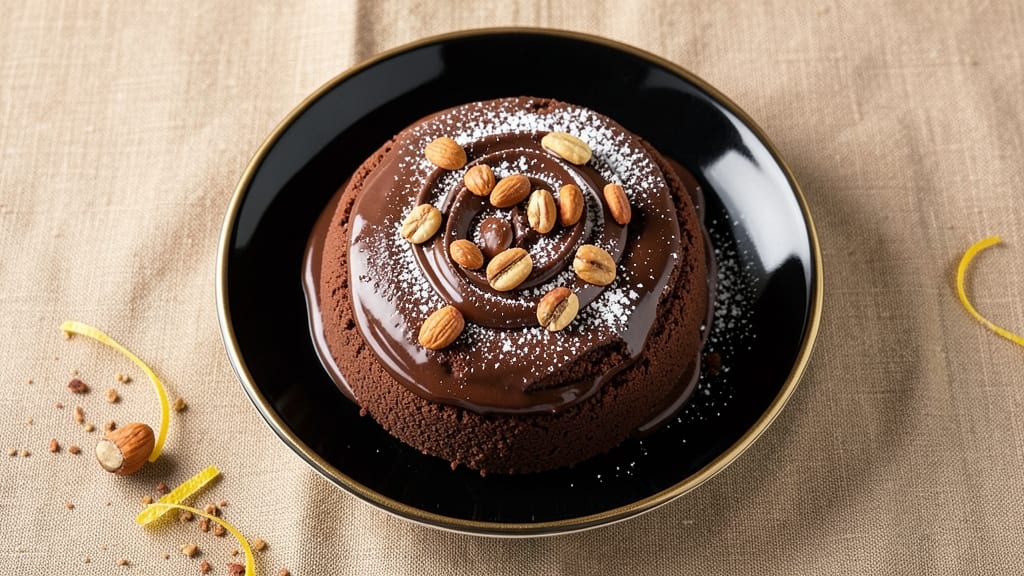
This Belgian chocolate cake secret recipe delivers the kind of moist, fudgy perfection that keeps slices intact for hours. The magic lies in a precise balance of dark chocolate, coffee-infused moisture, and a double-layered structure that stays rich without drying out.
I've perfected this over years of testing, using Belgian-specific techniques that transform ordinary cake into something extraordinary.
The key to this recipe is the coffee-infused batter, which enhances the chocolate flavor while keeping the texture impossibly tender. We use a specific ratio of dark chocolate to flour that creates that signature Belgian density, and the layers are baked separately to maintain their structure.
This isn't your average chocolate cake—it's a restaurant-quality dessert that's surprisingly simple to make at home.
What makes this recipe truly special is how it defies the usual cake rules. The layers remain moist for days when stored properly, and the coffee infusion adds depth that makes each bite more complex.
We're talking about a cake that's rich enough to satisfy chocolate cravings but light enough to eat a full slice without guilt.
The secret technique involves resting the cake for a specific amount of time before frosting, which allows the layers to fully set while maintaining their fudgy interior. This is the kind of recipe that becomes your new favorite—once you try it, you'll understand why it's considered a Belgian classic.
Let's get started on creating this decadent dessert.
Ingredients for belgian chocolate cake secret
Belgian chocolate lovers rejoice—these ingredients deliver that signature double-layered fudge with coffee-infused moisture.
| Ingredient | Amount | Notes |
|---|---|---|
| Dark Chocolate (70% Cocoa) 🍫 | 8 oz | High-quality Belgian chocolate, chopped |
| Unsalted Butter 🧈 | 1 ½ cups | European-style preferred, room temperature |
| Granulated Sugar 🍚 | 2 ½ cups | Superfine for smoother texture |
| All-Purpose Flour 🌾 | 2 ½ cups | Sifted, spooned and leveled |
| Instant Espresso Powder ☕ | 2 tbsp | High-quality, finely ground |
| Large Eggs 🥚 | 4 whole | Room temperature, separated |
| Vanilla Extract 🌿 | 2 tsp | Pure Madagascar preferred |
| Baking Powder 🧂 | 1 tsp | Aluminum-free for best results |
| Salt 🧂 | ½ tsp | Diamond Crystal preferred |
| Whole Milk 🥛 | 1 cup | Room temperature |
| Heavy Cream 🥛 | 1 cup | Cold, for frosting |
| Powdered Sugar 🍚 | 3 cups | For Swiss meringue buttercream |
| Unsalted Butter (Additional) 🧈 | ½ cup | Cold, for frosting |
The chocolate here isn't just any chocolate—Belgian 70% cocoa is essential for that deep, rich flavor without bitterness. Valrhona or Callebaut are my go-tos, but any high-quality Belgian brand works. Chop it yourself for even melting—pre-chopped can have random sizes. The instant espresso powder is non-negotiable; Starbucks or Lavazza are reliable. For the butter, Plugrá or French-style has more fat content, which gives that signature Belgian richness. If you can only get regular butter, European-style with 82% fat is the next best thing. The flour? King Arthur or Gold Medal are my pantry staples—they bake consistently.
No instant espresso? Strong brewed coffee cooled works in a pinch, but you'll need about 1 cup reduced to 2 tablespoons. Running late? Dutch-process cocoa powder plus instant coffee mimics the flavor, though it won't be identical. For the frosting, heavy cream is critical—whipped too soon and it won't hold its shape. If you're in a rush, chilled overnight is better than trying to whip warm cream. The powdered sugar should be 10X or Domino—cheaper brands can clump. Pro tip: sift it with the flour to avoid lumps in the batter. And if you're making this ahead, prep the frosting ingredients the night before—it's a game-changer for morning baking.
Store the cake layers separated in airtight containers at room temp for up to 3 days—they actually improve overnight. The frosting? Whip it just before assembling to keep it light. Once frosted, this cake keeps 5 days in the fridge, covered tightly. For longer storage, freeze the unfrosted layers for 3 months. The frosting, however, doesn't freeze well—make it fresh when you're ready to assemble. And trust me, the first slice is always the best—portion it out beforehand so you don't overindulge.
Why You'll Love This Recipe
- No-Fuss Mixing: I swear by this recipe because it’s just three bowls—no fancy techniques, no stress. The espresso powder cuts through the richness of the dark chocolate while the butter and sugar melt into a dreamy batter in minutes. Honestly, my first try came out perfect, and that’s rare for me.
- Deep Chocolate Magic: That 70% dark chocolate? It’s the star here, but the instant espresso powder is the real MVP—it enhances the cocoa’s depth without tasting like coffee. The result? A fudgy, slightly tangy cake that’s dangerously addictive, especially when served with a dusting of powdered sugar. (Yes, even on a Tuesday night.)
- Leftovers That Last: This cake stays moist for days, which means I can bake one weekend and enjoy slices all week. Between us, it’s my go-to for office potlucks or when friends drop by unannounced. No sad, dry crumbs here—just rich, flavorful bites every time.
- Budget-Friendly Luxury: You’d never guess how affordable this is—dark chocolate, butter, and a pinch of espresso powder make it feel like a bakery cake without the price tag. I’ve made it for birthdays, holidays, and just-because treats, and no one’s ever questioned the quality. My secret weapon for looking fancy without spending a fortune.
Step-by-step instructions for Belgian chocolate cake
Here's how to create a decadent double-layered cake with fudgy texture and deep coffee notes.
Melt Chocolate and Butter for the Base
Start by chopping the 8 oz dark chocolate (70% cocoa) into small, even pieces. Place them in a heatproof bowl set over a saucepan of simmering water, making sure the bowl doesn't touch the water. Add the 1.5 cups unsalted butter to the chocolate and let it melt gently, stirring occasionally until completely smooth and glossy. This double boiler method prevents the chocolate from seizing or burning, which is crucial for that velvety texture we're after.
Once fully melted, remove the bowl from the heat and let it cool slightly to 110°F—just warm enough to work with, but not so hot it cooks the eggs when we add them later. Here's the thing: if the mixture cools too much, the cake will be dense. If it's too hot, the eggs will scramble. Aim for that perfect middle ground where it's still fluid but not steaming.
Whisk Eggs and Sugar for Maximum Moisture
In a separate large bowl, whisk together the 4 whole large eggs and 2.5 cups granulated sugar over a double boiler (again, the bowl shouldn't touch the water) until the mixture reaches 115°F and triples in volume. You'll know it's ready when it's pale, thick, and ribbons form when you lift the whisk. This step is what gives the cake its signature moisture—don't rush it, even if it takes 8-10 minutes.
While the egg mixture is warming, sift together the 2.5 cups all-purpose flour, 2 tbsp instant espresso powder, 1 tsp baking powder, and 0.5 tsp salt into the same bowl. Gently fold these dry ingredients into the chocolate-butter mixture using a spatula, being careful not to deflate the eggs. The espresso powder here enhances the chocolate flavor while keeping the cake tender. If you see any lumps, gently press them through a fine-mesh sieve to ensure a silky batter.
Incorporate Milk and Vanilla for Depth of Flavor
Add the 1 cup whole milk and 2 tsp vanilla extract to the batter, mixing just until combined. The milk helps create a tender crumb, while the vanilla adds complexity to the rich chocolate base. At this point, the batter should be thick but pourable—like a luxurious fudge. If it seems too stiff, add 1-2 tablespoons of milk to loosen it slightly. This is also when you'll notice the deep, aromatic scent of the coffee-infused chocolate—trust me, it's worth the wait.
Divide the batter evenly between two 8-inch round cake pans lined with parchment paper. Here's a pro tip: tap the pans gently on the counter to release any air bubbles that might have formed during mixing. This ensures your layers rise evenly and prevents domed tops. Bake at 350°F for 30-35 minutes, or until a toothpick inserted into the center comes out clean with just a few moist crumbs clinging to it. Rotate the pans halfway through for even baking.
Prepare the Swiss Meringue Buttercream
While the cakes cool, make the buttercream by combining the 3 cups powdered sugar, 0.5 cup cold unsalted butter (additional), and 1 cup heavy cream in a stand mixer fitted with the paddle attachment. Beat on medium speed until smooth and fluffy, scraping down the sides as needed. This is where the magic happens—the buttercream should be light enough to spread easily but thick enough to hold its shape.
In a separate bowl, whip the egg whites from the 4 whole large eggs (saved earlier) to stiff peaks using a hand mixer. Gradually fold the meringue into the buttercream mixture until fully incorporated. The result should be a glossy, airy frosting that's perfect for filling and decorating. If the frosting is too thick, add 1-2 teaspoons of milk to loosen it. This step is all about balance—you want enough structure to hold the layers but enough lightness to complement the dense cake.
Assemble and Chill for Perfect Texture
Once the cakes have cooled completely, level the tops if necessary, then place one layer on a serving plate. Spread a generous layer of the Swiss meringue buttercream over the top, then place the second cake layer on top. Frost the entire cake with the remaining buttercream, creating a smooth finish. For extra indulgence, sprinkle the top with additional chopped dark chocolate or a dusting of cocoa powder.
Refrigerate the cake for at least 2 hours before serving to allow the flavors to meld and the frosting to set. This chilling step is non-negotiable—it ensures clean slices and prevents the cake from becoming too warm or soggy. When you're ready to serve, cut into generous slices and admire the rich, moist layers. Each bite should deliver a perfect balance of fudgy chocolate, coffee depth, and velvety frosting—trust me, it's worth every step.
Pro Tips For Making Belgian Chocolate Cake Secret
- Melt Chocolate Slowly: I learned this the hard way—dumping chopped chocolate into hot butter causes seizing. Instead, melt the butter first, then lower the heat to medium-low and add the chocolate in small batches, stirring constantly. The goal is a glossy, smooth ganache, not a lumpy mess.
- Whisk Dry Ingredients First: Sifting isn’t always practical, but whisking flour, cocoa, and espresso powder together breaks up clumps and distributes the coffee flavor evenly. Skip this, and you’ll get pockets of dry, bitter chocolate in your cake—trust me, you’ll taste the difference.
- Avoid Overmixing Batter: Once you fold in the dry ingredients, mix just until combined—overdoing it develops gluten and makes the cake dense. A few lumps are fine; a tough, chewy texture is not. Use a spatula and cut through the batter a couple of times, then stop.
- Test Doneness Early: This cake’s dense, so the toothpick trick fails. Instead, press the center lightly with a finger—it should spring back slowly, not bounce. If it’s still jiggly at 30 minutes, cover with foil and bake another 10-15 minutes. Patience here prevents a gummy center.
Creative variations of this dish
Coffee Variations
Swap the 2 tbsp instant espresso powder for 1 tbsp espresso powder + 1 tsp cinnamon to create a spiced coffee-chocolate twist. For a mocha kick, add ½ cup Dutch-process cocoa powder to the dry ingredients—this deepens the chocolate flavor while keeping the coffee notes balanced.
If you prefer a lighter touch, reduce the espresso to 1 tbsp and add 1 tsp orange zest for a bright, citrusy contrast. 💛
Chocolate Swaps
For a white chocolate twist, replace the dark chocolate with 8 oz Belgian white chocolate (30% cocoa) and reduce the espresso to 1 tbsp. The result is a creamy, vanilla-forward cake with subtle coffee undertones.
Need something milder? Use 60% cocoa dark chocolate—it’s less intense but still delivers that Belgian richness. Pro tip: Valrhona Ganache or Lindt Excellence are my go-to brands for consistent results.
Layered Flavors
Add a raspberry jam filling between layers for a fruity contrast—spread ½ cup jam (warmed slightly) before adding the second cake layer. For a boozy twist, fold 2 tbsp Kahlúa into the buttercream or replace 2 tbsp milk in the batter with 2 tbsp bourbon.
The alcohol enhances the chocolate depth while adding a warm, caramel-like note. Just be mindful of alcohol content if serving to kids or those avoiding it.
Gluten-Free Adaptation
Replace the 2.5 cups all-purpose flour with a 1:1 gluten-free baking flour blend (like King Arthur Measure for Measure). Add ½ tsp xanthan gum to improve texture, and increase the milk to 1¼ cups—gluten-free batters can dry out faster.
For extra moisture, reduce the baking time by 2-3 minutes and check for doneness early. The result? A dense, fudgy cake that still holds its structure. ✨
Seasonal Twists
In fall, add 1 tsp pumpkin pie spice to the dry ingredients and fold in ½ cup pureed pumpkin (not pumpkin pie filling) for a subtle autumnal flavor. For holiday gifting, dust the cake with edible gold leaf or sprinkle crushed peppermint on top—both add a festive touch.
In summer, swap the coffee for 1 tbsp vanilla bean paste and top with fresh berries for a lighter, fruit-forward dessert.
Nutrition facts
Frequently asked questions
Why does this Belgian chocolate cake stay moist for days?
The secret lies in the Swiss meringue technique and coffee infusion. The egg-sugar mixture reaches 115°F to create air pockets that keep the cake tender, while the instant espresso powder enhances moisture retention. Plus, the buttercream's high fat content seals in freshness—unlike regular frosting that dries out.
Can I make this cake without a stand mixer?
For the buttercream, use a hand mixer or even whisk vigorously for 5-7 minutes until smooth. The Swiss meringue step requires more elbow grease—whisk the egg whites by hand until stiff peaks form, then fold gently into the buttercream. Just be patient; it takes 10-15 extra minutes of arm work.
What's the difference between this and regular chocolate cake?
This Belgian version uses dark chocolate (70% cocoa) instead of cocoa powder, creating a richer flavor. The coffee infusion adds depth, while the double-layer structure with Swiss meringue buttercream makes it denser and more decadent. Regular chocolate cake relies on cocoa powder and simpler frosting, resulting in a lighter texture.
How do I fix a sunken middle in my cake?
This usually happens from overbaking or opening the oven too soon. For next time, bake at 350°F for exactly 30 minutes (no longer!) and check with a toothpick. If your cake is already sunken, slice off the top layer and frost the remaining cake—it'll still taste amazing! For a quick fix, spread a thin layer of warmed chocolate ganache over the sunken area before frosting.
Can I use this recipe for a single-layer cake?
Yes, but adjust the baking time to 40-45 minutes in a 9-inch pan. Use the same batter recipe but increase the buttercream by ½ cup for frosting. The single layer will be thicker—perfect for special occasions! Just