
Desserts
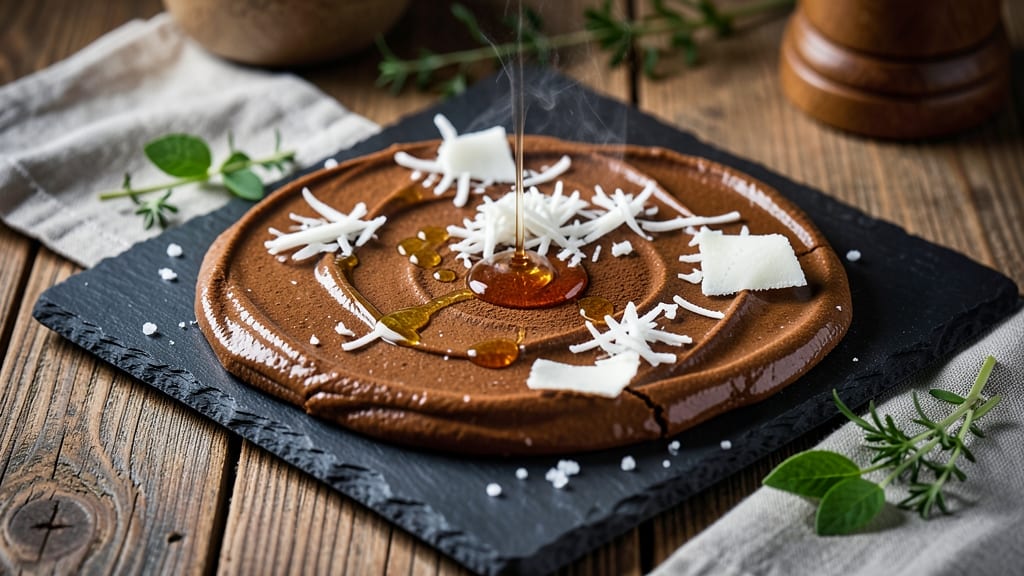
This carob powder chocolate recipe delivers rich, nutty-sweet fudge bars that taste like premium chocolate without the caffeine. The secret lies in balancing carob's earthy depth with coconut oil and vanilla, creating a velvety texture that melts in your mouth.
I developed this vegan version after years of experimenting with carob as a healthier chocolate alternative—it's become my go-to dessert for those seeking something indulgent yet naturally sweet.
The beauty of carob powder is its ability to mimic chocolate's richness while offering a lower caffeine content and natural fiber benefits. This recipe transforms simple pantry staples—carob powder, coconut oil, and maple syrup—into decadent fudge bars with a satisfying snap when cut.
The process is straightforward, requiring just 15 minutes of prep and 20 minutes in the oven, making it perfect for weeknight cravings or holiday treats.
What you'll end up with is a batch of vegan fudge bars that are naturally sweetened, dairy-free, and packed with carob's signature nutty flavor. The texture is smooth yet firm, with a subtle caramel undertone that pairs beautifully with a sprinkle of sea salt or crushed nuts.
These bars freeze perfectly for up to 3 months, making them ideal for meal prep or gifting.
Whether you're avoiding caffeine, exploring plant-based desserts, or simply craving a chocolate alternative, this recipe delivers restaurant-quality results at home. The carob's natural sweetness means you won't miss traditional chocolate—just the rich, satisfying experience. Let's get started!
Ingredients for carob powder chocolate
Simple pantry staples transform into decadent, caffeine-free fudge bars with carob's nutty richness.
| Ingredient | Amount | Notes |
|---|---|---|
| Carob Powder 🍫 | 1 ½ cups | Natural, unsweetened carob powder |
| Unsweetened Shredded Coconut 🥥 | 1 cup | Fine, unsweetened shreds |
| Extra-Virgin Coconut Oil 🫒 | 1 cup | Melted, not solid |
| Pure Maple Syrup 🍯 | ¾ cup | Grade A or B preferred |
| Pure Vanilla Extract 🌿 | 1 tbsp | Alcohol-free if needed |
| Sea Salt 🧂 | ½ tsp | Fine grain preferred |
| Unsweetened Almond Milk 🥛 | ¼ cup | For smooth texture |
| Almond Flour 🌾 | ½ cup | Blanched or whole |
| Crushed Pecans 🌰 | ½ cup | For topping, optional |
| Dark Brown Sugar 🍚 | ¼ cup | Packed lightly |
| Cocoa Powder 🍫 | ¼ cup | Dutch-processed for smoothness |
| Ground Flaxseed 🌾 | 1 tbsp | For binding, optional |
Carob powder is the star here—look for unsweetened, organic brands like Bob’s Red Mill or Anthony’s Goods for the best flavor. The shredded coconut should be fine and unsweetened; Trader Joe’s or Whole Foods carry great options. Extra-virgin coconut oil makes all the difference—avoid refined versions that lack flavor. For the maple syrup, Grade A gives a lighter color, while Grade B adds deeper caramel notes. If you're sensitive to caffeine, double-check your carob powder label—some brands mix in chocolate. The vanilla extract should be pure, with Madagascar bourbon vanilla being my top pick for depth.
No carob powder? Substitute with 1 cup Dutch-process cocoa powder plus 1 tbsp instant coffee for a deeper, slightly bitter chocolate flavor. Running low on coconut oil? Avocado oil or melted vegan butter work in a pinch, though texture may vary slightly. Swap the almond milk for oat or soy milk if needed—just ensure it's unsweetened. The almond flour can be replaced with cashew flour or even oat flour for a nut-free option. For extra richness, add 1 tbsp tahini to the mix. If you're making this ahead, pre-measure all dry ingredients in small bowls to streamline assembly.
Store the fudge bars in an airtight container at room temperature for up to 5 days, or freeze for 3 months for maximum freshness. To prevent sticking, line your container with parchment paper. For a restaurant-quality finish, sprinkle with flaky sea salt or crushed nuts right after baking while still warm. These bars reheat beautifully—microwave for 10-15 seconds to soften if they’ve hardened. Portion into individual squares for easy gifting or meal prep.
Why You'll Love This Recipe
- Here’s what sold me: the carob’s deep, earthy sweetness with coconut’s toasty crunch and vanilla’s cozy whisper. It’s rich but not heavy, and the maple syrup ties it all together—like a dessert that feels intentionally good.
- No-Mess Mixing: I swear by this recipe because it’s just carob powder, coconut oil, and a whisk—no melting, no tempering, no stress. The coconut oil melts into the carob with zero fuss, and the shredded coconut adds texture without extra work.
- Taste Like Warm Hugs: Here’s what sold me: the carob’s deep, earthy sweetness with coconut’s toasty crunch and vanilla’s cozy whisper. It’s rich but not heavy, and the maple syrup ties it all together—like a dessert that feels intentionally good.
- Batch-and-Grab Magic: Between us, I make a big batch and keep it in jars. Drizzle over yogurt, fold into oatmeal, or eat it straight—it’s my go-to for quick breakfasts or late-night cravings. No reheating, no waiting, just pure satisfaction.
Step-by-step instructions for nutty-sweet carob fudge bars
Creating these rich, caffeine-free carob bars is simpler than you think—just follow this precise method.
Melt the Coconut Oil and Combine Wet Ingredients
In a medium saucepan over low heat, gently melt the 1 cup extra-virgin coconut oil until completely liquid. Remove from heat and stir in the 0.75 cup pure maple syrup, 1 tbsp pure vanilla extract, and 0.5 tsp sea salt. Watch closely as the mixture warms—you want to avoid overheating, which can alter the delicate carob flavor.
In a separate bowl, whisk together the 1.5 cups carob powder, 0.25 cup cocoa powder, and 0.25 cup dark brown sugar. This dry blend is the foundation of your fudge bars, so make sure it's completely smooth with no lumps. The carob powder will give you that distinctive, slightly bitter-sweet chocolate alternative that's naturally caffeine-free.
Create the Fudge Base and Prepare the Pans
Slowly pour the melted coconut oil mixture into the dry ingredients while whisking continuously. You'll want to mix just until combined—don't overwork it, or you'll develop gluten in the almond flour we'll add next. The batter should be thick but pourable, with a glossy sheen that indicates proper emulsification.
Line a 9x13-inch baking pan with parchment paper, leaving an overhang on all sides for easy removal. Lightly grease the parchment with a bit of coconut oil to prevent sticking. Sprinkle 0.5 cup unsweetened shredded coconut evenly over the bottom of the pan—this will create a delightful crunchy layer at the base of your bars.
Prepare the Binding Agent and Final Mix
In a small bowl, combine the 0.25 cup unsweetened almond milk and 1 tbsp ground flaxseed. Let this mixture sit for 5 minutes to thicken—this creates a natural egg substitute that binds the ingredients together. The flaxseed will give your bars that perfect chewy texture without any animal products.
Add the thickened flaxseed mixture to your fudge batter along with the 0.5 cup almond flour. Stir gently until just combined—again, avoid overmixing. The batter should be smooth and slightly sticky, with a consistency similar to thick cookie dough. If it's too thick to spread easily, add 1 teaspoon more almond milk at a time until it reaches the right texture.
Assemble and Bake the Fudge Bars
Pour the fudge mixture evenly over the shredded coconut in your prepared pan. Using a spatula, spread it into an even layer, pressing down gently to eliminate any air bubbles. Sprinkle the 0.5 cup crushed pecans evenly over the top—these will add a delightful nutty crunch that pairs perfectly with the carob's rich flavor.
Bake in a preheated 350°F oven for 20-25 minutes, or until the edges are set but the center still has a slight wobble when the pan is gently shaken. The bars should be firm to the touch but not completely dry. Here's the thing—carob bakes differently than chocolate, so don't overbake or they'll become dry and crumbly.
Cool and Cut for Perfect Bars
Remove the pan from the oven and let it cool completely at room temperature for at least 2 hours. This slow cooling process is crucial—it allows the carob to set properly and prevents the bars from becoming too soft or sticky. I know it's tempting to cut them sooner, but patience here makes all the difference.
Once fully cooled, use the parchment overhang to lift the fudge bars out of the pan. Cut into 12 equal squares using a sharp knife or pizza cutter. For clean cuts, dip the knife in hot water between each slice. Store in an airtight container at room temperature for up to 2 weeks—though I guarantee these won't last that long!
Pro Tips For Making Carob Powder Chocolate
- Bloom the Carob: Whisk the carob powder into the coconut oil first—just a splash of warm water to dissolve it completely before adding syrup. I learned this the hard way: skipping this step leaves gritty bits that ruin the smoothness, no matter how much you stir later.
- Toast the Coconut: Dry-toast the shredded coconut in a separate pan for 3–4 minutes until golden and fragrant. The extra effort prevents a cloying sweetness later—raw coconut just doesn’t hold up in this recipe.
- Temper the Maple: Warm the maple syrup to just under a simmer (160°F/71°C) before mixing—hot syrup cooks the carob’s natural sugars too fast, turning your chocolate into a sticky mess. A candy thermometer makes this foolproof.
- Chill the Oil: Let the coconut oil cool to room temp before combining with carob—cold oil creates a grainy texture, while warm oil risks separating. I now keep it in the fridge for 10 minutes before measuring.
Regional styles of carob powder chocolate
Mediterranean Carob Delights
In coastal regions like Greece and Turkey, carob has been used for centuries as a natural sweetener and chocolate substitute. Try adding 1 tsp cinnamon and ½ tsp orange zest to the batter for a Middle Eastern twist—these flavors complement carob's earthy notes beautifully.
For an authentic touch, top with toasted sesame seeds instead of pecans. 🌿
Spanish-Style Carob Truffles
Spain's carob tradition shines in these truffle-style bars. Replace the shredded coconut with ½ cup chopped hazelnuts and add 1 tbsp instant espresso powder to deepen the chocolate-like flavor.
Roll cooled bars in powdered sugar or crushed almonds for a classic Spanish turrón texture. These truffles freeze perfectly for gifting—just wrap in parchment before freezing.
Italian Carob Biscotti
For a crunchy Italian variation, shape the cooled fudge into a log and slice into ½-inch pieces. Bake at 325°F for 15 minutes, then flip and bake another 10 minutes for crisp edges.
Toss with powdered sugar and crushed pistachios—these biscotti pair wonderfully with espresso or almond milk. The carob adds a subtle bitterness that balances the sweetness perfectly. 🍪
Caribbean Coconut-Carob Bars
Embrace tropical flavors by adding ½ cup unsweetened coconut flakes to the batter and topping with toasted coconut flakes after baking. A splash of rum extract (½ tsp) or lime zest elevates the Caribbean vibe.
These bars work as piña colada-inspired treats—serve with a side of fresh mango for a vacation-worthy dessert. 🌴
German Carob Speculoos
For a spiced German twist, mix 1 tsp ground cardamom and ½ tsp nutmeg into the dry ingredients. Top with crushed speculoos cookies (available at international markets) for a nostalgic flavor.
These bars are perfect for Christmas markets—their warm spices and carob's richness make them a cozy seasonal favorite. 🎄
Nutrition facts
Frequently asked questions
Can I substitute carob powder with cocoa powder in this recipe?
You can use cocoa powder, but the flavor will differ significantly. Carob has a naturally sweet, nutty profile with no caffeine, while cocoa is more bitter and chocolate-forward. For a closer chocolate taste, mix 1 cup cocoa powder with 1 tbsp instant coffee and reduce maple syrup by 2 tablespoons. The texture will be slightly denser, though.
Why do my carob bars turn out too bitter?
Bitter flavor usually comes from overbaking or using too much cocoa powder (if substituted). Carob itself has a natural bitterness that needs balancing with sweetness. Check your baking time—20-25 minutes at 350°F is ideal. For extra sweetness, add 1-2 tablespoons more maple syrup to the wet ingredients.
How can I make these bars nut-free?
Omit the pecans and replace almond milk with oat milk. Swap almond flour for ½ cup oat flour or ½ cup sunflower seed flour. The texture will be slightly denser but still delicious. For extra richness, add 1 tbsp tahini to the wet ingredients.
Will these bars freeze well?
These carob bars freeze beautifully for up to 3 months. Wrap individual portions in plastic wrap, then place in a freezer bag with all air removed. Thaw at room temperature for 1-2 hours before serving. The texture remains firm and delicious after freezing.
Can I make this recipe without coconut oil?
Yes, but the texture will change slightly. Use avocado oil or melted vegan butter in equal amounts. For a dairy-free option, try olive oil, though it has a more pronounced flavor. The bars will be slightly softer but still rich and satisfying.