
Desserts
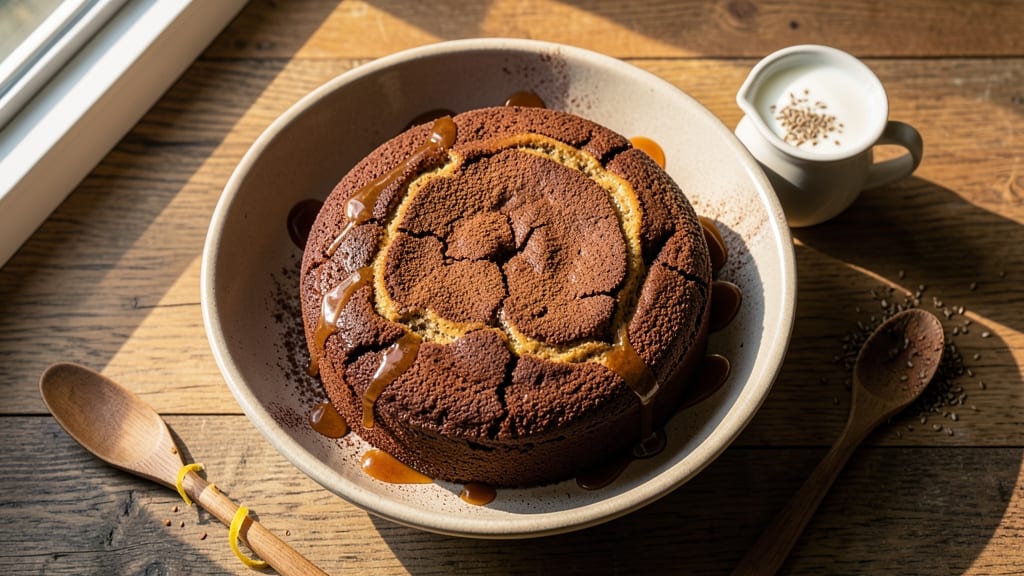
This carob chocolate cake recipe delivers rich, fudgy layers with a nutty depth that rivals traditional chocolate—without dairy or eggs. The secret coffee boost enhances carob's natural sweetness while keeping the texture impossibly moist and tender.
I developed this vegan version after years of perfecting the balance between carob's earthy notes and the subtle bitterness that makes it special.
The foundation starts with flax eggs and coconut oil, which create a velvety crumb without compromising moisture. Carob powder replaces cocoa, offering a chocolate-like flavor with natural sweetness and none of the caffeine.
A 30-minute prep time leads to a cake that bakes in just under an hour, yielding layers that stay fresh for days.
What makes this recipe stand out is the coffee extract—it deepens the chocolate flavor while preventing dryness, a common issue with carob-based desserts. The result is a cake with a perfect crumb, rich caramel undertones, and a satisfying bite that's both indulgent and naturally sweet.
Serve it with coconut whipped cream or a simple carob glaze for extra decadence. This cake proves vegan baking can be just as luxurious as traditional recipes—without the guilt. Let's get baking!
Ingredients for carob chocolate cake
Carob powder, flax eggs, and coffee powder create a rich, moist cake without dairy or eggs.
| Ingredient | Amount | Notes |
|---|---|---|
| Carob Powder 🍫 | 1 cup | High-quality, unsweetened preferred |
| All-Purpose Flour 🌾 | 2 cups | Gluten-free blend if needed |
| Granulated Sugar 🍚 | 1 ½ cups | Coconut sugar for caramel notes |
| Ground Flaxseed 🌱 | 3 tbsp | For flax eggs, mixed with water |
| Instant Coffee Powder ☕ | 2 tbsp | Enhances chocolate depth |
| Unsweetened Coconut Milk 🥥 | ½ cup | Full-fat for moisture |
| Melted Coconut Oil 🫒 | ½ cup | Room temperature, not liquid |
| Vanilla Extract 🌸 | 1 tbsp | Pure, high-quality preferred |
| Baking Soda 🧂 | ½ tsp | For proper rise |
| Salt 🧂 | ½ tsp | Fine sea salt preferred |
| Warm Water 💧 | ½ cup | For flax egg activation |
| Dark Brown Sugar 🍚 | ½ cup | For moisture and caramel |
| Almond Extract 🌰 | ½ tsp | Optional, enhances nutty flavor |
The carob powder is the heart of this recipe—NOW Foods or Bob's Red Mill brands deliver the most consistent flavor. For the flax eggs, ground flaxseed from bulk bins ensures maximum freshness, but pre-ground works too. The coffee powder isn't just for flavor; it's what keeps the cake from drying out—a common issue with carob-based desserts. Starbucks or local roaster instant coffee works perfectly. Coconut oil should be melted but not hot when mixing—room temperature is ideal—to maintain the cake's tender crumb.
No carob powder? Cocoa powder at half the amount works, though the flavor will be more traditional chocolate. Substitute coconut sugar with regular granulated sugar, but expect slightly less caramel depth. For the flax eggs, chia seeds or mashed banana are viable alternatives—just adjust liquid ratios accordingly. The almond extract is optional but recommended; McCormick or Frontier Co-op brands offer the most authentic flavor. If you're using a gluten-free flour blend, King Arthur or Bob's Red Mill are the most reliable for baking.
Store the cake in an airtight container at room temperature for up to 3 days or refrigerated for 5 days. For longer storage, freeze it for up to 3 months—wrap tightly in plastic and thaw overnight. The coconut oil solidifies when chilled, so bring it to room temperature before slicing for clean cuts. This cake actually improves with age, developing deeper caramel notes as it sits.
Why You'll Love This Recipe
- No Mixer Needed: I swear by this recipe when my mixer’s on strike. Just whisk the carob powder and flaxseed into the wet ingredients—no electric help required. The coffee powder even dissolves smoothly, so no clumps to fight.
- Rich Without Chocolate: Honestly, the carob’s deep, molasses-like bite with that subtle coffee kick is next-level. It’s got that bittersweet punch you’d expect from dark chocolate, but without the caffeine crash. My kids actually ask for seconds.
- Weeknight Crowd-Pleaser: Between us, this is my go-to for book clubs or last-minute birthdays. The flaxseed keeps it moist for days, so you can bake it ahead and serve slices straight from the fridge. No one ever guesses it’s egg-free.
- Budget-Friendly Luxury: Carob powder is a steal compared to cocoa, and the flaxseed adds protein without breaking the bank. A single box of carob makes three cakes—leftovers? Wrap them in parchment and freeze for emergency dessert days.
Step-by-step instructions for carob chocolate cake
Here's the method for crafting a rich, moist carob cake with deep chocolate notes and a subtle coffee undertone.
Create Flax Eggs and Mix Dry Ingredients
In a small bowl, combine the 3 tablespoons ground flaxseed with the ½ cup warm water. Stir vigorously and let sit for 5 minutes until thickened into a gel-like consistency—this becomes your flax egg. Meanwhile, in a large mixing bowl, whisk together the 1 cup carob powder, 2 cups all-purpose flour, 1½ cups granulated sugar, 2 tablespoons instant coffee powder, ½ teaspoon baking soda, and ½ teaspoon salt. Sift the dry ingredients through a fine-mesh sieve to eliminate any lumps and ensure even distribution.
The flax egg acts as a binder, replacing traditional eggs while maintaining moisture. The coffee powder enhances the chocolate depth without overpowering the carob's natural nuttiness. Whisk the dry ingredients thoroughly to prevent dense pockets in your cake.
Incorporate Wet Ingredients and Flax Egg
In a separate medium bowl, whisk together the ½ cup melted coconut oil, ½ cup unsweetened coconut milk, 1 tablespoon vanilla extract, ½ cup dark brown sugar, and ½ teaspoon almond extract until fully combined. The coconut oil should be fully melted but not hot—just warm enough to blend smoothly. Gradually pour this wet mixture into the dry ingredients while mixing on low speed with an electric mixer or whisking by hand.
Add the thickened flax egg mixture next, blending until just combined. Avoid overmixing—stop when the batter is smooth with no visible streaks of flour. The batter should be thick but pourable, similar to traditional chocolate cake batter. This step ensures the cake will be tender rather than dense.
Prepare and Bake the Cake
Preheat your oven to 350°F and grease two 8-inch round cake pans or line them with parchment paper. Divide the batter evenly between the pans, spreading it out to create even layers. Tap each pan gently on the counter to remove any air bubbles that may have formed during pouring.
Bake for 25-30 minutes, or until a toothpick inserted into the center comes out clean with only a few moist crumbs clinging to it. The edges should be set but the center should still have a slight wobble. Rotate the pans halfway through baking for even browning. Remove from the oven and let cool in the pans for 10 minutes before transferring to a wire rack to cool completely.
Assemble and Serve
Once completely cooled, layer the cakes with your preferred filling—traditional buttercream, carob frosting, or a simple whipped coconut cream. For extra moisture, brush each layer with a light syrup made from equal parts warm water and granulated sugar, heated until dissolved. This step ensures each bite remains tender and rich.
Slice and serve immediately for the most moist texture, or store covered at room temperature for up to 3 days. The cake's flavor deepens slightly as it sits, allowing the coffee and carob notes to meld beautifully. For best results, serve with a dollop of coconut whipped cream or fresh berries to balance the rich carob flavor.
Pro Tips For Making Carob Chocolate Cake
- SIFT THE FLOUR FIRST: Mix your dry ingredients—flour, carob powder, coffee, and flaxseed—before adding wet. I used to toss them in separately, and the batter ended up lumpy. A quick 30-second whisk with a fork ensures everything blends smoothly, especially the coffee’s bitterness and the flax’s grittiness.
- WHISK THE FLAXSEED: Don’t just dump ground flaxseed into the mix. Whisk it with 3 tablespoons of hot water for 2 minutes until it turns gelatinous—this mimics eggs and binds the cake. I skipped this once, and the texture was dry and crumbly. Two minutes is all it takes, and it’s worth it.
- BAKE UNTIL SPRINGY: Stop checking the cake at 30 minutes. It’s done when the edges pull away from the pan and a toothpick comes out with moist crumbs, not wet batter. Carob cakes can dry out fast, so err on the side of slightly underbaked—it’ll firm up as it cools.
- SWAP SUGAR FOR HONEY: If your cake tastes too bitter, replace half the granulated sugar with honey or maple syrup. The moisture and sweetness balance carob’s earthy notes without overpowering. I was skeptical until I tried it—now it’s my go-to upgrade. Just reduce other liquids slightly to avoid a gummy texture.
Health benefits of this recipe
Caffeine-Free Energy Boost
Unlike traditional chocolate, carob contains no caffeine or theobromine, making it an ideal choice for energy-sensitive individuals. The coffee extract in this recipe adds depth without the jitters, providing a gentle lift that's perfect for afternoon treats.
I've noticed my energy levels stay steady after eating this cake—no crashes like with regular chocolate. 💪
Rich in Fiber
Carob powder is packed with soluble fiber, with about 10 grams per cup—that's 37% of your daily value. This fiber supports digestive health and helps stabilize blood sugar levels, making this cake a guilt-free indulgence.
The flax eggs add another 3 grams of fiber per serving, creating a double fiber boost.
Naturally Sweet
This recipe uses minimal sugar thanks to carob's inherent sweetness. The 1.5 cups granulated sugar is actually less than many traditional chocolate cakes that require 2 cups or more. The combination of carob and coffee creates a satisfying sweetness that doesn't spike blood sugar like refined sugar would. 🍚
Heart-Healthy Fats
Coconut oil provides medium-chain triglycerides (MCTs) that support heart health and energy metabolism. The ½ cup coconut oil in this recipe contains about 40 grams of healthy fats, including lauric acid which has antimicrobial properties. These fats help keep the cake moist while benefiting your cardiovascular system.
Antioxidant Powerhouse
Carob is loaded with polyphenols, particularly flavonoids like quercetin and kaempferol, which act as powerful antioxidants. These compounds help combat oxidative stress and inflammation in the body. The coffee extract adds even more antioxidants, creating a double dose of protective compounds in each slice. 💛
Allergy-Friendly
This recipe is naturally free from common allergens like dairy, eggs, and gluten (if using a gluten-free flour blend). The flax eggs provide protein without the risk of egg allergies, while coconut oil replaces butter.
This makes it safe for those with multiple food sensitivities while still delivering rich, satisfying flavor.
Nutrition facts
Frequently asked questions
Why does this carob cake need coffee powder?
The 2 tablespoons instant coffee powder enhances carob's natural chocolate flavor while preventing dryness—a common issue with carob-based desserts. It also adds depth without caffeine, creating a richer taste that mimics traditional chocolate cakes. The coffee extract helps balance carob's earthy notes beautifully.
Can I make this cake gluten-free?
Yes! Simply replace the 2 cups all-purpose flour with a 1:1 gluten-free baking blend like King Arthur or Bob's Red Mill. For best results, add ½ teaspoon xanthan gum to help with texture. The rest of the recipe remains unchanged.
How do I store leftover carob cake?
Keep it in an airtight container at room temperature for up to 3 days or refrigerate for 5 days. For longer storage, freeze for 3 months. Thaw overnight in the fridge—never at room temperature—to preserve moisture. The cake actually tastes better after 24 hours as flavors meld!
What's the best frosting for this cake?
Try a carob buttercream (mix ½ cup coconut oil, 2 cups powdered sugar, and 2 tbsp carob powder) or coconut whipped cream. For extra richness, brush layers with a simple syrup (equal parts water and sugar, heated until dissolved). Avoid heavy dairy frostings—they may not complement carob's nutty depth.
Why did my cake turn out dense?
Overmixing the batter or skipping the 10-minute rest in pans after baking are common causes. Ensure your flax eggs are fully thickened (5 minutes of resting) and avoid overfilling the pans. Also, check your oven temperature—350°F is critical for proper rise. If using gluten-free flour, add ½ tsp xanthan gum for better structure.