
Desserts
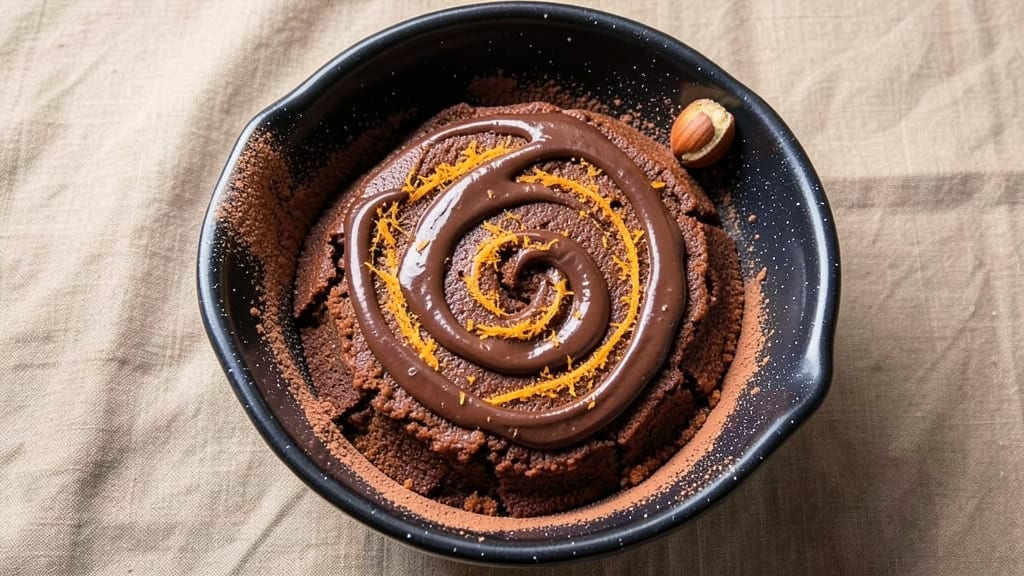
This Bueno chocolate cake recipe delivers the kind of rich, deep flavor that makes every slice unforgettable—moist crumb infused with espresso and warm Aztec spices like cinnamon and anise.
The secret lies in balancing cocoa powder with coffee for complexity, while a touch of orange zest brightens the dark chocolate notes. What sets this apart is the texture: tender yet sturdy, with just enough crumb to hold up to generous frosting.
Unlike traditional chocolate cakes, this version incorporates traditional Mexican spices that add warmth and depth without overpowering the chocolate. The cake bakes up with a golden brown top and a fudgy center that stays moist for days, thanks to a simple but effective technique of mixing the dry ingredients separately.
This ensures no dry spots and a perfect crumb every time.
The result is a cake that’s sophisticated enough for special occasions but simple enough for weeknight desserts. Serve it with a dusting of cocoa powder, a drizzle of caramel, or a light whipped cream to complement the intense chocolate flavor.
The spices create layers of warmth that linger with each bite, making this more than just a chocolate cake—it’s a flavor experience.
Perfect for birthdays, holidays, or when you want to impress without fuss, this recipe delivers restaurant-quality results at home. The ingredients are straightforward, and the method is foolproof, ensuring you’ll achieve that perfect balance of moisture, richness, and spice every time.
Ingredients for bueno chocolate cake
Rich cocoa, warm spices, and espresso create this decadent, moist cake experience.
| Ingredient | Amount | Notes |
|---|---|---|
| Unsweetened Cocoa Powder 🍫 | ¾ cup | High-quality Dutch-processed preferred |
| All-Purpose Flour 🌾 | 2 cups | Sifted for light texture |
| Granulated Sugar 🍚 | 2 cups | White or light brown |
| Light Brown Sugar 🍚 | ½ cup | Packed for moisture |
| Instant Espresso Powder ☕ | 2 tbsp | Dissolves smoothly |
| Orange Zest 🍊 | 1 tbsp | Freshly grated |
| Ground Cinnamon 🌿 | 1 tsp | Freshly ground preferred |
| Ground Anise Seed 🌶️ | ½ tsp | Aztec spice essential |
| Baking Soda 🧂 | 1 tsp | Pure, not baking powder |
| Salt 🧂 | ½ tsp | Fine sea salt |
| Large Eggs 🥚 | 2 whole | Room temperature |
| Unsalted Butter 🧈 | 1 cup | Softened but not melted |
| Whole Milk 🥛 | 1 cup | Room temperature |
| Vanilla Extract 🌸 | 2 tsp | Pure Madagascar preferred |
The cocoa powder is the heart of this recipe—Valrhona or Guittard are my go-tos for that deep, velvety flavor. Grab the Dutch-processed kind (alkalized) to avoid bitterness. The espresso powder is non-negotiable: it balances the sweetness and adds complexity. Starbucks or Lavazza instant espresso work perfectly. For the spices, Mexican oregano and anise seeds from Penzeys elevate this beyond basic chocolate cake. Fresh orange zest brightens the dark flavors—use a microplane for maximum aroma. The butter should be soft but not greasy; microwave for 20 seconds if needed.
No instant espresso? Cold brew concentrate (1 tbsp) works in a pinch. Substitute anise with star anise powder (1/4 tsp) if you can't find it. For a gluten-free version, swap the flour with a 1:1 gluten-free blend (like Bob's Red Mill). The brown sugar adds moisture—don't skip it unless you're using a different sweetener like maple syrup (reduce by 1 tbsp). If you're nervous about the anise, start with 1/4 tsp and adjust to taste. The vanilla extract matters here—imitation will ruin the depth of flavor.
This cake stays moist for 5-6 days wrapped in plastic at room temperature, but it's even better the next day when the flavors meld. For longer storage, freeze slices for up to 3 months. I like to wrap individual portions in parchment before freezing—just thaw at room temperature for 30 minutes. The frosting? Chocolate ganache or cream cheese frosting complements the spiced cake beautifully. Dust with cocoa powder before serving for that restaurant-quality touch.
Why You'll Love This Recipe
- No Mixer Needed: I swear by this recipe when my hands are full—just whisk the dry ingredients (cocoa, flour, sugars) in a bowl, then fold in the wet. The instant espresso powder dissolves instantly, so no sifting or overmixing. Honestly, it’s the kind of cake that makes me feel like a baking pro without the fuss.
- Deep, Grown-Up Flavor: That combo of unsweetened cocoa and brown sugar gives it a rich, almost fudgy texture, while the espresso powder adds a subtle depth—like a fancy dessert without the pretension. My coffee-loving husband always asks for seconds, and even my kid who "hates chocolate" sneaks bites.
- One-Bowl, Many Uses: This cake is my go-to for birthdays, book club gatherings, or just because. Bake it in a loaf pan for easy slicing, or split it into cupcakes for a last-minute party. I’ll be real: I’ve even used the leftovers for breakfast toast—trust me, it works.
- Budget-Friendly Luxury: You’re getting restaurant-quality flavor for pennies. A single box of cocoa and a bag of sugar stretch across multiple cakes, and the espresso powder is a tiny but mighty upgrade. Plus, it keeps well wrapped for days, so no sad, dried-out slices—just pure, reliable chocolate joy.
Step-by-step instructions for deep Aztec spice chocolate cake
This isn't your average chocolate cake—it's a rich, moist masterpiece with layers of coffee intensity and warm Aztec spices.
Whisk Together Dry Ingredients for Maximum Aeration
In a medium bowl, sift together the 2 cups all-purpose flour, 0.75 cup unsweetened cocoa powder, 1 tsp baking soda, and 0.5 tsp salt. I like to use a fine-mesh sieve for this step—it prevents lumps and ensures even distribution throughout the batter. Add the 2 cups granulated sugar, 0.5 cup packed light brown sugar, 2 tbsp instant espresso powder, 1 tsp ground cinnamon, and 0.5 tsp ground anise seed to the dry ingredients and whisk vigorously for about 1 minute. The anise seed gives this cake its signature depth—think licorice meets chocolate.
This dry mix should be completely homogeneous, with no visible streaks of flour or cocoa. The espresso powder and spices will dissolve into the batter later, creating that signature coffee-chocolate flavor profile. I always taste the dry mix at this stage—it should have a rich, slightly bitter chocolate-cinnamon aroma with a hint of orange from the zest we'll add next. Set this bowl aside for now.
Cream Butter and Sugars to Light and Fluffy
In a stand mixer fitted with the paddle attachment, beat the 1 cup softened unsalted butter on medium speed until smooth and creamy—about 1 minute. Add the 2 cups granulated sugar and 0.5 cup packed light brown sugar and beat on medium-high speed for 3-4 minutes until the mixture is light and fluffy, with ribbons forming when the beaters are lifted. This step is crucial for creating that tender, moist crumb we're after.
I press down on the butter-sugar mixture with my fingers occasionally to check for proper creaming—it should leave a slight indentation that springs back immediately. The mixture should nearly double in volume and turn a pale, creamy color. This aeration is what gives the cake its signature lightness despite being so rich. If your kitchen feels warm, chill the bowl in the fridge for 10 minutes before proceeding to prevent overmixing.
Incorporate Wet Ingredients for Perfect Texture
Add the 2 whole large eggs one at a time, mixing on low speed for 30 seconds after each addition until fully incorporated. Scrape down the sides of the bowl with a rubber spatula to ensure all ingredients are properly combined. Add the 1 cup whole milk, 2 tsp vanilla extract, and 1 tbsp freshly grated orange zest, mixing on low speed until just combined—about 1 minute. The orange zest adds a bright, citrusy note that cuts through the richness of the chocolate.
Now gradually add the dry ingredient mixture to the wet ingredients in 3 additions, mixing on low speed after each addition just until combined. Be careful not to overmix—you're looking for a thick, smooth batter with no visible streaks of flour. The batter should be thick enough to hold its shape when dropped from a spoon but still pourable. If it's too thick, add 1-2 tablespoons of whole milk to achieve the perfect consistency. This batter is the secret to that ultra-moist crumb we're aiming for.
Bake to Perfect Moisture and Depth of Flavor
Preheat your oven to 350°F and grease two 8-inch round cake pans with butter or baking spray, then line the bottoms with parchment paper. Divide the batter evenly between the two pans. I use a kitchen scale for this to ensure even distribution—each pan should have about 16 ounces of batter. Tap the pans gently on the counter to remove any air bubbles and smooth the tops with a spatula.
Bake for 30-35 minutes or until a toothpick inserted into the center comes out with a few moist crumbs but no wet batter clinging to it. The edges should be pulling away slightly from the pans, and the tops should be set but still slightly shiny. This cake is delicate—overbaking will make it dry. If the tops brown too quickly, tent the pans with aluminum foil after 20 minutes of baking. The internal temperature should reach 205-210°F when done.
Cool and Layer for Maximum Moisture Retention
Remove the cakes from the oven and let them cool in their pans for 10 minutes. Then transfer them to a wire rack to cool completely. I like to brush the warm cakes with a simple glaze made by whisking together ½ cup powdered sugar and 1 tablespoon whole milk while they're still warm—this adds an extra layer of moisture and sweetness. For the final touch, dust the cooled cakes with a light layer of cocoa powder mixed with ½ teaspoon ground cinnamon for that signature Aztec spice finish.
This cake is best served at room temperature, allowing all the flavors to fully meld. The coffee and chocolate notes will deepen as it sits, while the orange zest adds a bright contrast. The anise seed gives it that distinctive warmth that makes this cake truly special. Each slice should be rich, moist, and packed with layers of flavor that keep you reaching for seconds.
Pro Tips For Making Bueno Chocolate Cake
- Sift the Cocoa: Mixing dry ingredients can get lumpy, and cocoa powder is the worst offender. Take 10 seconds to sift it with the flour—this cuts down on lumps and makes the batter smoother. (Yes, even if you’re in a hurry, trust me on this.)
- Warm the Eggs First: Cold eggs in a warm batter slow everything down. Crack them into a separate bowl, cover it with plastic wrap, and set it in warm water for 2 minutes before adding them. The batter will blend faster and the texture will be more consistent.
- Don’t Overmix the Batter: Once you add the wet ingredients, stop stirring after 20 seconds. Overmixing develops gluten in the flour, which turns your cake dense instead of tender. The second the flour is just combined, call it done.
- Use Room-Temp Butter: Cold butter creates pockets of air in the batter that won’t rise properly. Take the butter out of the fridge 15 minutes before you start—this ensures it’s soft but not greasy, and the cake will bake evenly without sinking in the middle. (I used to skip this and always ended up with a cake that needed extra time to set.)
Storing and reheating your bueno chocolate cake
Room Temperature Storage
This cake stays irresistibly moist for 5-6 days at room temperature when wrapped tightly in plastic wrap or stored in an airtight container. The spices and espresso deepen overnight, making it even better the next day.
I always let it cool completely before wrapping to prevent condensation, which can make the crumb soggy. Place it in a cool, dark spot away from direct sunlight—your pantry is perfect. 💫
Refrigerator Refresh
If you need to store leftovers longer than a week, pop the cake in the fridge for up to 5 days. The cold helps preserve moisture, but the texture becomes slightly denser. To revive it, let slices sit at room temperature for 15-20 minutes before serving.
I like to reheat slices briefly in the microwave (10 seconds) if they feel too cool—just enough to melt any chilled butter and restore that warm, gooey center. 🔥
Freezer-Friendly Slices
For maximum longevity, freeze individual slices wrapped in parchment paper and placed in a freezer bag for up to 3 months. Thaw overnight in the fridge to maintain texture, or microwave for 15-20 seconds to enjoy immediately.
The freezer preserves all the rich flavors, though the crumb may soften slightly upon thawing. I always add a quick dusting of cocoa powder after reheating to refresh the presentation. ❄️
Frosting Considerations
If your cake includes frosting (like chocolate ganache or cream cheese), store it separately in the fridge. Reassemble just before serving to prevent sogginess. For a no-frosting version, the cake’s natural moisture is enough—just dust with cocoa powder before slicing.
The spices in the cake pair beautifully with whipped cream or caramel drizzle, so add those fresh after removing from storage. 🍯
Reheating Like a Pro
For the best texture, reheat slices in a 350°F oven for 5-7 minutes on a wire rack. This gently warms the cake without drying it out. Alternatively, use the microwave on low power (50%) for 10-15 seconds—just enough to restore warmth.
Avoid high heat, which can turn the cake rubbery. The goal is to revive the crumb without overcooking it. 💡
Nutrition facts
Frequently asked questions
Why does this chocolate cake use espresso powder instead of regular coffee?
The instant espresso powder adds depth and intensity that brewed coffee can't match. It dissolves completely into the batter without altering texture, creating that signature coffee-chocolate marriage. The 2 tablespoons enhances the chocolate flavor while adding subtle bitterness that balances the sweetness. Think of it as the secret ingredient that elevates this from ordinary to extraordinary.
Can I make this cake without anise seed?
Yes! While anise gives this cake its distinctive warmth, you can substitute with 1/4 teaspoon ground star anise or even omit it entirely. The cinnamon and orange zest will still provide depth, though the flavor profile will be slightly more traditional. For a different twist, try 1/2 teaspoon cardamom instead—it pairs beautifully with chocolate.
How do I prevent my cake from cracking on top?
Cracking usually happens from uneven baking or opening the oven too soon. To avoid this:
- Preheat your oven thoroughly for 15 minutes before baking,
- Place the cake pans on the middle rack where heat circulates evenly, and
- Don't open the oven door until at least 25 minutes have passed. If you notice cracks forming, tent with foil to slow browning. The key is patience—let the cake set gradually.
What's the best way to tell when this cake is fully baked?
Use the toothpick test: insert it into the center and pull out. It should come out with a few moist crumbs but no wet batter. The internal temperature should read 205-210°F. Also check for a slight pull from the edges and a springy texture when gently pressed. The cake should be set but still slightly shiny on top—overbaking will make it dry.
Can I make this cake in a different pan size?
Yes, but adjust the baking time. For a 9-inch pan, bake 5-7 minutes less than the 30-35 minutes called for in 8-inch pans. For a 6-inch pan, increase time by 5-10 minutes. Always use the toothpick test as your guide—smaller pans bake faster due to less surface area. Grease pans thoroughly to prevent sticking, especially with this rich batter.