
Desserts
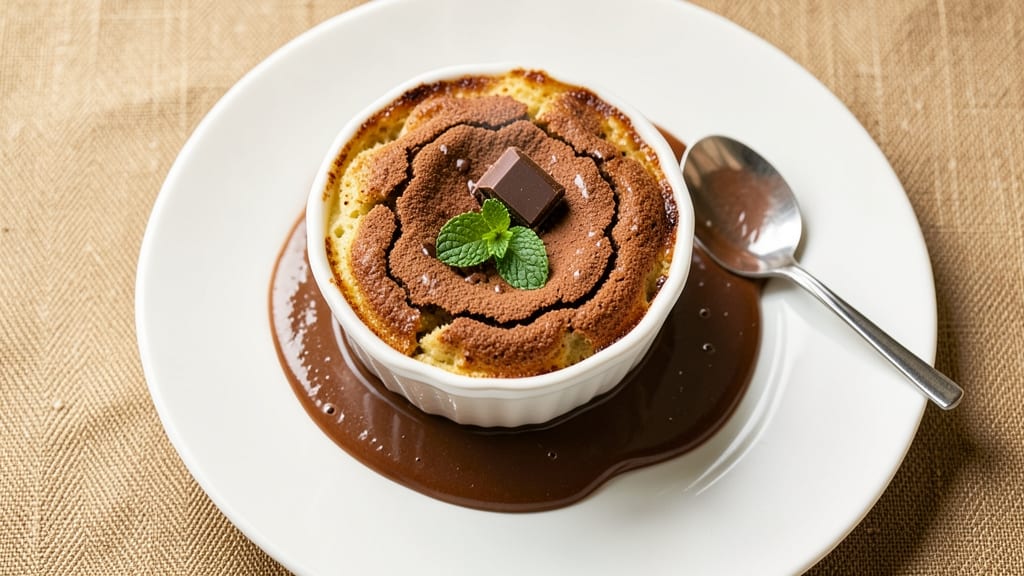
This bittersweet chocolate souffle delivers the perfect balance of airy elegance and deep cocoa richness—every bite is a revelation of lightness with a velvety center.
The secret lies in tempering the chocolate properly and whipping egg whites to stiff peaks, creating that signature cloud-like texture that collapses into a decadent puddle. I've perfected this technique over years of trial and error, ensuring your souffle rises dramatically in the oven and serves with restaurant-worthy presentation.
The foundation of a successful souffle begins with precise technique: folding melted chocolate into whipped egg whites with gentle, deliberate motions to maintain those air pockets. Baking at 350°F ensures even heat distribution, while a water bath prevents cracking.
The result is a souffle with crisp edges and a tender, molten center that melts on the tongue—proof that delicate desserts can be both impressive and foolproof when executed correctly.
What makes this recipe truly special is how it transforms simple ingredients into something extraordinary. Bittersweet chocolate provides that luxurious depth without overpowering the delicate structure, while vanilla and a pinch of salt enhance the flavor profile.
The plating is just as important as the baking—dusting with powdered sugar or garnishing with fresh berries elevates the presentation to match the sophistication of the dish.
Perfect for special occasions or when you want to impress without a complicated recipe, this souffle serves 4-6 and comes together in under 30 minutes of active time.
The key is confidence in the process—once you master the technique, you'll achieve consistent, show-stopping results every time. Let's get started on creating your own edible masterpiece.
Ingredients for bittersweet chocolate souffle
Six ingredients transform into a restaurant-worthy dessert with just 30 minutes of precision work.
| Ingredient | Amount | Notes |
|---|---|---|
| Bittersweet Chocolate (70% cocoa) 🍫 | 6 oz | High-quality, finely chopped |
| Large Eggs 🥚 | 6 whole | Room temperature preferred |
| Granulated Sugar 🍚 | ½ cup | Superfine preferred for smoothness |
| Unsalted Butter 🧈 | ¼ cup | Cold, cubed for tempering |
| Pure Vanilla Extract 🌿 | ½ tsp | High-quality Madagascar preferred |
| Fine Sea Salt 🧂 | ¼ tsp | Kosher preferred for delicate balance |
| Powdered Sugar 🍚 | ¼ cup | For dusting and garnish |
| Heavy Whipping Cream 🥛 | ¼ cup | Optional for plating |
| Fresh Raspberries 🍓 | ½ cup | For elegant garnish |
The chocolate is non-negotiable—Valrhona or Callebaut bittersweet (70% cocoa) delivers that velvety depth without bitterness. Gourmet stores or specialty sections at Williams Sonoma carry these brands, but a high-quality supermarket option like Ghirardelli works too. Chop it finely for even melting; avoid pre-shredded bags which contain anti-caking agents that alter texture. Room-temperature eggs are critical—they whip to stiffer peaks, which is essential for that signature rise. Separate whites and yolks immediately after cracking to prevent any yolk contamination, which deflates the meringue instantly.
No vanilla extract? Seeds from one vanilla bean work beautifully, though they require scraping. For sugar, super-fine is ideal, but pulse regular granulated in a food processor for 30 seconds if needed. The butter must be cold—cut it into small cubes and chill for 30 minutes before tempering. Salt is often overlooked, but that 0.25 tsp enhances every flavor note. For plating, fresh raspberries add a bright contrast to the rich chocolate; frozen berries thawed and patted dry work in a pinch. The heavy cream, if used, should be chilled and whipped separately for a lighter garnish.
Chopped chocolate keeps for 3 months in an airtight container at room temperature, away from sunlight. Egg whites lose potency after 3 days in the fridge—use fresh for best results. The powdered sugar should be stored in a sealed container to prevent clumping. For make-ahead convenience, prepare the batter up to 24 hours ahead and refrigerate; bring to room temperature before baking. Leftover soufflés? Slice and freeze for 1 month—reheat briefly in the microwave for a quick dessert.
Why You'll Love This Recipe
- No-Fuss Technique: I swear by the double-boiler method here—it’s foolproof, even if I burn toast. The moment the eggs and sugar hit 160°F, you’re golden. No whisking arms or guesswork.
- Rich, Unapologetic Chocolate: That 70% cocoa melts into a velvety, slightly tart cloud—no milk chocolate sweetness here. A whisper of vanilla ties it all together, but the real star? The crisp shell hugging the gooey center.
- Date-Night Ready: Serve it warm with a dusting of cocoa or a scoop of vanilla ice cream, and suddenly you’ve got restaurant vibes. Honestly, it’s the dessert that makes me feel like I tried.
- Leftovers? Still Magic: Even the next day, reheated gently, it’s still worth eating straight from the fridge. (Yes, I’ve done it.) The texture shifts slightly, but the flavor? Still dangerously good.
Step-by-step instructions for bittersweet chocolate soufflé
Precision timing and gentle technique transform simple ingredients into a towering, airy masterpiece.
Temper the Egg Whites to Peak Stiffness
Separate the 6 whole large eggs, placing yolks in a heatproof bowl and whites in a spotlessly clean, grease-free mixing bowl. Position the yolk bowl over a pot of simmering water, ensuring the bottom doesn't touch—you want gentle, indirect heat. Whisk the yolks constantly until they reach 160°F (about 8-10 minutes), thickening to a pale, custard-like consistency.
While the yolks temper, prepare your stand mixer with the whisk attachment. Add the 6 oz finely chopped bittersweet chocolate and 0.5 cup granulated sugar to the yolk mixture. Whisk over low heat until completely melted and smooth, then remove from heat. Stir in the 0.5 tsp pure vanilla extract and 0.25 tsp fine sea salt. This chocolate base must be perfectly smooth—any lumps will disrupt the soufflé's delicate structure.
Incorporate Yolks into Chocolate Base
With the mixer running on low speed, gradually pour the tempered yolk mixture into the egg whites. Use a spatula to gently fold, creating ribbons that disappear into the whites without deflating them. The goal is to combine without incorporating excess air—this is where soufflés often fail. Stop mixing when the batter is uniformly colored but still thick and glossy, with no visible streaks of chocolate.
Transfer the batter to a piping bag fitted with a large round tip. Fill six 6-ounce ramekins exactly ⅔ full, tapping gently to remove air bubbles. The batter should sit just below the rim—overfilling causes spillage when rising. Place ramekins in the refrigerator while you prepare the oven, as cold batter rises more predictably.
Bake with Precision Temperature Control
Preheat your oven to 375°F using the upper third only. Place ramekins on a baking sheet lined with parchment paper. Bake for exactly 12-14 minutes—no longer—until the soufflés have risen to nearly double their original height and the edges are set but the centers still jiggle slightly. Overbaking collapses the structure; underbaking leaves them too soft.
I use the "finger test" to judge doneness: gently press the center with a fingertip. It should spring back with just a slight indentation. Remove immediately and let rest for 2 minutes before serving—this brief pause allows the centers to set while maintaining their airy texture. The soufflés will sink slightly as they cool, but proper technique ensures they remain light and tender.
Garnish and Serve Immediately
While soufflés rest, whip the 0.25 cup heavy whipping cream to soft peaks. Dust each soufflé generously with 0.25 cup powdered sugar using a fine-mesh sieve, then pipe a rosette of whipped cream on top. Arrange 0.5 cup fresh raspberries around the base for color contrast. Serve immediately—these soufflés deflate rapidly once removed from the oven.
The key to presentation lies in the contrast: the powdered sugar adds sweetness without heaviness, while the raspberries provide tartness and visual appeal. Each bite should deliver the delicate chocolate flavor with a melt-in-your-mouth texture. For best results, serve at room temperature, allowing the contrast between the warm soufflé and cool garnishes to enhance the dining experience.
Pro Tips For Making Bittersweet Chocolate Souffle
- Temper the Chocolate: Melt the bittersweet chocolate gently over a double boiler—never microwave it. I learned this the hard way when my chocolate seized up mid-whisking, turning the whole batch grainy. A water bath keeps it smooth and glossy, so it folds into the egg mixture like a dream.
- Separate Eggs Cold: Crack the eggs into a bowl first, then separate them over a separate bowl—no shells in the whites. After burning three batches from stray shell fragments, I now use a fine-mesh sieve to strain the whites before whipping. Yes, it’s extra work, but your soufflé’s rise depends on it.
- Whip Whites to Stiff Peaks: Stop folding the whites into the chocolate base when they hold a peak that bends slightly at the tip—not when they’re dry and crumbly. Over-whipped whites collapse faster, and your soufflé will deflate before it even hits the oven. Test with a spatula: if it leaves clean lines, you’re good.
- Preheat Oven to 375°F: No, 350°F isn’t aggressive enough for this recipe. A hot oven (375°F) guarantees a quick rise and a crisp crust before the center sets—critical for bittersweet chocolate, which can turn dull if undercooked. Place the ramekins on a baking sheet to catch any spills, then shove them to the middle of the oven.
Serving suggestions for this recipe
Dusting Perfection
Use a fine-mesh sieve to dust powdered sugar over each soufflé—this creates a delicate, snowy effect that contrasts beautifully with the deep cocoa. I like to hold the sieve 4-6 inches above the soufflé and tap gently to distribute evenly.
For extra elegance, sift through a strainer first to remove any lumps. 💫
Fruit Contrast
Fresh raspberries add a vibrant pop of color and tartness that cuts through the richness. Arrange them in a loose circle around the base of the ramekin, leaving space for the soufflé to rise.
For a more dramatic presentation, halve the berries and fan them out. If using frozen berries, thaw and pat very dry with a paper towel to prevent sogginess.
Creamy Accents
Whip heavy whipping cream to soft peaks and pipe a rosette on top of each soufflé. For a lighter touch, fold 1 tsp powdered sugar into the cream before piping.
I prefer a star tip for decorative swirls, but a round tip works too. Chill the piping bag in the fridge for 10 minutes before using for cleaner lines.
Warm Plating
Serve soufflés immediately on warm ramekins—the contrast between the warm dessert and cool plate enhances the dining experience. For a restaurant-style presentation, place each ramekin on a chocolate-dusted plate or a simple white charger.
Garnish with edible gold leaf or a sprinkle of flaky sea salt for an extra touch of sophistication.
Portion Control
These soufflés are delicate and best enjoyed fresh, so I recommend serving 1 per person for a truly indulgent experience. For larger gatherings, consider making mini soufflés in 4-ounce ramekins—they bake faster and allow for more creative garnishes.
Always serve with espresso or red wine to complement the chocolate flavors.
Make-Ahead Garnishes
Prepare garnishes ahead of time to streamline serving. Whip the cream and store it in an airtight container in the fridge for up to 24 hours.
Keep raspberries refrigerated and pat dry just before plating. For a winter variation, substitute berries with candied citrus peel or toasted hazelnuts for a nutty contrast.
Nutrition facts
Frequently asked questions
Why does my chocolate souffle collapse after baking?
Collapsing usually happens from two main issues: overmixing the egg whites (which deflates them) or opening the oven door too soon. The batter should be gently folded until just combined, and soufflés need to bake undisturbed at 375°F for exactly 12-14 minutes. Also ensure your ramekins are exactly ⅔ full—overfilling causes spillage and uneven rising.
Can I substitute dark chocolate for bittersweet?
Yes, but adjust the cocoa percentage carefully. Dark chocolate with 60-65% cocoa works best—any higher and the bitterness may overpower the delicate structure. Use the same quantity (6 oz) and ensure it's finely chopped for even melting. For extra richness, add 1 extra tablespoon of butter to compensate for the lower fat content in some dark chocolates.
How do I fix lumpy chocolate in the batter?
If you see lumps after melting, strain the chocolate mixture through a fine-mesh sieve before folding into egg whites. For stubborn lumps, gently press the mixture through with a spatula. Never force mix—this incorporates air and risks deflating your soufflé. Always chop chocolate finely before melting to prevent clumping in the first place.
Can I make this souffle ahead of time?
You can prepare the batter up to 24 hours ahead and refrigerate it, but bake just before serving. The soufflés must be fresh from the oven for that signature rise. For make-ahead convenience, prepare all garnishes (whipped cream, berries) the day before and store properly. The chocolate base keeps for 3 days in the fridge if stored in an airtight container.
What's the secret to getting the perfect rise?
The magic happens in three steps: room-temperature eggs, cold ramekins, and precise baking time. Place ramekins in the freezer for 10 minutes before filling, and never overfill beyond ⅔ capacity. The oven must be fully preheated to 375°F before inserting, and use the upper rack only for even heat distribution.