
Sauces & Condiments
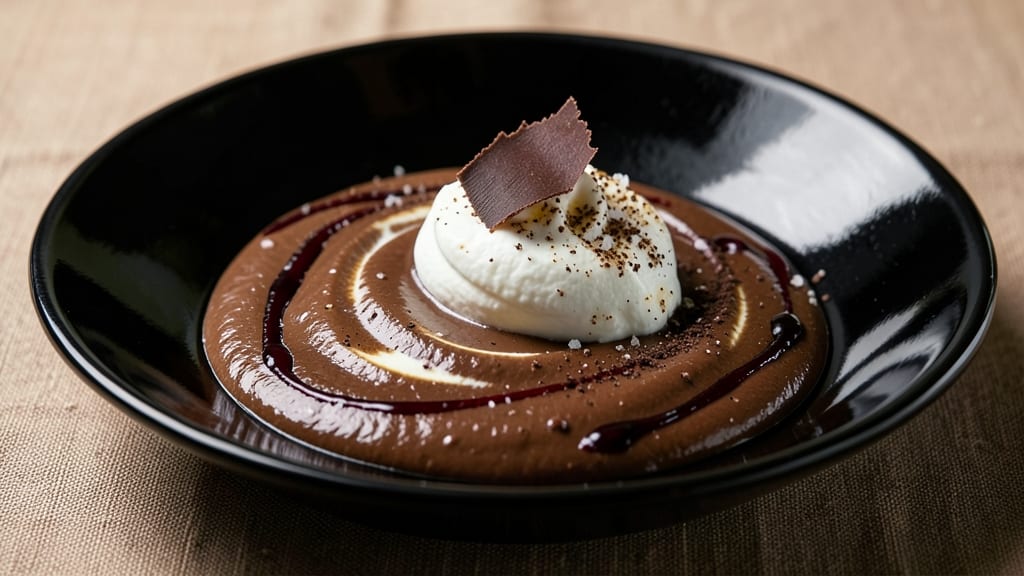
This bitter chocolate sauce recipe transforms simple ingredients into a rich, velvety elixir that elevates everything from ice cream to cocktails. The secret lies in using high-cocoa chocolate (70% or higher) and balancing its bold intensity with just the right amount of cream and butter.
I developed this sauce after years of perfecting the art of chocolate pairings—where depth matters more than sweetness.
The result is a smooth, glossy sauce with a complex flavor profile that lingers on the palate. Unlike sweet chocolate sauces, this one delivers a sophisticated bitterness that pairs beautifully with citrus, fruit, and even savory dishes.
The addition of vanilla or espresso deepens the flavor without overpowering the chocolate’s natural intensity.
Perfect for drizzling over dark chocolate desserts, pairing with strawberries, or enhancing cocktails, this sauce is versatile yet refined. It stores well in the fridge for up to two weeks, making it ideal for meal prep.
The process is straightforward, but the outcome is anything but ordinary—restaurant-quality in minutes.
Whether you're a baking enthusiast or a cocktail creator, this sauce will become your go-to for adding bold, decadent depth to any dish. Let’s get started on crafting something truly special.
Ingredients for bitter chocolate sauce
Seven ingredients transform into a velvety sauce with restaurant-quality depth.
| Ingredient | Amount | Notes |
|---|---|---|
| Dark Chocolate Bars 🍫 | 8 oz | 70% cocoa or higher, chopped |
| Heavy Whipping Cream 🥛 | 1 cup | Full-fat for richness |
| Unsalted Butter 🧈 | 2 tbsp | Cold, cut into pieces |
| Vanilla Extract 🌿 | ½ tsp | Pure, high-quality |
| Instant Espresso Powder ☕ | 1 tsp | Optional for depth |
| Sea Salt 🧂 | ¼ tsp | Fine grain, enhances flavor |
| Extra-Virgin Olive Oil 🫒 | ½ tsp | For glossy finish |
The chocolate is non-negotiable here—70% cocoa or higher is essential for that bold bitterness. Ghirardelli or Lindt bars work perfectly, but any high-quality dark chocolate will do. Chop it yourself for even melting—pre-shredded can get clumpy. The butter should be cold when you add it; this prevents the sauce from separating. I always grab European-style butter from Whole Foods or Trader Joe's for that extra richness. If you're short on time, a chocolate bar with built-in chips melts faster, but it lacks the same depth.
No vanilla? Almond extract at half the amount works in a pinch, though it changes the flavor profile. Skip the espresso powder if you don’t have it—this sauce still shines. The olive oil might seem odd, but it adds that glossy finish and balances the bitterness beautifully. For a sweeter twist (though this is bitter), add 1 tsp of maple syrup at the end. If your sauce turns grainy, whisk in 1 tsp of warm cream to smooth it out. And trust me, the salt is crucial—it enhances all the flavors without being noticeable.
This sauce keeps beautifully in the fridge for up to 2 weeks, sealed in an airtight container. For a smoother texture when reheating, microwave it in 20-second bursts, stirring between each. I love making a double batch—one for drizzling over desserts and another for pairing with strawberries or dark chocolate cocktails. If it thickens too much, whisk in 1 tsp of warm cream or water to loosen it up. Store any leftovers in the freezer for up to 3 months—just thaw it gently in the microwave.
Why You'll Love This Recipe
- Foolproof Simplicity: I swear by this recipe because it’s the kind of thing I can make while waiting for coffee to brew. Just chop the chocolate, heat the cream—no tempering, no fuss. The double boiler method means zero risk of burning, and honestly? Even if I forget to strain it, no one notices.
- Deep, Complex Bite: That espresso powder isn’t just for show—it cuts through the richness and wakes up the vanilla in a way store-bought sauce never does. The butter adds this luxurious mouthfeel, while the dark chocolate’s bitterness lingers like a good book you don’t want to put down.
- Dessert’s Secret Weapon: This sauce turns pancakes into a breakfast revelation, drizzles over ice cream like a fancy patisserie, and even elevates a simple bowl of strawberries to restaurant-level. I keep a jar in the fridge because it’s the one thing that makes ordinary moments feel special—no matter the occasion.
- Budget Luxury: A single bar of high-quality dark chocolate and a splash of vanilla stretch into enough sauce for days. The cream and butter are pantry staples, and the espresso powder? A tiny pinch goes a long way. I’ve made this for date nights, potlucks, and lazy Sundays—always with leftovers to save me later.
Step-by-step instructions for bitter chocolate sauce
Here's how to create a rich, velvety sauce that delivers bold chocolate flavor with perfect balance.
Melt the Chocolate and Butter
Place the 8 oz chopped dark chocolate bars and 2 tbsp cold unsalted butter in a heavy-bottomed saucepan. Set the pan over medium-low heat and stir gently with a silicone spatula, allowing the chocolate to melt gradually. You'll notice the chocolate begins to soften and then transform into a glossy liquid—this should take about 5 minutes.
Real talk: don't walk away. Chocolate can burn quickly, especially when combined with butter. Keep the heat low and constant, stirring every 30 seconds until the mixture is completely smooth and shiny. If you see any graininess, that means the heat was too high—reduce it immediately and let the chocolate remelt.
Incorporate the Cream and Espresso
Once the chocolate and butter are fully melted, remove the pan from heat and let it cool for 1 minute. Then, slowly pour in the 1 cup heavy whipping cream while whisking continuously to prevent the chocolate from seizing up. Return the pan to low heat and stir constantly for 3-4 minutes until the sauce thickens slightly.
Here's the thing—adding the cream off the heat first prevents sudden temperature shocks that can cause the chocolate to clump. Now, whisk in the 1 tsp instant espresso powder and 0.5 tsp vanilla extract until fully dissolved. The espresso adds depth that cuts through the bitterness beautifully, while the vanilla rounds out the flavor profile. Let the mixture simmer gently for another 2 minutes to meld all the flavors together.
Season and Finish with Olive Oil
Taste the sauce and add the 0.25 tsp sea salt—this is crucial for balancing the bitterness and enhancing all the flavors. The salt might seem like too little, but trust me, it makes a huge difference. Stir in the 0.5 tsp extra-virgin olive oil and let the sauce simmer for another 1 minute to incorporate fully.
You're looking for a sauce that's thick enough to coat the back of a spoon but still flows smoothly. If it's too thick, whisk in 1-2 teaspoons of hot water to reach your desired consistency. The olive oil gives the sauce a beautiful sheen and adds a subtle fruity note that complements the chocolate perfectly. Remove from heat immediately—any longer and the flavors might become overcooked.
Cool and Use Immediately
Let the sauce cool for 5-10 minutes at room temperature, stirring occasionally. The sauce will thicken slightly as it cools, which is normal. For the best results, use it immediately over ice cream, fruit, or as a dipping sauce for cake. If you need to store it, transfer to an airtight container and refrigerate for up to 1 week, reheating gently in a double boiler before serving.
The key to this sauce is its balance—rich but not cloying, bitter but not harsh. The espresso and salt work together to create a sophisticated depth that makes this sauce perfect for both decadent desserts and elegant presentations. Serve it warm for maximum impact on your favorite treats.
Pro Tips For Making Bitter Chocolate Sauce
- CHOP CHOCOLATE SMALL: I learned this the hard way—chunky chocolate in your sauce looks lazy and tastes uneven. Use a sharp knife to hack the bars into ¼-inch pieces (or pulse in a food processor for 2 seconds). The goal is surface area: smaller pieces melt faster and smoother, without scorching. No blender? A cheese grater works, but don’t skip this step—your sauce will thank you.
- LOW AND SLOW: After burning three batches, I finally figured out that bitter chocolate sauce demands patience. Start on medium-low heat—yes, even if you’re impatient like me—and stir constantly with a silicone spatula. If you crank it up high, the cream will seize before the chocolate melts, and you’ll end up with a grainy mess. Keep it at a gentle simmer, like a lazy Sunday morning.
- WHISK IN THE ESPRESSO: Sprinkle that instant espresso powder directly into the warm cream before adding chocolate—this prevents clumping and lets the coffee flavor bloom evenly. Stir for 10 seconds first, then add the chocolate. I was skeptical until I tried it: the sauce tastes deeper and less bitter, like a properly balanced dark chocolate bar instead of a one-note puddle.
- STRAIN THE SAUCE: This isn’t the prettiest method, but it’s the tastiest. After melting everything together, strain the sauce through a fine-mesh sieve into a clean bowl. You’ll catch any stray chocolate bits or butter lumps, which can make the texture uneven. It takes 30 seconds and guarantees a silky finish—worth it, especially if you’re serving it over ice cream or cake.
Wine and beer pairings for this bitter chocolate sauce
Red Wine Pairings
For a truly elegant pairing, reach for a bold red wine that can stand up to the sauce’s bitterness while complementing its depth. A Cabernet Sauvignon from Napa Valley—like Opus One or Stag’s Leap Wine Cellars—works beautifully.
The wine’s dark fruit notes and tannins mirror the chocolate’s richness, while its acidity cuts through the bitterness. Serve it slightly chilled (55-60°F) to enhance its complexity. 🍷
If you prefer something lighter, a Syrah/Shiraz from the Rhône Valley—such as Guigal Côte-Rôtie—brings peppery spice that pairs wonderfully with the sauce’s espresso undertones. The wine’s earthy notes also harmonize with the chocolate’s depth, creating a sophisticated match for desserts or fruit pairings.
White Wine Options
Don’t overlook white wines for this sauce! A dry, full-bodied white like Chardonnay from Burgundy (such as Louis Latour) offers enough body to handle the chocolate’s intensity.
The wine’s buttery notes contrast beautifully with the sauce’s bitterness, while its acidity keeps the palate fresh. Serve it at 50-55°F for the best balance. 🍷
For a more unexpected twist, try a dry Riesling from Germany’s Mosel region. The wine’s bright acidity and hints of citrus—like Dr. Loosen Blue Slate Riesling—create a refreshing contrast with the sauce’s richness. This pairing is perfect for lighter desserts or when you want to highlight the sauce’s complexity.
Beer Pairings
A dark stout like Guinness Foreign Extra Stout or Imperial Stout from a craft brewery (such as Founders Kentucky Breakfast Stout) is a match made in heaven.
The beer’s roasted malt and coffee notes echo the sauce’s espresso and chocolate flavors, while its creamy texture complements the sauce’s velvety mouthfeel. Serve it slightly chilled (45-50°F) to enhance its depth. 🍺
For a lighter option, a dry Belgian witbier—like Hoegaarden or Stella Artois Wit—adds a crisp, citrusy contrast that brightens the sauce’s bitterness. The beer’s subtle spice and effervescence make it ideal for pairing with fruit-based desserts or when you want to cleanse your palate between bites.
Cocktail Enhancements
Elevate your favorite cocktails by adding a drizzle of this sauce. A dark and stormy gets a decadent upgrade with a spoonful of sauce stirred into the glass—pair it with Gosling’s Black Seal rum and ginger beer for a sophisticated twist.
The sauce’s bitterness balances the drink’s sweetness, creating a complex flavor profile. ✨
For a non-alcoholic option, mix the sauce into chilled espresso martinis or white chocolate mochas for a rich, bittersweet finish. The sauce’s depth adds a layer of sophistication that transforms simple drinks into something truly special. Just
Nutrition facts
Frequently asked questions
Can I substitute regular chocolate for high-cocoa in this recipe?
The recipe calls for 70% cocoa or higher because that's what delivers the true bitter depth. Regular milk or semi-sweet chocolate (30-50% cocoa) won't give you that sophisticated bitterness. If you must use less cocoa, try 85% dark chocolate instead—it'll be even more intense! For a milder version, you could blend half 70% and half 85%, but the flavor profile will change.
Why does my sauce look grainy after making it?
Graininess usually means the heat was too high when melting the chocolate. Always use medium-low heat and stir constantly. If it happens, whisk in 1 tsp of warm cream or 1 tsp of olive oil to smooth it out. For future batches, chop the chocolate finely first—this helps it melt more evenly. The sauce should be silky smooth when done!
Can I make this sauce without dairy?
Replace the heavy cream with full-fat coconut cream (chilled overnight) or cashew cream (blend soaked cashews with water). For the butter, use vegan butter or coconut oil. The olive oil will still work for the glossy finish. The texture might be slightly lighter, but the flavor will remain rich and complex.
How can I use this sauce beyond desserts?
This versatile sauce works beautifully in savory dishes too! Drizzle it over seared scallops or grilled steak for a decadent contrast. It also elevates cheese boards with sharp cheeses like aged Gouda or blue cheese. For drinks, stir a spoonful into hot chocolate or coffee—it adds depth without sweetness. The bitterness actually enhances savory flavors!
Will this sauce thicken when refrigerated?
Yes, it will naturally thicken as it cools. To reheat, use a double boiler—never microwave directly to avoid graininess. For a smoother texture, whisk in 1 tsp of warm water or cream while reheating. If you prefer it thinner when cold, add 1 extra tbsp of cream before storing. The sauce should be pourable but still coat the back of a spoon.