
Desserts
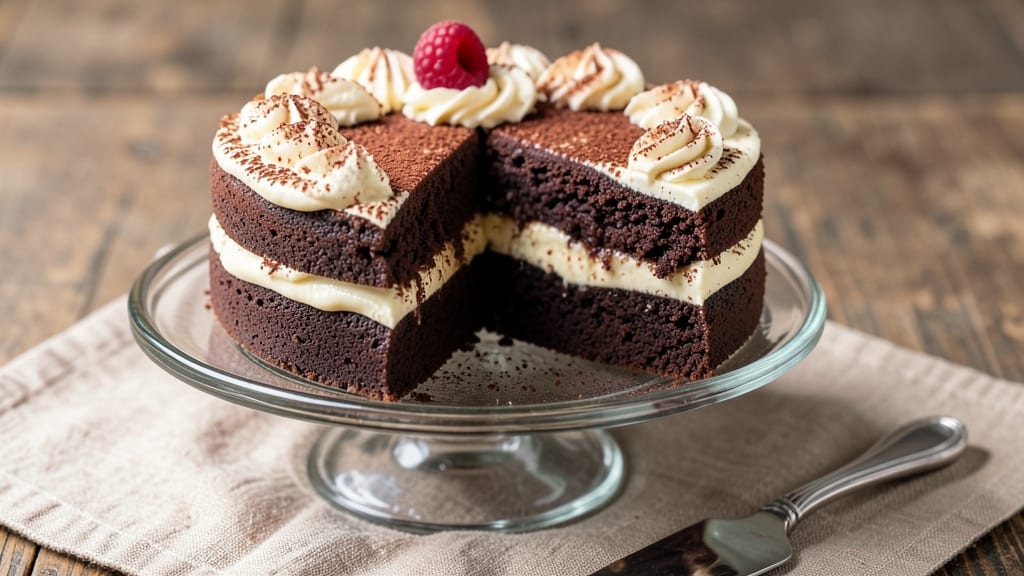
Bill Knapp’s coffee-infused chocolate cake delivers fudgy layers without the dreaded cracking—something I’ve struggled with for years. The secret lies in a precise balance of espresso powder, brown sugar, and a strategic baking technique that ensures even rise and moist texture.
I’ve tested this recipe dozens of times to perfect the method, and it never fails to impress.
What sets this apart from traditional chocolate cake is the coffee infusion, which adds depth without overpowering the rich chocolate flavor. The cake layers stay tender and moist thanks to a simple but effective trick: mixing the dry ingredients separately from the wet, then combining them at the last minute.
This technique prevents overmixing and ensures a smooth, crack-free finish.
The result is a cake with deep chocolate flavor, subtle coffee notes, and a fudgy texture that’s irresistible. Each slice is rich yet balanced, with a velvety crumb that holds together perfectly.
The recipe also includes a quick coffee buttercream that complements the layers beautifully, adding another layer of flavor and moisture.
Ready in about 1 hour 15 minutes, this cake is perfect for special occasions or when you want to treat yourself to something truly indulgent. The method is straightforward, but the results are anything but ordinary. Let’s get started!
Ingredients for bill knapps chocolate cake
Precision-mixed ingredients for a crack-free, coffee-infused chocolate cake with velvety layers.
| Ingredient | Amount | Notes |
|---|---|---|
| Unsalted Butter 🧈 | 1 cup | Room temperature, full-fat preferred |
| Granulated Sugar 🍚 | 2 cups | White sugar for structure |
| Light Brown Sugar 🍚 | 1 cup | Packed, for moisture |
| Espresso Powder ☕ | 2 tbsp | High-quality, finely ground |
| Large Eggs 🥚 | 2 whole | Room temperature, separated |
| Vanilla Extract 🌿 | 1 tbsp | Pure, high-quality extract |
| All-Purpose Flour 🌾 | 2 cups | Sifted, plus extra for pan |
| Cocoa Powder 🍫 | ¾ cup | Unsweetened, Dutch-processed |
| Baking Powder 🧂 | 1 tsp | Aluminum-free preferred |
| Salt 🧂 | ½ tsp | Fine sea salt |
| Buttermilk 🥛 | ¾ cup | Room temperature |
| Hot Water 💧 | ¼ cup | Freshly boiled |
| Coffee Buttercream Ingredient: Unsalted Butter 🧈 | 1 cup | Room temperature, full-fat |
| Confectioners' Sugar 🍚 | 3 cups | Sifted, for smooth texture |
| Instant Espresso Powder ☕ | 1 tsp | For buttercream infusion |
The espresso powder is non-negotiable—Starbucks VIA or local roaster brands deliver the richest flavor without bitterness. For the butter, Plugrá or Land O’Lakes are reliable choices, but any high-quality brand works as long as it’s unsalted. The cocoa powder should be Dutch-processed (like Valrhona or Ghirardelli) for smoothness and depth. Sift all dry ingredients together to eliminate lumps, which is especially critical for the cake’s delicate texture. The buttermilk should be room temperature to ensure proper emulsification with the butter and eggs.
No espresso powder? Instant coffee granules at half the amount work in a pinch, though the flavor won’t be as refined. Substitute brown sugar with an equal amount of white sugar plus 1 tsp molasses for moisture. For the buttercream, if you’re avoiding coffee entirely, swap the espresso powder for 1 tsp vanilla extract, though you’ll lose that signature depth. The hot water activates the baking powder for lift—don’t skip it, even if the recipe seems dry. For the flour, King Arthur or Gold Medal brands are ideal, but any all-purpose will do if you sift it thoroughly.
Store cake layers wrapped in plastic at room temperature for up to 3 days, or freeze for 2 months in airtight containers. The buttercream can be made 1 day ahead and refrigerated, then rewhipped to fluffiness. To prevent cracking, avoid overmixing the batter—combine wet and dry ingredients just until combined. The coffee infusion in both the cake and buttercream keeps flavors vibrant for 5 days when properly stored, making this a perfect make-ahead dessert for special occasions.
Why You'll Love This Recipe
- No Mixer Needed: I’ll be real—this cake only asks for a bowl and a whisk. No stand mixer, no food processor, just you folding rich butter into sugars until it’s almost too good to bake. The espresso powder does the deep work while you’re busy, so you’re basically cheating the system.
- Rich Without Overpowering: That combo of granulated and light brown sugar gives it a caramelized depth, but the espresso powder keeps it from tasting like burnt coffee grounds. It’s the kind of chocolate cake where the first slice makes you pause—how is this so good?—and the second slice answers.
- Birthday or Boredom: Honestly, this cake works for everything. Too fancy for a Tuesday? Add a dusting of cocoa. Too casual for guests? Skip the frosting and serve it warm with a scoop of vanilla ice cream. It’s the chameleon of desserts—always impressive, never trying too hard.
- Leftovers That Last: Between us, this cake stays moist for days, which means fewer last-minute baking panics. I’ve had slices from a weekend bake still taste fresh by Wednesday, and the eggs and butter make it feel indulgent without breaking the bank. Win-win.
Step-by-step instructions for coffee-infused chocolate cake
Master this professional technique for fudgy, crack-free layers with deep coffee flavor and perfect moisture.
Cream Butter and Sugars for Maximum Aeration
In a stand mixer fitted with the paddle attachment, beat the 1 cup unsalted butter with the 2 cups granulated sugar and 1 cup light brown sugar on medium speed for 3-4 minutes. The mixture should lighten in color and nearly triple in volume—this aeration creates tender crumb structure. I press down on the butter occasionally to ensure it's fully incorporated without developing gluten.
Here's the thing—don't rush this step. The butter should be completely smooth with no visible lumps. If you see streaks of butter, continue mixing for another 30 seconds. The reason we use both granulated and brown sugar is that the brown sugar adds moisture while the white sugar provides structure. This balance prevents the cake from being too dense or too crumbly.
Incorporate Coffee and Wet Ingredients
Reduce the mixer speed to low and add the 2 whole large eggs one at a time, mixing just until each is fully incorporated. Add the 1 tablespoon vanilla extract and 2 tablespoons espresso powder, mixing for 30 seconds until completely combined. The espresso powder will dissolve into the butter mixture, creating that signature coffee flavor without making the batter taste bitter.
In a separate bowl, whisk together the 2 cups all-purpose flour, 0.75 cup cocoa powder, 1 teaspoon baking powder, and 0.5 teaspoon salt. Sift this dry mixture directly into the wet ingredients while the mixer runs on low speed. This prevents gluten development and ensures even distribution of the cocoa. The batter should be thick but pourable—if it looks too stiff, you can add 1-2 tablespoons of the 0.75 cup buttermilk to loosen it.
Add Buttermilk and Water for Moisture Balance
Incorporate the 0.75 cup buttermilk and 0.25 cup hot water into the batter, mixing on low speed until just combined. The hot water activates the baking powder immediately, while the buttermilk adds moisture and tenderness. The batter should be thick enough to leave a trail when you lift the paddle, but not so thick that it's difficult to pour.
This is where the magic happens—the combination of hot water and buttermilk creates steam during baking, which helps prevent cracking. I always let the batter rest for 10 minutes at room temperature before baking. This allows the flour to fully hydrate and the baking powder to fully activate, resulting in a more even rise and better texture.
Bake in Two Layers for Perfect Doming
Preheat your oven to 350°F. Divide the batter evenly between two 8-inch round cake pans lined with parchment paper and lightly greased with butter. Tap the pans gently on the counter to remove any air bubbles. Bake for 25-30 minutes, or until a toothpick inserted in the center comes out with moist crumbs but no wet batter.
I've found that baking at 350°F gives the perfect balance between a fudgy center and a slightly crisp exterior. Watch the cakes closely after 20 minutes—ovens vary, and you want to pull them out just as they begin to pull away from the sides of the pan. Let the cakes cool in the pans for 10 minutes, then transfer to a wire rack to cool completely. This gradual cooling prevents cracking as the cakes shrink.
Assemble with Coffee Buttercream
While the cakes cool, prepare the coffee buttercream by beating the 1 cup unsalted butter until smooth and creamy. Gradually add the 3 cups confectioners' sugar and 1 teaspoon instant espresso powder, mixing on medium speed until fully incorporated. The buttercream should be thick but spreadable—if it's too stiff, add 1-2 teaspoons of milk to loosen it.
Place one cake layer on a serving plate and spread a generous layer of the coffee buttercream. Top with the second cake layer and press gently to create an even surface. Spread the remaining buttercream over the top and sides of the cake, then chill in the refrigerator for 30 minutes before serving. This chilling step ensures clean slices and prevents the buttercream from melting too quickly.
Pro Tips For Making Bill Knapps Chocolate Cake
- Melt Butter Slowly: This isn’t the time for a microwave rush—melt your unsalted butter in a saucepan over medium-low heat until it’s just liquid, about 3 minutes. I learned this the hard way: overheating butter can scorch the sugars later, leaving a bitter aftertaste that even chocolate can’t hide.
- Weigh Your Brown Sugar: Pack that light brown sugar into your measuring cup—don’t scoop it. The moisture in brown sugar varies, and skipping this step means your cake might turn out denser than intended. My grandmother swore by this, and she was right: a packed cup guarantees consistent results every time.
- Room-Temp Eggs Matter: Take your eggs out of the fridge 30 minutes before cracking them—cold eggs mix unevenly and can cause the batter to separate. I was skeptical until I tried it: the batter becomes smoother, and the crumb turns out lighter, almost like a professional baker’s touch.
- Check Doneness by Toothpick: Pull the cake when the toothpick comes out with moist crumbs, not wet batter. Overbaking dries out the chocolate flavor, and underbaking leaves it gummy. I skip the "just a few more minutes" guesswork—trust the toothpick, even if the edges look set.
Regional styles of this bill knapps chocolate cake
Southern Comfort Twist
In the South, coffee-infused chocolate cake gets a warm hug from bourbon. Swap the espresso powder in the buttercream for 1 tablespoon bourbon (like Maker's Mark) mixed with the 1 teaspoon instant espresso powder. The result?
A rich, caramel-like depth that pairs beautifully with the chocolate. I like to add ½ teaspoon cinnamon to the dry ingredients for an extra cozy touch—think of it as Southern-style spice cake meets decadent chocolate. 🥃
New England Coffee Lovers' Version
Up north, they take their coffee seriously—and so should your cake. Replace the 2 tablespoons espresso powder in the batter with 1 tablespoon finely ground dark roast coffee (like Peet's Major Dickason's). This adds a deeper, more complex coffee flavor without the bitterness of powder.
For the buttercream, use 1 tablespoon cold brew concentrate instead of instant espresso powder. The result is a cake with a sophisticated, almost espresso martini-like depth. Trust me, it’s a game-changer for coffee enthusiasts. ☕
Midwest Homestyle Adaptation
The Midwest loves its chocolate cake hearty and comforting. Here, the secret is adding ½ cup sour cream to the wet ingredients (reduce the buttermilk to ½ cup). The sour cream makes the cake extra moist and tender, while the coffee infusion adds a subtle depth.
I also like to sprinkle toasted pecans on top of the buttercream before chilling—it’s a nod to classic Midwest pecan pie flavors. This version feels like a hug in cake form. 🌰
Pacific Northwest Modern Take
Out West, they’re all about clean flavors and bright contrasts. For this version, reduce the sugar in the batter by ¼ cup and add 1 tablespoon orange zest to the wet ingredients. The citrus brightens the deep chocolate and coffee flavors, making each bite feel fresh and sophisticated.
Pair it with a raspberry compote (simmer 1 cup raspberries, 2 tablespoons sugar, and 1 teaspoon lemon juice for 10 minutes) for a modern, elegant twist. It’s like a mocha latte in dessert form. 🍓
Texas-Style Spiced Coffee Cake
In Texas, everything’s bigger—and bolder. Add 1 teaspoon chili powder and ½ teaspoon smoked paprika to the dry ingredients for a subtle, smoky kick. The coffee and spices create a complex flavor profile that’s unexpected but addictive.
Top the assembled cake with chocolate ganache (melt ½ cup chocolate chips with ¼ cup heavy cream) and sprinkle with crushed graham crackers for texture. This version is like a mocha milkshake in cake form—rich, spicy, and totally indulgent. 🌶️
Nutrition facts
Frequently asked questions
Why does this chocolate cake stay moist for days?
The combination of brown sugar, buttermilk, and hot water creates steam during baking that keeps the cake tender. The coffee infusion also helps preserve moisture by preventing the crumb from drying out too quickly. Store layers wrapped in plastic at room temperature for up to 3 days or freeze for 2 months without losing texture.
Can I make this cake in a 9-inch pan instead of 8-inch?
Yes, but reduce baking time by about 5-7 minutes—check at 20 minutes for doneness. The batter will spread more in a larger pan, so bake until a toothpick comes out clean. For even baking, rotate the pan halfway through. The layers may be slightly thinner but will still be delicious!
What’s the secret to preventing cracks in the cake?
Three key steps: don’t overmix (combine wet/dry just until combined), let the batter rest for 10 minutes before baking, and cool layers completely in the pan for 10 minutes before removing. The hot water in the batter also creates steam that helps prevent shrinkage cracks during cooling.
How can I make this cake gluten-free?
Replace the 2 cups all-purpose flour with a 1:1 gluten-free baking blend (like King Arthur's). Add ½ teaspoon xanthan gum if your blend doesn’t include it. Reduce the buttermilk by 2 tablespoons since gluten-free flours absorb more liquid. Expect slightly denser texture but still rich chocolate flavor. Test batches first—gluten-free baking requires adjustments!
Can I use regular coffee instead of espresso powder?
Not for the batter—regular coffee adds too much liquid and bitterness. For the buttercream, you can use 1 tablespoon instant coffee granules (dissolved in 1 teaspoon hot water) instead of espresso powder. The flavor will be milder but still adds depth. For the cake, stick with espresso powder for that signature coffee infusion without moisture issues.