
Desserts
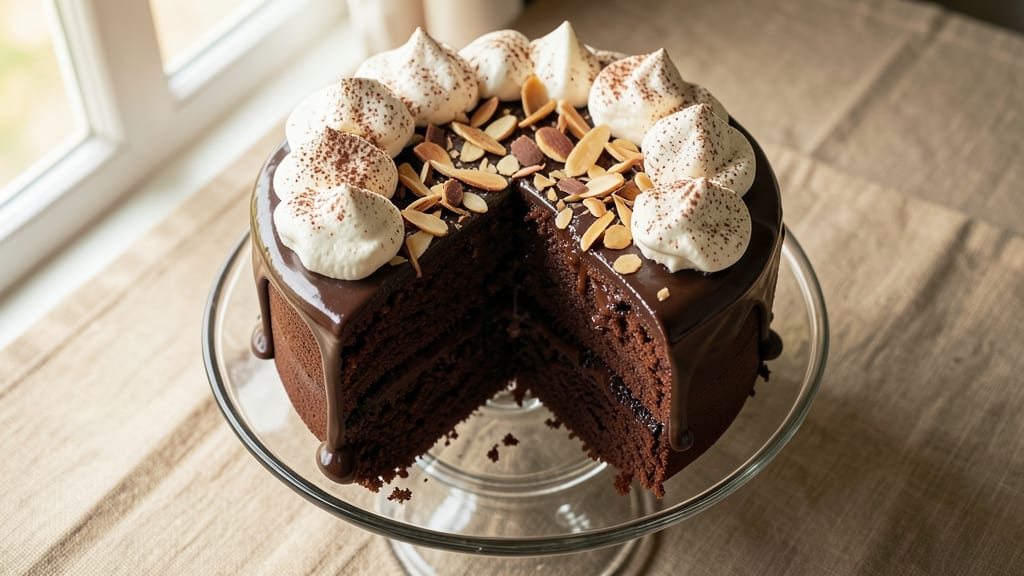
Betty Crocker's chocolate cake recipe from scratch delivers that classic, moist crumb and rich chocolate flavor you know and love—without ever opening a box.
The secret lies in properly creaming butter and sugar, then gently folding in cocoa powder for a tender yet sturdy texture that holds up to generous frosting.
I've perfected this version through years of baking, ensuring every layer stays perfectly moist with just the right balance of sweetness and cocoa intensity.
What sets this recipe apart is the attention to technique—starting with room-temperature butter and eggs creates a lighter crumb, while buttermilk adds moisture without making the cake dense.
The cake bakes at 350°F for even doneness, and the cooling process is just as important to maintain that signature Betty Crocker texture. This isn't just a chocolate cake; it's a celebration of classic baking methods that yield professional results at home.
By the time you're done, you'll have layers of rich chocolate cake with a velvety crumb that's perfect for slicing or layering with your favorite frosting. The aroma alone will have everyone gathering in the kitchen, and each bite delivers that familiar, comforting flavor you remember from childhood.
This is the kind of cake that becomes a family tradition.
Whether you're baking for a special occasion or just craving a classic treat, this recipe delivers restaurant-quality results with simple ingredients and straightforward techniques. The best part? You'll have the satisfaction of making something truly homemade—no shortcuts, just pure baking joy. Let's get started!
Ingredients for betty crocker chocolate cake recipe from scratch
Room-temperature butter, rich cocoa, and buttermilk—these are the pillars of Betty Crocker's legendary chocolate cake texture.
| Ingredient | Amount | Notes |
|---|---|---|
| Unsalted Butter 🧈 | 1 cup | Room temperature, softened |
| Granulated Sugar 🍚 | 2 cups | White or light brown |
| Cocoa Powder 🍫 | ¾ cup | Natural or Dutch-processed |
| Large Eggs 🥚 | 2 whole | Room temperature |
| Buttermilk 🥛 | 1 cup | Room temperature |
| All-Purpose Flour 🌾 | 2 cups | Sifted, spooned lightly |
| Baking Soda 🧂 | ½ tsp | Pure, not baking powder |
| Salt 🧂 | ½ tsp | Fine sea salt |
| Vanilla Extract 🌿 | 1 tsp | Pure, high-quality |
| Vegetable Oil 🫒 | ½ cup | Light or canola |
| Hot Water 💧 | ½ cup | For cocoa activation |
The butter is non-negotiable—room temperature is key for that signature light crumb. Crisco or Land O'Lakes work best for consistency, but any unsalted butter will do if you let it sit out for 1-2 hours. For the cocoa, Hershey's Special Dark or Ghirardelli Natural Cocoa deliver that deep, velvety flavor. If you're using Dutch-processed, add an extra pinch of baking soda to the batter. The buttermilk? Don't substitute with regular milk and vinegar—grab the carton from Trader Joe's or Whole Foods for the best results. Freshness matters here, so check the expiration date.
No buttermilk? 1 cup milk plus 1 tbsp vinegar works in a pinch, but let it sit for 10 minutes to thicken properly. Dutch-processed cocoa too bitter? Natural cocoa at half the amount balances the intensity. The vegetable oil keeps the crumb tender—Mazola or Crisco are classic choices, but any neutral oil works. For the sugar, light brown adds subtle molasses notes, but white keeps it classic. The vanilla extract should be pure—McCormick or Nielsen-Massey are reliable brands. Pro tip: Bloom the cocoa in hot water first for maximum flavor development (that's what the hot water is for).
This batter keeps for 2 days in the fridge if you want to prep ahead, but fresh is always better. Once baked, let the cake cool completely in the pan before frosting—at least 1 hour—or the frosting will slide right off. Store wrapped at room temperature for 3 days or freeze for 3 months. The secret to perfect slices? Use a serrated knife and warm it slightly under hot water before cutting. Trust me, it makes all the difference.
Why You'll Love This Recipe
- No Mixing Madness: I swear by the creaming method here—just butter, sugar, and a hand mixer until it’s light and fluffy. No measuring cups mid-whisk or wondering if you overmixed. The eggs and buttermilk fold in like butter (pun intended), and the cocoa powder dissolves smoothly. Honestly, my 12-year-old could handle this after watching a 3-minute YouTube clip.
- Rich Without Bitterness: That buttermilk keeps the crumb tender, while the cocoa powder delivers deep, velvety chocolate flavor—not the chalky aftertaste I’ve had in box mixes. The butter-to-sugar ratio? Spot-on. It’s the kind of cake that makes you close your eyes and sigh, even if you’re just sneaking a slice at midnight.
- Birthday or Boring Day: Slice it for a party, layer it with store-bought frosting for a last-minute dessert, or serve it plain with a scoop of ice cream when you’re too tired to care. Between us, I’ve used the leftovers for breakfast (yes, with whipped cream) and packed slices for my kid’s school bake sale. It’s the ultimate crowd-pleaser without trying too hard.
- Pantry Goldmine: You’re already using staples—no weird ingredients or specialty trips to the store. The butter and sugar are the stars, but the buttermilk adds that secret richness for pennies. And if you make a double batch? It freezes beautifully. I’ve pulled slices straight from the freezer for potlucks, and no one ever guessed they weren’t fresh-baked.
Step-by-step instructions for Betty Crocker's chocolate cake recipe from scratch
Here's how to create a decadent chocolate cake with layers of moist richness and perfect texture.
Create the Cocoa Mixture
In a medium bowl, whisk together the 1 cup unsalted butter and 2 cups granulated sugar until light and fluffy—about 3-4 minutes using an electric mixer. This step is crucial for incorporating air, which helps create that signature tender crumb. Scrape down the sides of the bowl occasionally to ensure even mixing.
Next, add the 0.75 cup cocoa powder and mix until smooth. Then pour in the 0.5 cup vegetable oil and continue mixing for another 30 seconds until fully combined. The batter should be thick and glossy at this stage. This is where the deep chocolate flavor begins to develop—don't rush this step, as proper emulsification ensures a rich final product.
Add Wet Ingredients
In a separate bowl, beat the 2 whole large eggs until frothy—about 1 minute—then add the 1 tsp vanilla extract and mix well. This step ensures the eggs are properly aerated, contributing to the cake's lightness. Gradually pour the egg mixture into the chocolate mixture while mixing on low speed to avoid over-aerating the batter.
In a small measuring cup, combine the 0.5 cup hot water with the 1 cup buttermilk. Slowly pour this mixture into the batter while mixing on low speed. The hot water activates the cocoa powder, intensifying the chocolate flavor while the buttermilk adds moisture and tenderness. Mix just until combined—overmixing can develop gluten and make the cake dense.
Incorporate Dry Ingredients
In a separate bowl, sift together the 2 cups all-purpose flour, 0.5 tsp baking soda, and 0.5 tsp salt. This ensures even distribution of leavening agents and prevents lumps in the final batter. Gently fold the dry ingredients into the wet mixture using a spatula, mixing just until no flour streaks remain. Be careful not to overmix—this is where texture control happens.
The batter should be thick but pourable. If it appears too stiff, you can add 1-2 tablespoons of buttermilk to loosen it slightly. The ideal consistency allows the batter to spread evenly in the pans without being too runny, which could cause sinking or uneven baking.
Bake to Perfection
Preheat your oven to 350°F and grease two 8-inch round cake pans or one 9x13-inch pan generously with butter and dust with flour. Divide the batter evenly between the prepared pans. For layered cakes, use ⅔ of the batter in one pan and ⅓ in the second. Bake for 30-35 minutes or until a toothpick inserted into the center comes out clean.
Here's the thing—chocolate cakes can sometimes look underdone even when fully baked. To be sure, check the internal temperature with an instant-read thermometer; it should reach 205-210°F at the center. Let the cakes cool in the pans for 10 minutes, then transfer to a wire rack to cool completely before frosting. This resting period prevents cracking and allows the layers to set properly.
Pro Tips For Making Betty Crocker Chocolate Cake Recipe From Scratch
- Melt Butter Slowly: I learned this the hard way—dumping cold butter into hot sugar makes a greasy mess that won’t emulsify properly. Instead, melt the butter first (just until it turns liquid but doesn’t brown), then let it cool to room temperature before mixing. This ensures the butter blends smoothly with the sugar, giving you that classic Betty Crocker texture.
- Sift the Cocoa Twice: That cheap cocoa powder you grabbed? It’s probably lumpy, and lumps in cake batter mean uneven moisture. Sift it through a fine-mesh strainer before measuring, then sift it again right into the dry ingredients. No sifter? Use a whisk in a fine-mesh sieve—it works, but take your time.
- Don’t Overmix the Batter: I was skeptical until I tried it: stop mixing the moment the flour disappears. Overmixing develops gluten, which makes the cake dense and tough. Use a spatula to fold in the buttermilk just until combined—lumps are fine, but a thick, smooth batter is the goal.
- Check Doneness Early: This cake’s a finicky beast—pull it when the edges spring back slightly (not fully) and the center still jiggles. If you wait for the toothpick test to come out clean, you’ll end up with a dry, rubbery mess. Cover with foil at 325°F if the top browns too fast (yes, even if you’re impatient like me).
Wine and beer pairings for betty crocker chocolate cake recipe from scratch
Rich Chocolate & Red Wine
Pair this decadent chocolate cake with a bold red wine like Cabernet Sauvignon or Malbec—their dark fruit notes and tannins complement the deep cocoa flavors beautifully. I love a Napa Valley Cabernet with its blackcurrant and vanilla undertones, or a Argentinian Malbec for a smoother, fruit-forward match.
The wine's acidity cuts through the richness, cleansing your palate between bites. 🍷
Creamy Dessert Whites
For a lighter contrast, try a sweet white wine like Moscato d'Asti or Riesling. The effervescence of Moscato balances the cake's density, while a German Riesling with its honeyed sweetness enhances the chocolate's natural sweetness.
These wines work especially well if you're serving the cake with a lighter frosting like whipped cream or mascarpone. 🍷
Craft Beer Pairings
If wine isn't your thing, a dark stout like Guinness or Samuel Adams Black Lager adds a malty depth that pairs surprisingly well with chocolate cake. The roasted notes in the beer mirror the cocoa's intensity.
For something lighter, try a Belgian-style witbier—the citrusy coriander and banana flavors provide a refreshing contrast to the rich dessert. 🍺
Coffee & Liqueur Boost
For an after-dinner experience, serve with a strong espresso or Kahlúa-spiked coffee. The bitterness of dark roast coffee enhances the cake's chocolate notes, while a splash of Baileys Irish Cream adds a velvety finish. This combination is perfect for a cozy dessert night in. ☕
Non-Alcoholic Options
Don't overlook chocolate milk or hot chocolate as classic pairings—they amplify the cake's cocoa flavors without competing. For something more sophisticated, try a spiced chai latte with cinnamon and cardamom, which adds warmth to complement the rich dessert. 🥛
Frosting-Specific Pairings
The pairing changes slightly based on your frosting! For cream cheese frosting, a Chardonnay with buttery notes works beautifully. If you're using ganache, opt for a Port wine—its nutty, caramelized flavors create a luxurious match.
Always taste your wine with a small bite of cake first to find your perfect combination. 🍰
Nutrition facts
Frequently asked questions
Can I substitute buttermilk in this recipe?
Yes! Mix 1 cup milk with 1 tablespoon vinegar or lemon juice, let sit for 5 minutes until thickened, then use as a 1:1 replacement. For best results, use whole milk to maintain moisture in the cake.
Why does my chocolate cake turn out dense?
Overmixing the batter develops gluten, making the cake dense. Mix dry ingredients just until combined and avoid over-creaming the butter and sugar. Also, ensure your butter and eggs are room temperature—cold ingredients can prevent proper air incorporation.
How do I make this cake gluten-free?
Replace the 2 cups all-purpose flour with a 1:1 gluten-free baking flour blend (like Bob's Red Mill). Add ½ teaspoon xanthan gum to improve texture. You may also need to reduce the buttermilk by 1-2 tablespoons since gluten-free flours absorb more liquid.
Can I bake this cake in a bundt pan instead?
Use the same batter but reduce baking time to 25-30 minutes (check at 25 minutes). The bundt shape requires slightly less time due to its thinner walls. Grease the pan thoroughly and dust with flour to prevent sticking.
What's the best way to store leftover cake?
Wrap tightly in plastic wrap or aluminum foil and store at room temperature for up to 3 days. For longer storage, freeze slices in an airtight container for 3 months. Thaw overnight in the fridge before serving.