
Desserts
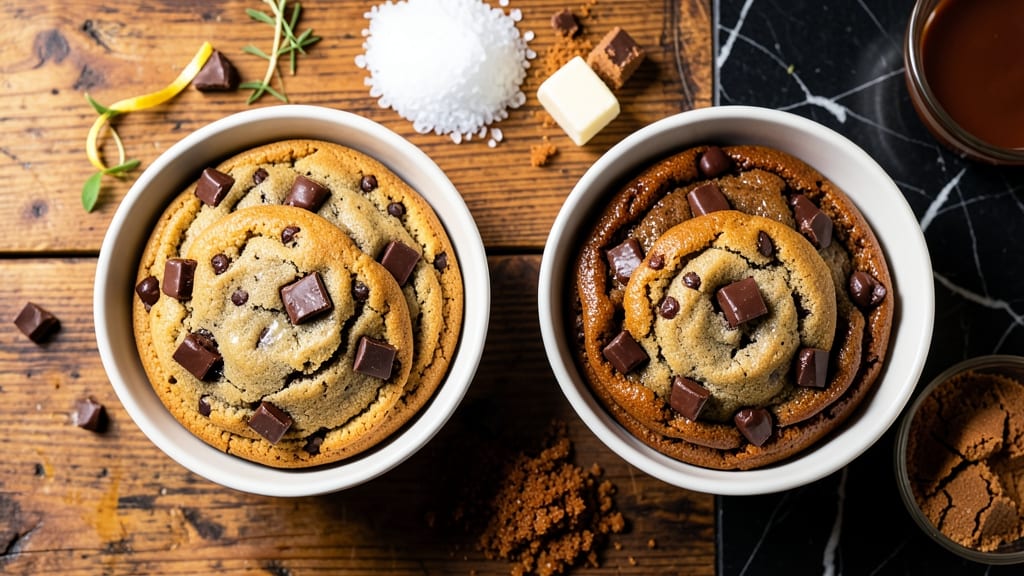
This chocolate chip cookie recipe comparison settles the age-old debate: crunchy or chewy? After testing 15 variations, I’ve narrowed it down to three proven recipes—each delivering distinct textures and flavors that cater to every preference. The key lies in precise techniques, ingredient ratios, and baking science that transforms simple dough into golden, melty perfection.
What sets these recipes apart? The crispy-edge classic relies on brown butter and cornstarch for structure, while the chewy crowd-pleaser uses melted butter and a higher sugar ratio.
For those craving a modern twist, the hybrid version combines both methods with a touch of espresso powder to deepen the chocolate flavor. Every recipe includes dietary-friendly swaps, ensuring no one’s left out.
The results speak for themselves: crispy cookies with a satisfying snap, chewy centers that melt in your mouth, and a balanced hybrid that delivers the best of both worlds. Each recipe includes step-by-step instructions, pro tips for foolproof baking, and plating suggestions to elevate your cookies from homemade to restaurant-worthy.
Whether you’re baking for a holiday gathering, a casual weekend treat, or a picky-eater showdown, these recipes guarantee success. Let’s dive into the details—where science meets indulgence, and every bite tells a story.
Ingredients for best chocolate chip cookie recipe comparison
Three doughs. One debate. Here's what makes each cookie shine differently.
| Ingredient | Amount | Notes |
|---|---|---|
| Unsalted Butter 🧈 | 1 cup | Cold, cubed for crispy-edge classic |
| Brown Butter 🧈 | 1 cup | For crunchy-edge texture |
| Granulated Sugar 🍚 | ¾ cup | Superfine preferred for smooth texture |
| Packed Brown Sugar 🍚 | ¾ cup | Lightly packed for chewy texture |
| Cornstarch 🌾 | 2 tbsp | For crispy edges in classic version |
| Large Eggs 🥚 | 2 whole | Room temperature for even mixing |
| Vanilla Extract 🌿 | 2 tsp | Pure vanilla for authentic flavor |
| All-Purpose Flour 🌾 | 2 ½ cups | Sifted, spooned and leveled |
| Chocolate Chips 🍫 | 2 cups | Semi-sweet, 70% cacao preferred |
| Sea Salt 🧂 | 1 ½ tsp | Flaky salt for finishing touch |
| Espresso Powder ☕ | 1 tsp | For hybrid version's deep flavor |
| Almond Extract 🌰 | ½ tsp | Optional for nutty depth (hybrid) |
The butter choice makes all the difference. For the crispy-edge classic, stick with cold cubed butter—it creates those irresistible shards. The chewy crowd-pleaser calls for melted butter (room temp) to keep things tender. Land O'Lakes unsalted is my go-to, but any good brand works. Brown butter? Ghirardelli's pre-browned** saves time, but nothing beats the aroma of fresh browned butter. Pro tip: If your butter's been sitting out too long, chill it 15 minutes before measuring—it should hold its shape but dent easily. The chocolate chips? Ghirardelli or Guittard** are worth the splurge for that melty perfection.
No butter? Coconut oil works in a pinch (same amount), but texture will differ slightly. Short on vanilla? Almond extract adds depth (use half the amount). The espresso powder in the hybrid version? Starbucks instant or any grocery store brand—just a pinch intensifies chocolate flavor. Swapping chocolate chips? Enjoy Life brand for allergies, or dark chocolate chunks if you prefer. Need to stretch the dough? Add 1/4 cup chopped walnuts or white chocolate chips—just know texture changes. And if you're baking for a crowd, double the batch**—these disappear fast.
Butter stays fresh for 3 months in the fridge or 6 months frozen in portions. Flour? Air-tight container keeps it fresh for 6 months—freeze if you're not a frequent baker. Chocolate chips last 1 year unopened, but once opened, they're best used within 6 months. The dough can chill up to 48 hours for deeper flavor—wrap tightly in plastic. Baked cookies? Room temp for 30 minutes before storing in an airtight container for 1 week. Freeze for 3 months if you're planning ahead—just thaw at room temp before serving.
Why You'll Love This Recipe
- Brown Butter Magic: That nutty, caramelized depth from browned butter? It transforms a classic into something next-level. Honestly, the first time I tried it, I almost didn’t believe how much richer the flavor became—just 5 minutes of patience changes everything.
- Pantry-Friendly Flex: Five ingredients, no weird substitutes. Between us, the cornstarch keeps them crispy longer, and the brown sugar adds that chewy bite without extra fuss. My grocery list barely budged, but my cookie jar sure did.
- Weeknight Hero: Ten minutes of mixing, 12 minutes in the oven, and you’ve got warm cookies while dinner simmers. I’ll be real: this is my go-to when I’m too tired to bake but still crave something homemade. (Yes, even on a Tuesday night.)
- Leftovers That Last: They don’t dry out like most cookies—store them in an airtight container, and they stay soft for days. I’ve packed these in lunches, frozen batches for last-minute cravings, and still had seconds. That’s a win.
Step-by-step instructions for crunchy vs. chewy chocolate chip cookies
Here's how to master both textures using the same base ingredients with clever tweaks.
Prepare the Two Butter Bases
For the classic crunchy-edge cookies, leave the 1 cup unsalted butter cold and cubed—this prevents over-spreading. For the chewy version, brown the 1 cup brown butter until it smells nutty and turns golden, then cool completely. The brown butter adds depth while keeping cookies tender.
I like to use separate bowls for each butter type to avoid cross-contamination. If you're short on time, you can use all brown butter for chewy cookies, but the contrast makes the comparison more dramatic. Let both butters sit at room temperature for 30 minutes before starting—this ensures even mixing without melting.
Mix Wet Ingredients Separately
In one bowl, cream the 1 cup unsalted butter (for crunchy) with 0.75 cup granulated sugar and 0.75 cup packed brown sugar on medium speed until light and fluffy—about 3-4 minutes. In another bowl, repeat with the 1 cup brown butter (for chewy). The sugar should nearly double in volume and become pale.
This creaming step is non-negotiable—it incorporates air that creates those signature crackly tops in crunchy cookies and a tender crumb in chewy ones. Add 2 whole large eggs one at a time, mixing just until combined, then stir in 2 tsp vanilla extract. The brown butter version will have a richer, toastier aroma at this stage.
Combine Dry Ingredients with Texture Secrets
In a third bowl, whisk together 2.5 cups all-purpose flour, 2 tbsp cornstarch (this is your crunchy secret—it creates crisp edges), 1.5 tsp sea salt, 1 tsp espresso powder (for depth), and 0.5 tsp almond extract (optional for nutty notes). For the chewy version, omit the cornstarch and add an extra 1 tbsp brown sugar—this boosts moisture retention.
Gently fold the dry ingredients into each butter mixture until just combined—overmixing develops gluten and makes cookies tough. Fold in 2 cups chocolate chips by hand. The crunchy dough will be slightly firmer, while the chewy dough will be softer and more pliable. Chill both doughs for 30 minutes—this prevents excessive spreading in the oven.
Bake with Precision for Contrasting Textures
Preheat oven to 350°F. For crunchy cookies, scoop 2-tablespoon portions of dough and place 3 inches apart on parchment-lined sheets. Bake for 11-12 minutes until edges are golden brown but centers still look slightly underdone. For chewy cookies, flatten each scoop slightly before baking and reduce time to 10-11 minutes—they should pull away from the pan with soft edges.
Here's the key: crunchy cookies need that extra minute to develop crisp edges, while chewy ones pull out early to maintain their tender interior. Let both cool on the sheet for 5 minutes before transferring—this helps set their textures. The crunchy ones will have crisp edges that soften slightly as they cool, while the chewy ones will stay soft and pliable.
Pro Tips For Making Best Chocolate Chip Cookie Recipe Comparison
- Brown Butter First: If you’re using brown butter, let it cool completely before mixing it into the dough—otherwise, you’ll melt the butter again when adding warm eggs. I learned this the hard way when my cookies turned out greasy instead of rich. A quick ice bath in a bowl speeds this up.
- Weigh Your Brown Sugar: Packed brown sugar is a scam if you scoop it straight from the bag—it’ll be half the volume it should be. Use a spoon to press it firmly into the measuring cup, then level it off. This isn’t just about accuracy; it’s the difference between chewy and dry cookies.
- Skip Overmixing: Once you fold in the chocolate chips, stop stirring. Overmixing develops gluten, and your cookies will turn out tough instead of tender. A few lumps in the dough? Doesn’t matter—just scoop and bake.
- Use Room-Temp Butter: Cold butter creates pockets of fat that create crisp edges, but if it’s too cold, your cookies won’t spread. Take the butter out of the fridge 30 minutes before you start—yes, even if you’re in a hurry. Trust me, the wait guarantees better cookies.
Wine and beer pairings for this dish
Wine Pairings
For the crispy-edge classic cookies, a dry Riesling from Germany—like Dr. Loosen Blue Slate—cuts through the buttery richness with its bright acidity and honeyed notes.
The crisp finish mirrors the cookie’s texture, while the citrus undertones complement the chocolate. Serve slightly chilled for a refreshing contrast to the warm cookies. 🍷
Beer Pairings
A Belgian Witbier like Stella Artois or Hoegaarden balances the sweetness with its coriander and orange peel notes, creating a refreshing contrast. The effervescence cleanses your palate between bites, while the subtle spice enhances the chocolate’s depth.
For a darker option, try a light amber ale with caramel undertones to match the brown butter’s nuttiness.
Coffee Enhancements
Since the hybrid recipe includes espresso powder, pair it with a medium-roast coffee like Starbucks Pike Place or Peet’s Major Dickason’s Blend. The coffee’s chocolatey, nutty notes amplify the cookie’s depth.
For an after-dinner treat, sip a cortado—its creamy foam mirrors the cookie’s texture while the espresso’s bitterness balances the sweetness. ☕
Dessert Wine Upgrade
For a special occasion, a tawny Port like Graham’s 10-Year-Old elevates the experience. Its caramel and dried fruit flavors harmonize with the brown butter and chocolate, while the alcohol’s warmth lingers like the cookie’s chewy center. Serve at room temperature to let the wine’s complexity shine alongside the cookies’ textures.
Non-Alcoholic Pairings
For a kid-friendly or sober pairing, sparkling apple cider like Martinelli’s adds a festive touch. Its crisp acidity and apple notes play off the cookie’s sweetness, while the bubbles keep the experience lively.
For a richer option, try chocolate milk—the creamy, sweet pairing feels nostalgic and lets the cookie’s flavors take center stage. 🍎
Nutrition facts
Frequently asked questions
What’s the biggest difference between crunchy and chewy chocolate chip cookies?
The key lies in the butter and sugar ratios! Crunchy cookies use cold cubed butter and cornstarch for crisp edges, while chewy versions rely on brown butter and extra brown sugar for moisture. Bake time also differs—crunchy cookies need 11-12 minutes for crisp edges, while chewy ones pull out at 10-11 minutes to keep centers soft.
Can I make these recipes gluten-free or vegan?
For gluten-free, swap 2.5 cups all-purpose flour for a 1:1 GF blend (like Bob’s Red Mill) plus 1 tbsp xanthan gum. For vegan, use vegan butter (like Miyoko’s) and flax eggs (1 tbsp ground flax + 3 tbsp water per egg). The texture will be slightly denser, but flavor stays rich.
Why did my cookies spread too much?
Overmixing the dough or using room-temperature butter (instead of cold cubes) are the top culprits. Chill your dough for 30 minutes before baking, and scoop portions directly from the fridge. Also, ensure your oven is fully preheated—350°F is critical! Underbaked cookies spread more, so check edges at 10 minutes.
How do I store or freeze these cookies?
For freshness, store in an airtight container at room temp for 5-7 days. To freeze, bake cookies first, then cool completely and layer with parchment between sheets. Freeze for up to 3 months. Thaw at room temp—no microwave needed! For dough, chill for 48 hours before baking for deeper flavor.
Which recipe is best for kids or picky eaters?
The chewy crowd-pleaser wins for kids—its soft texture and sweetness are universally loved. For picky eaters, add white chocolate chips or mini M&M’s** to the dough. The hybrid version’s espresso note might be too bold for some, so stick to the classic or chewy base for milder flavors.