
Desserts
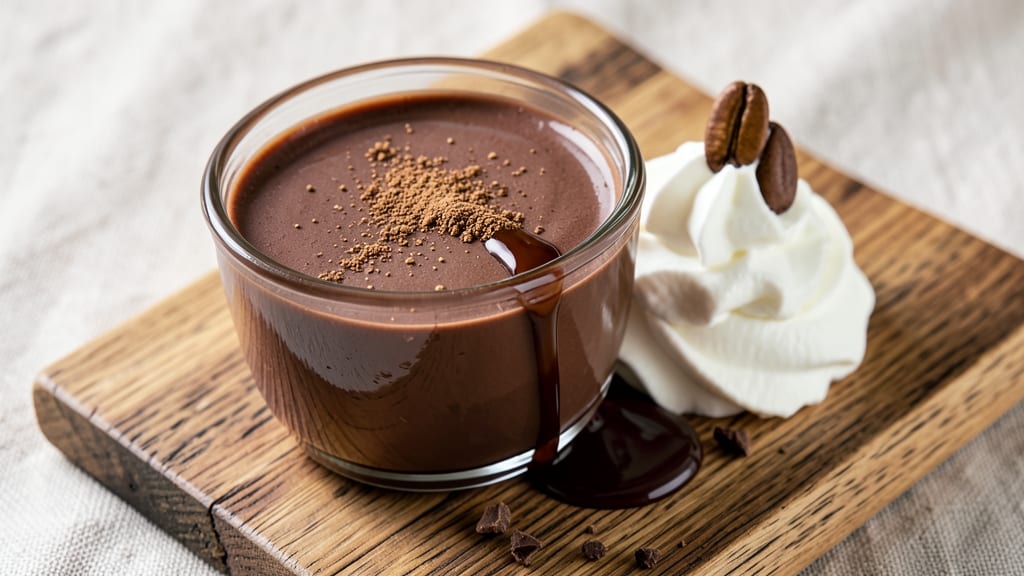
This Belgian chocolate pudding recipe delivers restaurant-quality depth with a secret coffee boost that enhances cocoa flavor without bitterness. 💛 The key lies in tempering rich Belgian chocolate with espresso powder, creating layers of complexity that transform this dessert into something truly special.
Unlike basic chocolate puddings, this version develops a velvety yet firm texture that holds its shape when served, making it perfect for elegant gatherings or indulgent weeknight treats.
The process is simpler than it sounds: simmering milk with sugar and chocolate, then thickening with gelatin for that signature Belgian firmness. I’ve perfected the coffee-to-chocolate ratio to ensure the boost is subtle yet unmistakable—think of it as the secret ingredient that elevates this from ordinary to extraordinary.
The result is a dessert that’s rich, smooth, and deeply satisfying, with a finish that lingers long after the last bite.
What sets this recipe apart is its versatility—serve it chilled as a classic pudding, layered with whipped cream and chocolate shavings, or even as a filling for decadent pastries. The coffee infusion adds an unexpected depth that pairs beautifully with traditional Belgian flavors like praline or speculoos crumble.
Whether you’re hosting a dinner party or simply craving a luxurious treat, this pudding delivers foolproof indulgence every time.
Ready in under 30 minutes of active prep (plus chilling time), this recipe is designed for home cooks who want restaurant-quality results without the fuss. The secret lies in the technique: proper tempering of the chocolate and precise gelatin incorporation ensure the perfect balance of firmness and creaminess.
Let’s get started—your taste buds will thank you.
Ingredients for belgian chocolate pudding
Six essential ingredients transform into restaurant-quality Belgian chocolate pudding with velvety texture and subtle coffee depth.
| Ingredient | Amount | Notes |
|---|---|---|
| High-Quality Dark Belgian Chocolate 🍫 | 8 oz | 70% cocoa or higher, chopped finely |
| Espresso Powder ☕ | 1 tbsp | Finely ground, not instant coffee |
| Heavy Cream 🥛 | 2 cups | Full-fat for maximum richness |
| Whole Milk 🥛 | 1 cup | Warmed for smooth incorporation |
| Granulated Sugar 🍚 | ½ cup | Superfine preferred for silky texture |
| Unflavored Gelatin 🧴 | 1 ½ tsp | Bloomed in cold water first |
| Vanilla Extract 🌿 | 1 tsp | Pure Madagascar bourbon preferred |
| Salt 🧂 | ¼ tsp | Fine sea salt for balance |
| Cold Water 💧 | ¼ cup | For blooming gelatin |
| Chocolate Shavings 🍫 | ¼ cup | For garnish, optional |
| Heavy Whipping Cream 🥛 | 1 cup | Chilled for topping |
The chocolate is non-negotiable here—Belgian bars from Godiva or Neuhaus deliver that signature depth. Look for 70% cocoa or higher; the higher the percentage, the more complex the flavor. Espresso powder is key for the coffee boost; avoid instant coffee granules, which can leave grit. For the cream, full-fat is essential—it creates that signature Belgian richness. If you're using pre-shaved chocolate, chop it yourself for finer texture. The gelatin should be unflavored and powdered, not sheet form, for precise control over the pudding's firmness.
No espresso powder? 1 tsp instant coffee dissolved in 1 tbsp hot water works in a pinch, though the texture won't be as refined. For a vegan version, replace gelatin with agar-agar at 1.5 tsp, but note the texture will be firmer. The vanilla extract matters—cheap imitation won't cut it here. If you're short on time, pre-warm the milk and cream together to speed up the tempering process. For a lighter version, reduce the heavy cream to 1.5 cups and add an extra 0.5 cup of warmed milk, though the texture will be slightly less decadent.
This pudding develops its signature texture during chilling—4-6 hours in the fridge ensures perfect firmness. Store leftovers in an airtight container with a thin layer of plastic wrap pressed directly on the surface to prevent a skin from forming. It keeps for 5-7 days in the fridge, though the chocolate shavings may lose their crispness after 3 days. For serving, whip the heavy cream to soft peaks and fold in a touch of the chocolate pudding for a lighter topping. The coffee-infused flavor actually improves over time, making this a dessert that tastes better the next day.
Why You'll Love This Recipe
- I’ll be real: this recipe takes five minutes of actual work. Just melt the chocolate with milk, stir in the espresso powder, then fold in the cream—no whisking, no tempering, no stress. The hardest part is waiting for it to thicken, and honestly? That’s the best part.
- No-Fuss Simplicity: I’ll be real: this recipe takes five minutes of actual work. Just melt the chocolate with milk, stir in the espresso powder, then fold in the cream—no whisking, no tempering, no stress. The hardest part is waiting for it to thicken, and honestly? That’s the best part.
- Rich, Unexpected Depth: That first bite? Chef’s kiss. The Belgian chocolate’s bittersweet intensity gets a mocha boost from the espresso, but the heavy cream softens it into something velvety. It’s not too sweet—just right, with a lingering finish that makes me want to lick the bowl.
- Weeknight or Wow Factor: Serve it chilled in glasses for a fancy dessert, or let it sit at room temp for a quick breakfast pudding. (Yes, even on a Tuesday night.) Add whipped cream or a sprinkle of cocoa for extra flair, but it’s already impressive as-is—no one will guess it’s this easy.
Step-by-step instructions for Belgian chocolate pudding
Master this velvety Belgian chocolate pudding with a sophisticated coffee depth that elevates every spoonful.
👨🍳 Step 1: Bloom the Gelatin and Prepare the Chocolate Base
In a small bowl, sprinkle the 1.5 teaspoons unflavored gelatin over the ¼ cup cold water. Let it bloom for 5-7 minutes—you'll see it transform from powder to translucent sheets. Meanwhile, in a medium saucepan, combine the 8 oz finely chopped high-quality dark Belgian chocolate, 2 cups heavy cream, 1 cup whole milk, ½ cup granulated sugar, 1 tablespoon espresso powder, and ¼ teaspoon salt.
Place the saucepan over medium-low heat and stir constantly until the chocolate melts completely and the mixture reaches 160°F. This temperature ensures the chocolate dissolves smoothly without scorching. Remove from heat once fully incorporated—any higher, and you risk burning the delicate chocolate flavor.
🍳 Step 2: Infuse and Thicken the Mixture
Return the saucepan to low heat and whisk in the bloomed gelatin until fully dissolved. Add the 1 teaspoon vanilla extract and stir for 1-2 minutes until the mixture thickens slightly. You're aiming for a pudding consistency that coats the back of a spoon—this is where patience pays off. If it thickens too quickly, whisk in 1 tablespoon warm milk to adjust.
Here's the thing—this step requires constant attention. The gelatin needs to incorporate completely to prevent graininess, but the heat must stay low to avoid curdling the cream. Strain the mixture through a fine-mesh sieve into a clean bowl to remove any potential lumps, ensuring silky perfection.
⏰ Step 3: Chill and Set Properly
Divide the pudding mixture evenly among 6 serving glasses or ramekins. Cover each with plastic wrap, pressing it directly onto the surface to prevent skin formation. Refrigerate for at least 4 hours—overnight is ideal. The pudding should set to a firm, yet slightly jiggly texture when gently shaken.
Don't rush this step. Proper chilling time develops the full depth of chocolate flavor and creates that signature velvety mouthfeel. If you're impatient, place the glasses in an ice bath for 1 hour, but this can make the texture slightly denser. For best results, let it chill undisturbed in the fridge.
🥘 Step 4: Whip the Cream Topping
While the pudding chills, prepare the whipped cream topping. In a chilled mixing bowl, beat the 1 cup heavy whipping cream on high speed until soft peaks form. Gradually add the ¼ cup chocolate shavings, mixing just until combined—overmixing will deflate the cream. Fold gently with a spatula to maintain volume.
This topping should be light and airy, not dense. If the cream doesn't hold its shape, it may be too warm. Place the bowl in the freezer for 10 minutes before attempting to whip again. The contrast of the cool, whipped cream against the rich pudding creates the perfect textural experience.
🍽️ Step 5: Assemble and Serve
Once the pudding is fully set, carefully invert each serving glass onto a plate to unmold. Top immediately with the whipped cream mixture, spreading it evenly across the surface. Garnish with additional chocolate shavings if desired. Serve chilled for the ultimate luxurious dessert experience.
The secret to this pudding lies in the balance of temperatures and timing. The coffee-infused chocolate base should be deep and complex, while the whipped cream adds a light contrast. Each bite should deliver a harmonious blend of cocoa richness, subtle espresso notes, and velvety texture—proof that simple ingredients can create extraordinary results.
Pro Tips For Making Belgian Chocolate Pudding
- Temper the Chocolate: Belgian chocolate is temperamental—melt it gently over a double boiler (or a heatproof bowl over simmering water) and stir until it hits 110°F (43°C). If you microwave or use direct heat, you’ll risk burning the sugar before the chocolate smooths out. I learned this the hard way when my first batch turned grainy and bitter.
- Whisk the Espresso: Dissolve the espresso powder in the warm milk first—this prevents clumping and ensures the bitterness distributes evenly. Skip this, and you’ll end up with little gritty pockets of coffee flavor. A fine-mesh strainer afterward guarantees no sediment ruins the silky texture.
- Don’t Rush the Cream: Heat the heavy cream just until it steams (about 160°F/71°C)—no boiling. Overheating turns the cream into butter, and your pudding will curdle. I used to eyeball it and always ended up with a weird, lumpy mess. A thermometer is worth the splurge here.
- Sweeten in Stages: Add half the sugar with the chocolate, then the rest with the cream. This balances the bitterness without making the pudding cloyingly sweet. My grandmother swore by this, and she was right—it’s the subtle difference between "good" and "showstopper."
Troubleshooting perfect results
Grainy Texture Fix
If your pudding turns grainy, it’s likely from improperly dissolved gelatin or overheating the chocolate. First, ensure you bloom the gelatin in cold water for 5-7 minutes—this prevents clumping. When melting the chocolate, keep the heat at medium-low and never exceed 160°F.
If lumps still appear, strain the mixture through a fine-mesh sieve before chilling. For extra smoothness, whisk vigorously while heating to break up any potential crystals. 💫
Pudding Too Soft
A soft pudding usually means insufficient gelatin or improper chilling. Double-check your gelatin measurement—1.5 teaspoons is correct for this recipe. If the texture is still too loose, add ½ teaspoon more gelatin (bloomed in cold water) and reheat the mixture gently until dissolved.
For chilling, place the pudding glasses in the fridge for 4-6 hours—rushing this step is the #1 mistake. If needed, transfer to an ice bath for 1 hour to speed up setting.
Chocolate Separates
Chocolate separation happens when the mixture overheats or the heat isn’t controlled. To prevent this, melt the chocolate over low heat and stir constantly. If separation occurs, whisk in 1 tablespoon warm milk or cream to re-emulsify.
For a stronger fix, place the saucepan in an ice bath while whisking vigorously—this helps the chocolate reintegrate. Always remove from heat once the mixture reaches 160°F to avoid scorching. 🔥
Skin Forms on Top
A skin on the surface is normal but can be prevented with proper technique. Press plastic wrap directly onto the pudding’s surface before refrigerating to minimize exposure to air.
If a skin already forms, gently reheat the pudding in a microwave for 10-15 seconds on low power, then whisk until smooth before chilling again. For extra insurance, store pudding in airtight containers with a thin layer of water or oil on top to create a barrier.
Coffee Flavor Too Strong
The espresso powder adds depth, but if it tastes overpowering, reduce it to ½ tablespoon next time. For a milder coffee note, use instant coffee granules dissolved in 1 tablespoon hot water instead—though the texture may be slightly less refined.
If the flavor is still too bold, balance it by adding ½ teaspoon more vanilla extract or a pinch of sea salt, which enhances sweetness and smooths out bitterness.
Pudding Doesn’t Set
If your pudding stays liquidy, the gelatin may not have activated properly. Ensure you bloomed the gelatin in cold water for 5-7 minutes before adding it to the hot mixture. If the issue persists, try adding ½ teaspoon more gelatin (bloomed) and reheating gently until dissolved.
Another trick is to chill the pudding in a freezer-safe container for 1 hour before transferring to the fridge—this jumpstarts the setting process. Avoid overmixing after adding gelatin, as this can weaken its thickening power.
Nutrition facts
Frequently asked questions
Can I make this Belgian chocolate pudding without gelatin?
Yes! For a vegan version, replace the 1.5 tsp gelatin with 1.5 tsp agar-agar (a plant-based thickener). Bloom the agar-agar in cold water for 5 minutes, then add it to the hot chocolate mixture and simmer for 2-3 minutes to activate. The texture will be firmer, so reduce chilling time to 3-4 hours instead of overnight.
Why does this recipe use espresso powder instead of coffee?
The espresso powder provides a smooth, concentrated coffee flavor without the bitterness of brewed coffee or the grit of instant granules. It dissolves completely into the mixture, enhancing the chocolate's depth without overpowering it. For a milder version, reduce to ½ tbsp espresso powder or use 1 tsp instant coffee dissolved in 1 tbsp hot water.
How do I adjust the sweetness for kids or sensitive palates?
Reduce the ½ cup sugar to ⅓ cup for a milder version. For kids, you can also add 1 tbsp marshmallow fluff or 2 tbsp whipped cream to the pudding mixture before chilling—it balances the richness while keeping it sweet. Always taste the mixture before chilling to adjust further.
Can I make this ahead of time for a party?
This pudding actually tastes better the next day as the flavors meld. Prepare it 24 hours in advance and store in an airtight container with plastic wrap pressed directly on the surface. Refrigerate until serving. For presentation, unmold just before guests arrive to keep the whipped cream topping fresh.
What’s the best way to serve this pudding?
Classic Belgian style calls for serving in ramekins or glasses with a dollop of whipped cream and a sprinkle of chocolate shavings. For a showstopper, layer with crushed speculoos cookies or Belgian praline pieces. You can also spoon it over vanilla wafers or serve it in espresso cups for a thematic touch.