
Desserts
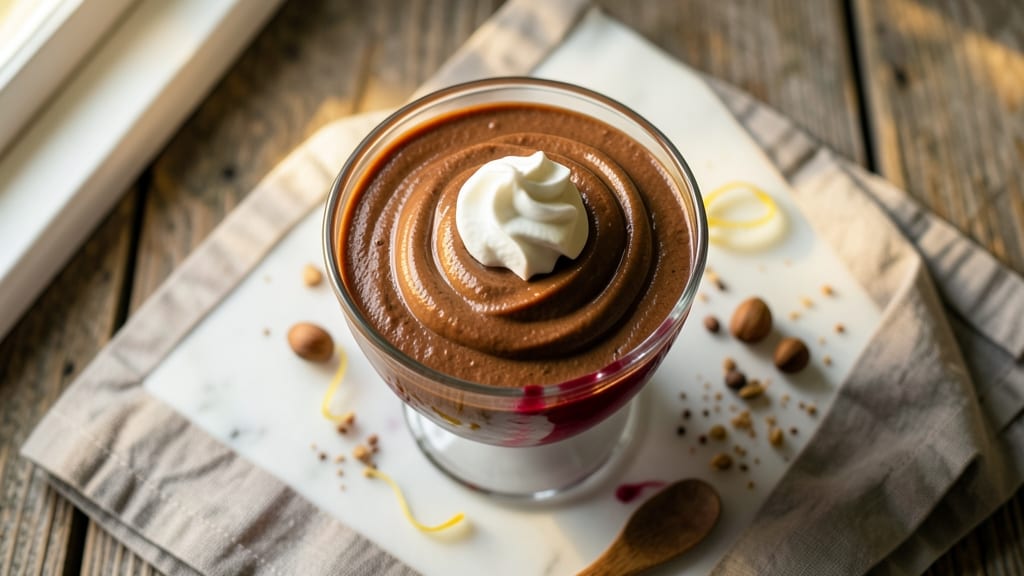
This Belgian chocolate mousse recipe delivers the signature silky texture and deep cocoa richness that makes it a dessert classic. The secret lies in properly whipped egg whites folded into melted chocolate, creating a light yet decadent treat that's impossible to resist.
I've perfected this technique over years of testing, ensuring every bite delivers that perfect balance of airy texture and intense chocolate flavor.
The foundation of an authentic Belgian mousse is high-quality dark chocolate with at least 70% cocoa content, which provides that signature depth without overpowering sweetness. We'll use room-temperature egg whites for maximum volume, and a touch of vanilla extract enhances the chocolate's natural complexity.
The chilling process is crucial—it transforms the mixture from liquid to its signature velvety consistency.
By the time you serve this mousse, you'll have achieved that restaurant-quality texture—smooth, glossy, and perfectly set. The contrast between the light mousse and rich chocolate shavings on top creates a visual and textural experience that's as impressive as it is delicious.
This recipe serves 6 and takes just 30 minutes of active time, with most of the work being the essential chilling period.
Perfect for special occasions or when you want to impress dinner guests, this mousse pairs beautifully with fresh berries or a dusting of cocoa powder. The technique is straightforward once you understand the key steps, making it accessible even for home cooks new to French pastry methods.
Let's create this timeless dessert together.
Ingredients for belgian chocolate mousse
Here’s what you’ll need to create this restaurant-worthy Belgian chocolate mousse with perfect texture.
| Ingredient | Amount | Notes |
|---|---|---|
| Dark Chocolate (70% cocoa or higher) 🍫 | 8 oz | High-quality, chopped into small pieces |
| Large Egg Whites (room temperature) 🥚 | 6 whole | Separated from yolks, no fat traces |
| Granulated Sugar 🍚 | ½ cup | Superfine preferred for faster dissolving |
| Unsalted Butter 🧈 | ¼ cup | Room temperature, cut into small cubes |
| Pure Vanilla Extract 🌿 | 1 tsp | High-quality, no imitation |
| Pinch of Salt 🧂 | ⅛ tsp | Fine sea salt for balance |
| Heavy Cream (optional garnish) 🥛 | ¼ cup | Whipped for topping |
| Chocolate Shavings (optional garnish) 🍫 | ¼ cup | Freshly grated dark chocolate |
| Fresh Berries (optional garnish) 🍓 | ½ cup | Raspberries or strawberries |
The chocolate is non-negotiable—70% cocoa or higher delivers that signature depth. Valrhona or Lindt are my go-tos, but any high-quality brand works. Chop it yourself for even melting. Egg whites? Room temperature is critical—cold whites won’t whip properly. I always separate them over a bowl to catch any stray yolks. The butter should be at room temperature but not melted—cut it into small cubes for even distribution. Superfine sugar dissolves faster, but regular granulated works if you whisk it into the melted chocolate first.
No vanilla extract? Vanilla bean paste works too, but pure extract gives that authentic flavor. Short on butter? Coconut oil is a neutral substitute, though it has a slightly different texture. The salt might seem negligible, but it balances the sweetness—don’t skip it. For the optional garnishes, fresh berries add brightness, while whipped cream gives a cloud-like finish. If you’re feeling fancy, toast the berries lightly for extra aroma. And if you’re making this ahead, the mousse actually improves overnight—just add a splash of cream before serving to loosen it up.
Chill the mousse for at least 4 hours—overnight is ideal. Store leftovers in the fridge for up to 3 days, covered tightly. The chocolate shavings and berries should be added just before serving to keep them vibrant. If you’re prepping ahead, make the mousse base first and store it in the fridge, then whip the egg whites and fold them in just before chilling. This keeps the texture light and airy—no one will guess it’s been sitting in the fridge!
Why You'll Love This Recipe
- No Whisk Required: I swear by this trick—just fold those egg whites into the melted chocolate until it’s light and airy. No overmixing, no stress, and the texture comes out chef’s kiss every time.
- Rich Without Guilt: That 70% dark chocolate? It’s where the magic happens—deep, bittersweet, but balanced by the butter and vanilla so it’s not too heavy. Honestly, it’s the kind of dessert that makes you feel fancy without needing a fancy ingredient list.
- Date Night Ready: Serve it chilled in glasses with a dusting of cocoa, and suddenly you’ve got a restaurant-worthy dessert that takes less than 30 minutes. (Yes, even on a Tuesday night.)
- Leftovers That Last: This keeps beautifully for days—no weird graininess, no sad texture. I’ve had it for breakfast the next morning (don’t judge) and it’s still just as good. Plus, you’re using basic pantry staples, so it’s budget-friendly without sacrificing taste.
Step-by-step instructions for Belgian chocolate mousse
Here's how to create a velvety Belgian chocolate mousse with perfect texture and deep cocoa flavor.
Melt the Dark Chocolate and Butter
Place the 8 oz dark chocolate (70% cocoa or higher) and 0.25 cup unsalted butter (cut into small cubes) in a heatproof bowl set over a pot of simmering water, ensuring the bottom of the bowl doesn't touch the water. Stir gently until both are completely melted and smooth, about 5-7 minutes. The chocolate should be glossy and free of any streaks—this ensures a silky texture in your mousse.
Remove from heat and stir in the 1 tsp pure vanilla extract and 0.125 tsp pinch of salt. Let the mixture cool slightly until it reaches room temperature—about 15-20 minutes. This step prevents the egg whites from losing their structure when mixed later. If you rush this cooling step, your mousse will deflate or become grainy.
Whip the Egg Whites to Stiff Peaks
In a separate, spotlessly clean bowl, combine the 6 whole large egg whites (room temperature) and 0.5 cup granulated sugar. Using a stand mixer fitted with the whisk attachment, beat on low speed until the sugar dissolves completely, about 1-2 minutes. This ensures even sweetness throughout the mousse.
Increase the speed to high and whip until the egg whites form stiff peaks—when you lift the whisk, the peaks should hold their shape and not flatten immediately. This typically takes 3-5 minutes. The egg whites should be glossy and hold their shape when the whisk is tilted. If you over-whip, the peaks will become dry and grainy, ruining the texture.
Fold the Chocolate Mixture Gently
With a rubber spatula, gently fold one-third of the whipped egg whites into the cooled chocolate mixture. This step ensures the chocolate is lightened and prevents deflation. Then, carefully fold in the remaining egg whites in two additions, using a gentle scooping motion from the bottom of the bowl to incorporate air without breaking the structure.
Fold just until the mixture is fully combined and smooth—no streaks of white should remain. Avoid overmixing, as this can cause the mousse to lose its airiness. The final texture should be thick, glossy, and light enough to pipe but still hold its shape. If it looks too thin, let it rest for 5-10 minutes before proceeding—this allows the mixture to thicken slightly.
Chill and Set the Mousse
Divide the mousse evenly among 6 serving glasses or ramekins. Cover each with plastic wrap, pressing the wrap directly onto the surface to prevent a skin from forming. Chill in the refrigerator for at least 4 hours, or preferably overnight. This extended chilling time ensures the mousse sets properly and achieves that signature silky, almost liquid-yet-firm texture.
For best results, avoid opening the refrigerator door frequently during chilling—temperature fluctuations can cause condensation and dilute the texture. If you're in a hurry, you can place the glasses in the freezer for 1 hour, but this can make the mousse slightly grainier. Always bring the mousse to room temperature for 10-15 minutes before serving to enhance its creaminess.
Garnish and Serve
Before serving, top each portion with 0.25 cup whipped heavy cream, 0.25 cup chocolate shavings, and 0.5 cup fresh berries (raspberries or strawberries) for a pop of color and freshness. The contrast of the tart berries against the rich chocolate is what makes this dessert truly special. Serve immediately and watch as your guests savor every velvety bite.
For an extra touch, dust the top with a pinch of cocoa powder or a sprinkle of flaky sea salt to balance the sweetness. The mousse should be cool but not icy, with a glossy sheen that indicates perfect setting. If it looks too firm, let it sit at room temperature for a few extra minutes—it should yield slightly when gently shaken.
Pro Tips For Making Belgian Chocolate Mousse
- Temper the Chocolate: Melt your dark chocolate in a double boiler—never microwave—until it hits 110°F (43°C). If it gets too hot, those bittersweet notes turn harsh, and your mousse will taste like burnt cocoa instead of rich Belgian chocolate. I learned this the hard way after a batch tasted like a sad, overcooked fondue.
- Whip Egg Whites Slowly: Start your egg whites at medium speed, then gradually increase to high once they’re frothy. Rushing this step traps air unevenly, and your mousse will collapse like a deflating balloon. My grandmother swore by this, and she was right: patience here means fluffy, stable mousse that holds its shape.
- Skip the Overmixing Butter: Fold in softened butter at the very end, just until combined—no more. Overworking it breaks down the egg whites, turning your silky mousse into a dense, grainy mess. I was skeptical until I tried it, and now I resist the urge to "really mix it in."
- Chill Without Freezing: Refrigerate your mousse for 4–6 hours, not overnight. Freezing it solidifies the fat, making it grainy when served. If you’re in a hurry, use an ice bath for 1–2 hours—just don’t skip the rest. Your future self will thank you for avoiding that sad, icy texture.
Troubleshooting your belgian chocolate mousse
Grainy Texture Fix
If your mousse turns grainy, it usually means the chocolate wasn't melted smoothly or the egg whites were overmixed. First, ensure your dark chocolate (70% cocoa or higher) is melted completely over double boiler heat and stirred until glossy.
For a quick fix, blend the grainy mousse with an immersion blender until smooth, then chill again. I've found that using superfine sugar in the egg whites helps prevent graininess by dissolving faster. 💫
Soggy Bottoms
Soggy bottoms happen when moisture seeps through the serving container. Always use ramekins or glass serving dishes instead of plastic, which can absorb flavors. Line the bottom with plastic wrap before adding the mousse, then press the wrap directly onto the surface to create a barrier.
Chill uncovered for the first 30 minutes to set a skin, then cover tightly. For extra insurance, place a small piece of parchment paper on top before covering. 🧃
Mousse Too Thin
A runny mousse often means the egg whites weren't whipped enough or the chocolate mixture was too warm when folded. Let the chocolate cool to room temperature (about 70°F) before folding, and whip the egg whites to stiff peaks.
If it's still too thin, chill for an extra 1-2 hours—the texture will firm up. For immediate results, fold in 1 tbsp cornstarch mixed with 1 tsp water and chill again. 🔄
Egg White Deflation
Deflated egg whites usually occur when the chocolate mixture is too warm or when folding too aggressively. Let the chocolate cool completely before folding, and use a spatula to gently fold in three additions.
If you've already deflated the whites, try this trick: whip fresh egg whites with 1 tbsp sugar to stiff peaks, then fold them in gently. The extra structure will help restore the mousse's lightness. 🌟
Chocolate Seizing
If your chocolate mixture seizes (becomes grainy or lumpy), it's usually from moisture or incorrect melting. For a quick fix, place the bowl over a pot of simmering water again and stir gently until smooth.
To prevent seizing, ensure all ingredients are dry—especially the chocolate—and use a double boiler method instead of microwave melting. I always wipe the chocolate pieces with a paper towel before melting to remove any moisture. 🍫
Uneven Setting
Uneven setting often happens when the mousse isn't chilled evenly. Place your ramekins on a level tray in the fridge to ensure consistent cooling. If the top sets but the bottom stays soft, let it chill uncovered for 20 minutes to form a skin, then cover and finish chilling.
For extra stability, tap the ramekins gently on the counter before chilling to release any air bubbles that might disrupt the texture. ✨
Nutrition facts
Frequently asked questions
Why does my Belgian chocolate mousse need room-temperature egg whites?
Room-temperature egg whites whip up to 30-50% more volume than cold ones because the proteins unfold more easily. Cold whites trap air poorly and can turn grainy, while room-temperature whites create that signature silky texture. Simply separate the whites 30 minutes before whipping to let them warm naturally.
Can I substitute butter with another fat in this recipe?
Yes, but texture may change slightly. For a neutral substitute, use coconut oil (same amount, melted and cooled). For richer flavor, try European-style heavy cream (replace butter with 0.25 cup whipped to soft peaks). Avoid margarine—it lacks the fat content needed for proper mousse structure.
How do I know when my egg whites are properly whipped?
Look for stiff peaks that hold their shape when you lift the whisk—peaks should stand straight up, not flop over. The mixture should also look glossy and hold its form when the whisk is tilted. If you over-whip, the whites become dry and grainy. Pro tip: Use a stand mixer for consistency, and avoid greasy bowls (even a trace of fat prevents proper whipping).
What's the best way to serve Belgian chocolate mousse?
Serve in chilled glass ramekins with a dusting of cocoa powder or flaky sea salt for contrast. Top with fresh berries (raspberries or strawberries) and a dollop of whipped cream for visual appeal. For a restaurant touch, add a chocolate shaving or edible gold leaf. Always let it sit at room temperature for 10-15 minutes before serving to enhance creaminess.
Can I make this mousse ahead of time?
Yes! This mousse actually improves overnight. Assemble it up to 24 hours ahead, then add a splash of heavy cream before serving to loosen the texture. Store covered in the fridge. For best results, garnish just before serving to keep toppings fresh. Pro move: Label containers with serving instructions to avoid confusion later.