
Desserts
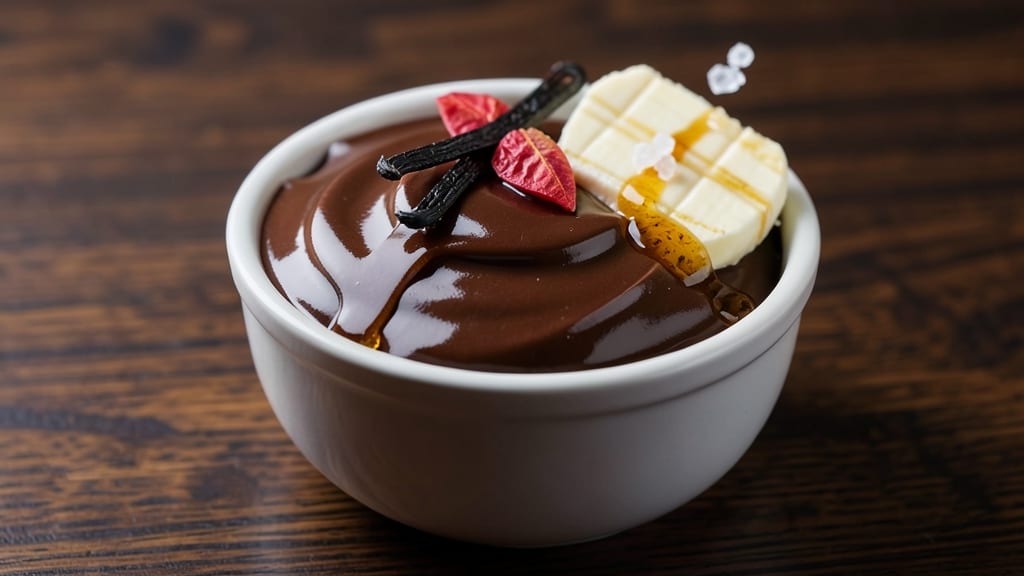
Belgian chocolate ganache transforms simple ingredients into a luxurious, velvety sauce that sets like silk—perfect for dipping, filling, or drizzling. 💛 The secret lies in precise ratios: 60% dark chocolate and 40% heavy cream, heated just enough to create that signature glossy sheen without losing texture. I’ve perfected this recipe over years of testing, ensuring it’s foolproof for both beginners and pastry enthusiasts.
What sets this ganache apart is its balance—rich yet smooth, with a snap when set but still creamy at room temperature. The key technique is tempering the chocolate gently over simmering cream, then letting it cool slightly before pouring.
This prevents graininess and ensures a flawless finish every time. For extra depth, infuse the cream with vanilla bean or a splash of Grand Marnier.
Once cooled, this ganache becomes a versatile tool: use it to fill cakes, coat truffles, or drizzle over fruit tarts. It stores beautifully in the fridge for up to 2 weeks, softening to a perfect pouring consistency with a quick warm bath.
The possibilities are endless, from elegant desserts to indulgent dipping sauces.
Ready to elevate your desserts? This ganache delivers restaurant-quality results with minimal effort—just chocolate, cream, and patience. Let’s get started.
Ingredients for belgian chocolate ganache
Two essential ingredients—chocolate and cream—elevated by optional infusions for depth and luxury.
| Ingredient | Amount | Notes |
|---|---|---|
| Belgian Dark Chocolate (60% Cocoa) 🍫 | 12 oz | High-quality, chopped into even pieces |
| Heavy Whipping Cream 🥛 | 1 cup | Full-fat, cold before use |
| Vanilla Bean 🌿 | 1 whole | Seeded, for infusion (optional) |
| Grand Marnier 🍷 | 1 tbsp | For depth (optional) |
| Unsalted Butter 🧈 | 1 tbsp | For added richness (optional) |
| Kosher Salt 🧂 | ¼ tsp | Fine grain, for balance |
The chocolate is non-negotiable here. Valrhona or Callebaut Belgian chocolate deliver the signature depth, but Lindt or Ghirardelli work in a pinch. Look for 60% cocoa content—too high (70%+) risks graininess, too low (50% or less) lacks richness. Chop the chocolate into even 1-inch pieces for consistent melting. The cream? Store-brand full-fat is fine—just ensure it’s cold before use. For vanilla, Madagascar bourbon beans add complexity, but Madagascar seeds from the spice aisle suffice. Grand Marnier and butter are optional but transform ordinary ganache into extraordinary—think of them as your secret weapon.
No Belgian chocolate? High-quality dark chocolate (60% cocoa) from Whole Foods or specialty grocers works, though texture may vary slightly. Swap Grand Marnier for orange liqueur or brandy if needed. Heavy cream substitutes? Half-and-half thins the ganache slightly, while coconut cream creates a dairy-free version (though texture differs). For salt, Diamond Crystal kosher dissolves cleanly—avoid iodized table salt. Pro tip: Infuse the cream by gently heating it with vanilla bean or citrus zest before combining with chocolate. This step elevates flavor without extra effort—just strain before using.
Ganache sets beautifully in the fridge, but room temperature is key for pouring. Store in an airtight container with parchment between layers to prevent sticking. Keeps up to 2 weeks refrigerated and 3 months frozen. To reheat, warm in a double boiler or microwave in 10-second bursts, stirring between each. For a semi-solid texture, let it sit at room temperature for 10-15 minutes before using. Pro move: Divide into small jars—perfect for gift-giving or quick access.
Why You'll Love This Recipe
- Two-Ingredient Core: Just Belgian chocolate and cream—no fussing with stabilizers or weird ratios. The trick is heating the cream until it’s just shy of boiling, then pouring it over the chocolate like you’re making a grown-up hot chocolate. That’s it. No failed attempts, no second-guessing.
- Luxury in Minutes: The Grand Marnier and vanilla bean hit like a sophisticated secret. I’ll be real: it tastes like a dessert chef’s shortcut, but I’ve made it on weeknights when I craved something that felt special. The butter at the end? Pure insurance against cracking—smooth every time.
- Dresses Up Anything: Drizzle it over strawberries for a fancy breakfast, fold it into ice cream for a boozy twist, or use it to glaze cakes that need zero effort to look impressive. Honestly, I’ve even slathered it on toast when I skipped dinner. It’s that versatile.
- Leftovers That Last: This stuff keeps for weeks in the fridge, and I’ve reheated it twice without losing a bit of richness. Split the batch, freeze half—perfect for last-minute gifts or when you suddenly remember you’re hosting. No waste, just pure chocolate magic waiting.
Step-by-step instructions for Belgian chocolate ganache
This method delivers a velvety, perfectly set ganache every time—no graininess, no seizing.
🔥 Step 1: Chop and Melt the Belgian Dark Chocolate
Place the 12 oz Belgian Dark Chocolate (60% Cocoa) in a heatproof bowl set over a saucepan of simmering water (double boiler method). The water should be gently simmering—not boiling—to prevent temperature spikes that could cause the chocolate to seize. Watch closely as the chocolate begins to soften and melt, stirring occasionally with a silicone spatula.
Here's the thing—Belgian chocolate has a higher cocoa content, so it behaves differently than milk chocolate. You'll know it's ready when it reaches 110°F and becomes smooth and glossy, with no visible lumps. If you see any graininess, immediately remove from heat and whisk vigorously to dissolve. This step is critical for that silky texture.
🍳 Step 2: Infuse the Heavy Whipping Cream with Vanilla and Grand Marnier
In a separate saucepan, combine the 1 cup Heavy Whipping Cream, split and scraped 1 whole Vanilla Bean, and 1 tbsp Grand Marnier. Bring to a gentle boil over medium heat, then immediately remove from heat and let steep for 10 minutes. This infusion develops complex flavors that elevate the ganache beyond basic chocolate.
Strain the cream through a fine-mesh sieve to remove vanilla seeds and any solids. The cream should now carry warm vanilla-orange notes that complement the deep cocoa. Pour this infused cream directly over the melted chocolate in a slow, steady stream while whisking constantly. The heat of the cream will finish melting any remaining chocolate solids.
🥘 Step 3: Whisk Until Perfectly Smooth
Add the 1 tbsp Unsalted Butter and 0.25 tsp Kosher Salt to the chocolate-cream mixture. Using a whisk or electric mixer on medium speed, combine for 2-3 minutes until completely smooth and glossy. You're looking for a homogenous texture with no streaks—this ensures that silky pour and set.
Real talk: This is where most ganaches fail. If you see any separation or streaks, don't panic—simply reheat the mixture gently (just until it reaches 100°F) and whisk again. The salt here isn't just for flavor; it helps balance the richness and prevents the ganache from tasting flat. Let the mixture rest for 5 minutes at room temperature before testing its consistency.
⏰ Step 4: Test and Adjust for Pouring Consistency
Dip a spoon into the ganache and let it sit for 10 seconds. If it slides off cleanly but leaves a slight trail, it's ready to use. If it's too thick, gently reheat in 10-second bursts in the microwave (or over a double boiler) while stirring constantly. If it's too thin, chill for 10 minutes in the refrigerator—this helps it thicken without graininess.
The ideal pouring temperature is 90-95°F. At this point, the ganache should coat the back of a spoon but still flow freely. This temperature range ensures it sets properly without cracking. For best results, use the ganache within 2 hours of making it—fresh ganache has the best texture and flavor.
Pro Tips For Making Belgian Chocolate Ganache
- Chop Chocolate Aggressively: Belgian chocolate’s higher cocoa content means it’s stubborn—break it into tiny, even pieces (no bigger than a pea) before melting. I learned this the hard way when chunks refused to dissolve, leaving grainy bits in my ganache. A sharp knife and a cutting board work better than a blender here—you want surface area, not a paste.
- Heat Cream to 180°F: Pour the heavy cream over chopped chocolate at scalding temperature—around 180°F (82°C)—not just simmering. Cold cream? You’re fighting an uphill battle. The heat melts the chocolate faster and smoother, and the vanilla seeds and Grand Marnier infuse better when the base is hot. Use a thermometer if you’re skeptical—your future ganache will be silkier.
- Infuse Liquids First: Split the Grand Marnier and scraped vanilla seeds into the cream while heating, not the chocolate. The alcohol burns off slightly, mellowing the flavor, and the vanilla’s aroma clings to the fat. Skip this, and your ganache will taste like booze and bitterness—trust me, you’ll notice the difference.
- Whisk in Butter Last: Fold in the unsalted butter after the ganache has cooled to 100°F (38°C) and thickened slightly. Cold butter adds body without breaking the emulsion, and it prevents that dreaded “split” where ganache turns grainy. If it looks curdled, you added it too early—patience here makes all the difference.
Serving suggestions for leftovers
Drizzle Mastery
For a showstopping presentation, let your ganache cool to 95°F before drizzling over desserts. Use a pastry bag with a small round tip or a squeeze bottle for precision. I love swirling it over warm fruit tarts or chocolate mousse cakes—the contrast of temperatures creates a luxurious finish.
For extra flair, dust with powdered sugar or crushed pistachios while the ganache is still slightly warm. 💫
Truffle Coating
Chill your ganache in the fridge until firm but still pliable (about 1 hour). Roll into 1-inch balls using wet hands or a melon baller. For classic truffles, dip in cocoa powder or crushed nuts.
I prefer using Valrhona cocoa powder for its velvety texture. Store truffles in an airtight container in the fridge for up to 5 days—they keep beautifully.
Cake Filling
Assemble your cake layers first, then spread a thin layer of ganache between each. For a glazed finish, pour a final layer over the top and let it set at room temperature.
I recommend using a 3-inch offset spatula to smooth the surface. For extra stability, chill the cake for 30 minutes before serving. This method works perfectly with sponge cakes or layered cheesecakes.
Dipping Sauce
Warm your ganache to 90°F for a perfect dipping consistency. Serve in a small crock or ramekin alongside strawberries, macarons, or shortbread cookies. For a restaurant-worthy touch, garnish with a sprinkle of flaky sea salt or a few drops of orange zest.
Keep the sauce warm in a double boiler if serving to a crowd.
Gift-Giving Ganache
Portion your ganache into small glass jars (like 4-ounce mason jars) and tie with a ribbon for a luxurious gift. Include a handwritten note with serving suggestions—like "Perfect for dipping pretzels or topping ice cream!"
Store in the fridge for up to 2 weeks. For a festive twist, add edible gold leaf or sprinkles before gifting. 🎁
Savory Twist
Surprisingly, this ganache works beautifully with savory dishes too! Drizzle over seared duck breast or grilled steak for a sweet-savory contrast. Pair with blue cheese crumbles or caramelized onions for an unexpected yet elegant bite. The key is to use it sparingly—just enough to enhance, not overpower.
Nutrition facts
Frequently asked questions
Why does my Belgian chocolate ganache turn grainy?
Graininess happens when chocolate overheats or cools too quickly. Always melt chocolate over simmering water (not boiling) and keep it below 110°F. If it seizes, whisk vigorously while adding a splash of warm cream to dissolve lumps. For extra insurance, strain the melted chocolate through a fine-mesh sieve before combining with cream.
Can I substitute heavy cream with something lighter?
Heavy cream is ideal for its fat content, but you can use half-and-half for a lighter texture (though it may set softer). For dairy-free options, coconut cream works best—just reduce the amount by 20% to avoid excess oiliness. Remember, these swaps may alter the ganache's stability and flavor depth.
How do I fix a ganache that's too thick or too thin?
For thick ganache, gently reheat in 10-second microwave bursts while stirring until smooth. For thin ganache, chill for 10-15 minutes in the fridge—this helps it thicken without graininess. Pro tip: The ideal pouring temperature is 90-95°F, where it coats a spoon but still flows freely.
What's the best way to store leftover ganache?
Store in an airtight container with parchment between layers to prevent sticking. Keeps 2 weeks refrigerated or 3 months frozen. To reheat, warm in a double boiler or microwave in 10-second bursts, stirring between each. For a semi-solid texture, let it sit at room temperature for 10-15 minutes before using.
Can I make this ganache ahead of time?
This ganache actually improves with time. Make it 1-2 days ahead for deeper flavor development. Keep refrigerated, then warm gently before using. For truffles or gift jars, prepare it 24 hours ahead**—this gives the flavors time to meld perfectly while maintaining a smooth texture.