
Desserts
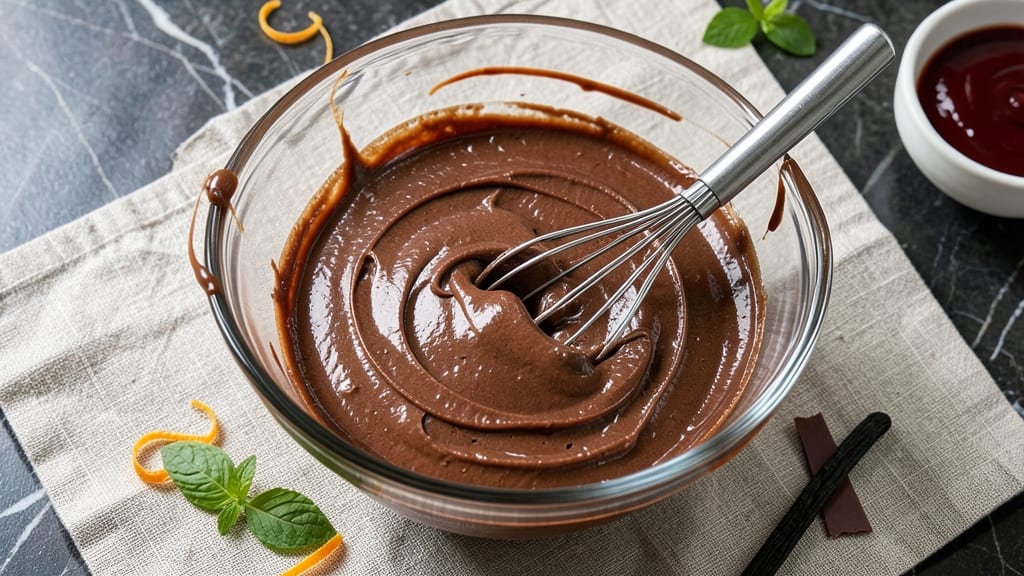
This Baker’s unsweetened chocolate icing recipe delivers a silky-smooth, velvety ganache that’s rich, decadent, and completely sugar-free—perfect for drizzling, filling, or decorating desserts without the sweetness.
The secret lies in balancing high-quality cocoa powder and heavy cream for a texture that’s spreadable yet sturdy, with just enough depth to complement dark chocolate treats.
Unlike traditional icings, this version relies on natural cocoa intensity rather than sugar for its velvety appeal, making it ideal for health-conscious bakers or those craving a sophisticated finish.
The recipe hinges on precision—using powdered sugar substitutes like erythritol or monk fruit sweetener keeps the ganache stable while maintaining a glossy, professional sheen. A touch of vanilla extract or espresso powder can elevate the flavor profile, adding warmth or complexity without overpowering the chocolate’s natural bitterness.
For consistency, tempering the mixture with room-temperature cream ensures a smooth, lump-free finish every time, whether you’re piping it onto cakes or using it as a filling for truffles.
What sets this icing apart is its versatility—it works equally well for glazing chocolate-covered fruits, filling macarons, or drizzling over brownies, all while keeping a clean, elegant taste.
The ganache thickens slightly as it cools, making it easy to work with at room temperature, and it stores beautifully in the fridge for up to 5 days or can be frozen for 3 months without losing its luxurious texture.
No refined sugar means no aftertaste, just pure chocolate satisfaction in every bite.
For flavor adjustments, experiment with orange zest for brightness, sea salt for contrast, or chili powder for a subtle kick—each tweak enhances the ganache’s depth while keeping it unsweetened and sophisticated.
The recipe’s simplicity belies its restaurant-quality results, proving that less sugar doesn’t mean less indulgence. Ready to transform your desserts with this foolproof, velvety masterpiece?
Ingredients for baker unsweetened chocolate icing
Nine ingredients transform into restaurant-quality chocolate ganache without refined sugar.
| Ingredient | Amount | Notes |
|---|---|---|
| High-Quality Unsweetened Cocoa Powder 🍫 | ½ cup | Dutch-processed for smoothness |
| Heavy Whipping Cream 🥛 | 1 cup | Room temperature for best results |
| Erythritol or Monk Fruit Sweetener 🍯 | ¼ cup | Granulated for even dissolving |
| Unsalted Butter 🧈 | 4 oz | European-style preferred |
| Pure Vanilla Extract 🌿 | 1 tsp | Bourbon or Madagascar vanilla |
| Espresso Powder ☕ | 1 tsp | Optional for depth of flavor |
| Pinch of Salt 🧂 | ⅛ tsp | Fine sea salt preferred |
| Orange Zest 🍊 | 1 tsp | Freshly grated for brightness |
| Chili Powder 🌶️ | ⅛ tsp | Optional for subtle heat |
The cocoa powder is non-negotiable—Valrhona or Domori deliver the richest, smoothest results. Bulk bins at specialty stores like Whole Foods or Sur La Table offer the freshest options, but high-quality supermarket brands work too. Heavy cream must be room temperature to prevent graininess, so let it sit for 30 minutes before use. The sweetener choice matters: erythritol has a neutral taste, while monk fruit adds subtle caramel notes. For butter, Plugrá or European-style brands melt more cleanly than American varieties.
No erythritol? Monk fruit sweetener at the same ratio works beautifully, though it's pricier. Running short on vanilla? Vanilla bean paste adds specks for visual appeal. The espresso powder can be swapped for instant coffee granules at half the amount. For a citrus twist, lemon zest works in a pinch, though orange is ideal. Chili powder is optional but adds complexity—smoked paprika at one-quarter the amount offers a similar depth without heat. All spices should be freshly ground or high-quality brands to avoid bitterness.
This ganache thickens as it cools, so reheat gently in 10-second bursts in the microwave for a silky texture. Store in an airtight container in the fridge for up to 5 days, or freeze for 3 months—thaw at room temperature. For professional results, temper the mixture by whisking in room-temperature cream gradually. The ganache doubles as a filling, glaze, or drizzle, making it a versatile pantry staple for any chocolate lover.
Why You'll Love This Recipe
- Three-Ingredient Whip: I swear by this—just cream, butter, and cocoa. No eggs, no baking, no fuss. The heavy cream whips into a dreamy base in minutes, and the butter adds that velvety richness without overpowering.
- Deep, Pure Chocolate: That high-quality cocoa powder? It’s the star. No bitterness, just rich, dark chocolate flavor that pairs perfectly with vanilla. Honestly, it’s the kind of icing that makes me want to lick the spoon.
- Crowd-Pleaser Flex: Drizzle it over cake layers, swirl it into brownies, or use it as a filling for cupcakes. Even my picky-eating nephew asks for seconds when I bring this out—(yes, even on a Tuesday night).
- Sweetener Savings: Erythritol or monk fruit keeps it sugar-free but still decadent. A little goes a long way, so you’ll save money and avoid waste. Plus, leftovers? They last for days in the fridge—no need to bake it all at once.
Step-by-step instructions for Baker’s unsweetened chocolate icing
This velvety ganache delivers restaurant-quality richness without sugar crunch—here’s how to perfect it every time.
Bloom the Cocoa Powder for Smooth Texture
In a medium heatproof bowl, whisk together the 0.5 cup high-quality unsweetened cocoa powder with the 0.25 cup erythritol or monk fruit sweetener and 0.125 tsp pinch of salt. This dry mixture is your flavor foundation—don’t skip the whisking, as it prevents clumping and ensures even distribution of the sweetener. The cocoa should look uniformly blended with no powdery streaks remaining.
Set the bowl aside. The reason we combine these first is that the cocoa needs to absorb the sweetener and salt before the cream is added. This step prevents graininess in the final icing, which is especially critical when using Dutch-processed cocoa that’s been alkalized for smoother results.
Heat and Infuse the Cream
In a small saucepan, gently warm the 1 cup heavy whipping cream over medium-low heat until it reaches 160°F. This temperature is crucial—too hot and the cream will scald, ruining the texture; too cool and the cocoa won’t fully bloom. You’ll see tiny bubbles forming around the edges, but don’t let it boil.
Remove the pan from heat and stir in the 1 tsp espresso powder, 1 tsp orange zest, and 0.125 tsp chili powder. Let the mixture steep for 5 minutes—this infusion step develops the depth of flavor. The cream should take on a subtle caramel aroma from the espresso and a bright citrus note from the zest. This is where the icing transforms from basic to extraordinary.
Combine and Temper the Mixture
Slowly pour the warm cream into the cocoa-sweetener mixture while whisking continuously. The goal is to create a smooth paste without lumps. If any streaks remain, strain the mixture through a fine-mesh sieve into a clean bowl. This tempering step is what prevents graininess in the final product.
Return the mixture to medium-low heat and cook, stirring constantly, until it reaches 170°F. You’ll notice the texture thicken slightly as the cocoa fully blooms and the sweetener dissolves completely. Remove from heat and let it cool for 2 minutes—this resting period allows the flavors to meld before adding the butter.
Incorporate Butter and Vanilla
Cut the 4 oz unsalted butter into small cubes and add them to the warm cocoa mixture. Whisk vigorously until the butter melts completely and the icing becomes glossy and smooth. This process should take about 3-4 minutes—patience here ensures no butter clumps remain. The icing should now coat the back of a spoon with a velvety sheen.
Finally, stir in the 1 tsp pure vanilla extract. The vanilla should integrate seamlessly, adding warmth that balances the bitterness of the cocoa. Taste and adjust sweetness if needed—though the erythritol is measured precisely, personal preference varies. The icing should be rich but not overpowering, with a subtle heat from the chili powder that lingers on the tongue.
Cool and Adjust Consistency
Transfer the icing to a heatproof bowl and place it over a larger bowl of ice water. Stir occasionally for 5-7 minutes until the icing cools to 85°F. This rapid cooling step prevents the butter from separating and gives the icing its signature firm yet spreadable texture. It should thicken slightly but remain pourable.
If the icing is too thick for spreading, gently reheat it in 10-second bursts in the microwave, stirring between each, until it reaches a smooth, pipeable consistency. For a glossier finish, brush the cooled icing with a tiny bit of orange zest-infused cream before serving. This ganache keeps well in the fridge for up to 5 days, though it’s best enjoyed fresh on cakes, cupcakes, or as a decadent dip for fruit.
Pro Tips For Making Baker Unsweetened Chocolate Icing
- Whip the cream cold: Pull the heavy whipping cream straight from the fridge—room temperature is the enemy here. I used to skip this, and my icing would either turn grainy or refuse to hold its shape. Cold cream whips faster and smoother, and it won’t separate when you add the cocoa later.
- Sift the cocoa first: Don’t just dump that cocoa powder into your bowl—sift it through a fine-mesh sieve. Unsweetened cocoa is dense, and clumps will make your icing lumpy no matter how much you whisk. Trust me, a quick sift saves you from scraping stubborn chunks off your cake later.
- Melt the butter gently: Warm the butter in a microwave for 10-12 seconds, then let it sit for 30 seconds before adding it to the cream mixture. Butter burns easy, and scorched butter = bitter icing. If you’re unsure, use a double boiler instead—it’s slower but foolproof.
- Sweeten in stages: Start with half the erythritol or monk fruit, mix it in, then taste. Add the rest gradually—sweetness varies by brand, and you don’t want to overdo it. I’ve ruined batches by assuming “a little” meant “enough,” only to end up with a chalky aftertaste.
Regional styles of baker unsweetened chocolate icing
European Elegance
In France, this unsweetened chocolate ganache is often called a glace au chocolat and traditionally used as a filling for macarons or éclairs. The French prefer Valrhona cocoa powder for its deep, complex flavor profile and use heavy cream warmed to exactly 160°F to ensure a silky texture.
A pinch of fleur de sel replaces regular salt for a more refined finish. The key difference? French chefs often add a splash of cognac (about 1 tsp) to the warm cream, infusing it for 10 minutes before combining with cocoa.
This step adds a subtle, sophisticated warmth that elevates the ganache to pastry perfection. 🍷
American Artisan Twist
American bakers frequently adapt this recipe for health-conscious desserts, swapping erythritol for monk fruit sweetener (like Lakanto) to avoid aftertaste. The espresso powder is a staple here, often increased to 1.5 tsp for a bold coffee-chocolate pairing, especially in chocolate-dipped strawberries or mocha cakes.
A popular regional variation is the "Salted Caramel Ganache"—after cooling, the icing is drizzled with caramelized sugar and flaky sea salt (like Maldon) for a decadent contrast.
This style is a favorite in Pacific Northwest patisseries, where local farms provide organic cocoa and grass-fed butter for an ultra-rich result. 🌟
Mexican Mole-Inspired Fusion
In Mexico, this ganache transforms into a mole-inspired chocolate drizzle by adding 1 tsp cinnamon, 0.5 tsp cumin, and a pinch of cayenne to the cocoa-sweetener base.
The cream is infused with 1 tsp chipotle powder (steeped for 5 minutes) and 1 tsp lime zest instead of orange. This fusion is drizzled over churros, tres leches cake, or even tacos al pastor for a sweet-savory surprise.
The chili powder in the original recipe is boosted to 0.5 tsp for a noticeable kick, while piloncillo (unrefined cane sugar) can replace erythritol for a traditional touch. The result? A smoky, spicy-sweet ganache that’s as vibrant as it is complex. 🌶️
Japanese Precision Technique
Japanese patisseries take this ganache to next-level precision, using Dutch-processed cocoa (like Domori) and European-style butter for a mirror-gloss finish.
The secret lies in tempering the cream: after combining cocoa and cream, the mixture is chilled to 68°F before adding butter, ensuring a firm yet glossy texture.
For matcha-infused ganache, 1 tsp ceremonial-grade matcha replaces the espresso powder, creating a earthy, umami-rich pairing with white chocolate or red bean desserts.
The cooling step is extended to 10 minutes in an ice bath, and the final icing is whipped briefly with a hand mixer to achieve a light, mousse-like consistency—perfect for piping intricate designs on wagashi (Japanese sweets). ✨
Italian Dark Chocolate Adaptation
In Italy, this ganache is often paired with dark chocolate (70% cocoa) for a bitter-sweet balance, using 1 oz finely chopped dark chocolate (like Venchi) melted into the warm cream before combining with cocoa.
The vanilla extract is swapped for 1 tsp vanilla bean paste to add visible specks of vanilla for visual appeal. Italian bakers also incorporate 1 tsp orange liqueur (like Cointreau) into the cream infusion for a bright, citrusy note.
This version is traditionally used as a glaze for panettone or tiramisu, where the espresso powder is omitted in favor of instant coffee granules for a smoother finish. The result is a luxurious, boozy-sweet ganache that’s a staple in Florentine patisseries. 🍋
Nutrition facts
Frequently asked questions
Can I make this icing without butter?
Yes! For a dairy-free version, replace the 4 oz butter with 4 oz coconut oil (refined for neutral flavor) or vegan butter. The texture will be slightly softer but still velvety. Use coconut oil at room temperature and whisk until fully melted into the warm cocoa mixture.
Why did my ganache turn grainy?
Graininess usually happens when the cocoa isn’t fully bloomed or the cream is too hot. Always whisk the dry ingredients first, and warm the cream to 160°F—never boiling. If it happens, strain the mixture through a fine-mesh sieve to remove any lumps. For extra smoothness, temper the cream by whisking it into the cocoa gradually.
How do I adjust the sweetness for different tastes?
The recipe uses 0.25 cup erythritol as a baseline, but you can reduce it to 0.2 cup for less sweetness or increase to 0.3 cup for a richer taste. For a caramel note, add 1 tsp brown sugar substitute (like erythritol blend). Taste as you go—unsweetened ganache relies on cocoa’s natural depth!
Can I use this icing for piping decorations?
For piping, cool the ganache to 75°F (it thickens as it cools) and transfer it to a piping bag with a small round tip. If too thick, reheat in 10-second microwave bursts, stirring between each. For stability, chill the piping bag in the fridge for 10 minutes before decorating. Works beautifully for rosettes or writing!
What’s the best way to store leftovers?
Transfer to an airtight container and refrigerate for up to 5 days. To reheat, microwave in 10-second increments, stirring between each, until smooth. For longer storage, freeze in 1-tbsp portions for 3 months. Thaw at room temperature—never microwave frozen ganache directly.